Lebanon PM Warns of “Humanitarian Disaster” Amid Intensified Israeli Strikes
Lebanon's Prime Minister Najib Mikati has warned of an impending "humanitarian disaster" as Israel intensifies strikes on Hezbollah targets in Beirut and southern Lebanon. Mass displacement is occurring, with tens of thousands fleeing their homes amidst rising casualties and concerns over international law.

Lebanon Faces “Humanitarian Disaster” as Israel Intensifies Strikes
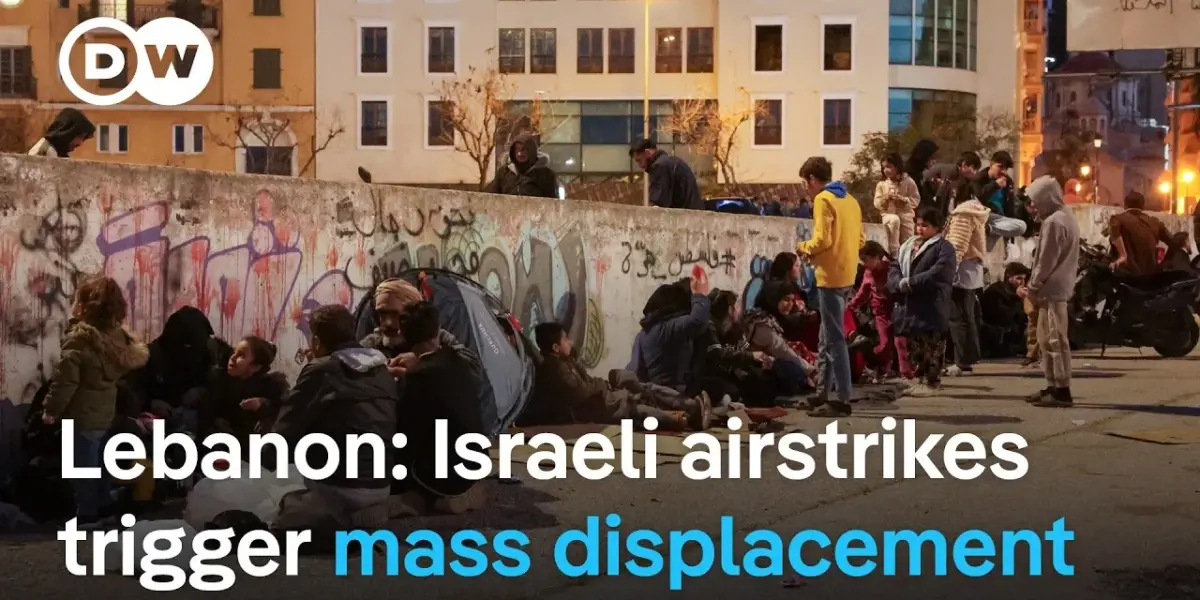
Beirut, Lebanon – Lebanese Prime Minister Najib Mikati has issued a stark warning of an impending “humanitarian disaster” as Israel escalates its military operations against Hezbollah, with significant strikes targeting both southern Lebanon and the densely populated southern suburbs of the capital, Beirut. The ongoing offensive has triggered widespread displacement, leaving tens of thousands of Lebanese fleeing their homes with limited options for safety and shelter.
Mass Displacement and Mounting Casualties
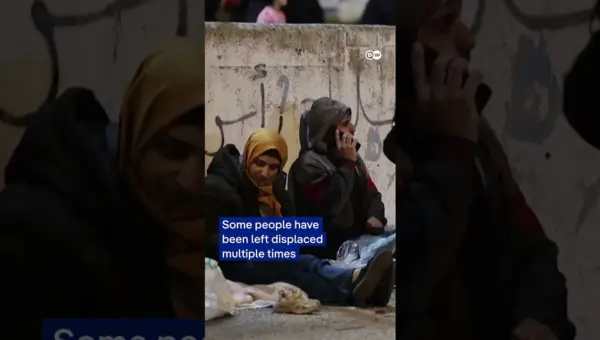
The Lebanese Ministry of Health reported that over 120 people have lost their lives this week alone due to the intensified Israeli strikes. Many civilians are being forced to abandon their homes, seeking refuge from the relentless bombings. The Israeli army has issued large-scale evacuation orders, particularly for southern Lebanon and the southern suburbs of Beirut, a region considered a stronghold for Hezbollah, Iran’s proxy force. These orders have sown panic and chaos throughout the capital, with temporary shelters struggling to accommodate the influx of displaced persons. Many find themselves sleeping on the streets or beaches, their futures uncertain.
One displaced individual recounted the harrowing experience: “We’re sleeping here in the streets. Some are sleeping in their car, some are sleeping on the street, some on the beach. We are homeless. I have 10 children. I don’t know where my children are. They’re displaced. I have four sons and six daughters. Only this girl is with me and my husband. I don’t know about the others.”
Israeli Military Operations and International Concerns
The Israeli Defense Forces (IDF) launched a fresh wave of attacks on Beirut on Thursday and Friday, stating that they targeted Hezbollah headquarters and ten high-rise buildings used for military infrastructure. Concurrently, attacks are ongoing in southern Lebanon, accompanied by mass displacement orders for residents living south of the Litani River, instructing them to move north. The United Nations has expressed grave concerns regarding these large-scale evacuation orders, noting their potential implications under international law.
A UN representative stated, “What’s happening inside Lebanon, as I said, extremely worried about it. In particular, the displacement orders that are almost blanket displacement orders. They have actually asked for civilians to move beyond the Litani river, which is, let’s not forget about 100 towns and villages that are affected as a result.”
Prime Minister Mikati’s Appeal to the International Community
Addressing an assembly of international diplomats in Beirut, Prime Minister Mikati emphasized that Lebanon is being drawn into a conflict it did not initiate. “This situation is grave and our responsibility is high,” he declared. “The consequences of this displacement at the humanitarian and political level may well be unprecedented. A humanitarian disaster is looming.” Prime Minister Mikati is appealing to the international community for urgent assistance to navigate the crisis and to help halt Israel’s attacks on Lebanese people and infrastructure.
Eyewitness Accounts from Beirut Bureau Chief
Muhammad Sha, Beirut Bureau Chief, shared his personal experience, highlighting the widespread fear and disruption. “Hundreds of families across Lebanon have been receiving calls from foreign numbers,” Sha reported. “The callers claimed to be affiliated with the Israeli military and ordered residents to evacuate their homes immediately, stating they were marked as targets.” Sha himself and his colleagues at DW also received such calls, necessitating temporary evacuation.
While a Lebanese security source indicated that these calls might be part of psychological warfare or even spam, they have undeniably fueled widespread frustration and panic. Hundreds of families have taken to the streets in Beirut, fearing imminent attacks. Sha noted the similarity to previous Israeli operations in Lebanon, stating, “Much of what we are witnessing now we already saw. It resembles what we saw during the last major confrontation in 2006. Displacement, massive destruction, anxiety, sleepless nights for hundreds of thousands of Lebanese.”
Shifting Political Landscape and Public Blame
However, Sha pointed out a significant difference this time: the political context within Lebanon. Unlike in 2006, when the government was aligned with Hezbollah, the current Lebanese government, while including Hezbollah ministers, is largely opposed to the group and advocates for its disarmament. This shift in political alignment has led to what Sha describes as “unprecedented fury at Hezbollah here in Lebanon from the majority of the Lebanese who blame Hezbollah for dragging the country into a conflict against their will.” Many Lebanese perceive this conflict as not their own, especially as the country has yet to fully recover from the devastating 2006 war.
Strained Resources and Humanitarian Crisis
The Lebanese government acknowledges its preparations for emergencies but faces severe limitations due to the country’s ongoing deep economic crisis. Minister of Social Affairs reported that as many as 500,000 people have been internally displaced, requiring substantial resources and funding that the government currently lacks.
Despite efforts to open additional shelters and mobilize aid through organizations, the needs are immense. The situation’s trajectory heavily depends on developments on the ground and the duration of the confrontation between Hezbollah and Israel. Israel has signaled the possibility of a prolonged operation, adding to the pervasive sense of desperation and helplessness among the population, particularly those displaced from Beirut’s southern suburbs and southern towns.
Concerns Over Future and Buffer Zones
Residents displaced from southern towns express deep concern that they may not be able to return to their homes, especially following Israeli statements about establishing a buffer zone or a no-man’s-land on the Lebanese side of the border. As the confrontation between Hezbollah and Israel continues to widen and intensify, the international community watches with apprehension, hoping for a de-escalation to avert further humanitarian catastrophe.
Source: Lebanon's PM warns of looming 'humanitarian disaster' as Israel intensifies strikes on Beirut (YouTube)

Related Articles

US Weighs Iran Ground Troops Amid Escalating Strikes, Global Fallout
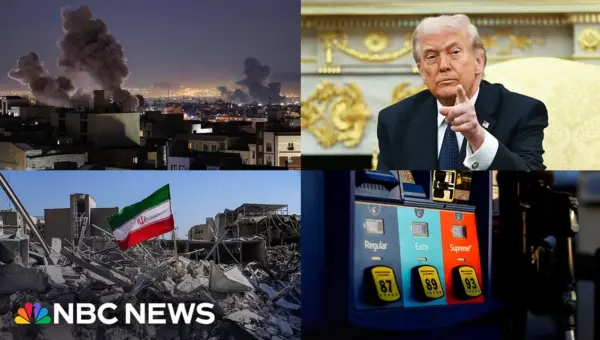
The U.S. is reportedly considering deploying ground troops to Iran amidst intensifying military strikes by U.S. and Israeli forces. The conflict has expanded to Lebanon, with clashes involving Hezbollah, and has triggered significant economic fallout, including soaring oil prices. Investigations are also underway into a strike on an Iranian school.
Israel Strikes Iran’s Nuclear Bunker: Video Released
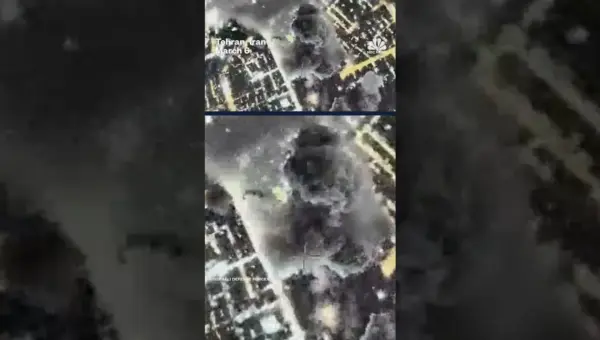
The Israel Defense Forces (IDF) have released video footage allegedly showing an airstrike on an underground bunker in Tehran, reportedly linked to Iran's Supreme Leader Ayatollah Ali Khamenei. This development escalates the ongoing shadow conflict between the two nations, with significant regional implications.
Israel Strikes Beirut Amid Escalating Lebanon Conflict
Israel has intensified its strikes on Beirut and issued unprecedented evacuation warnings for the city's southern suburbs as it expands its campaign against Hezbollah. This escalation raises significant concerns for civilian safety and regional stability, signaling a potentially broader conflict.