Lebanon Fractures as Israel-Hezbollah War Intensifies
Lebanon is experiencing devastating destruction and rising sectarian tensions as the Israel-Hezbollah war intensifies. While a fragile ceasefire has been announced, its impact on Lebanon remains uncertain, with Israel reportedly continuing strikes.

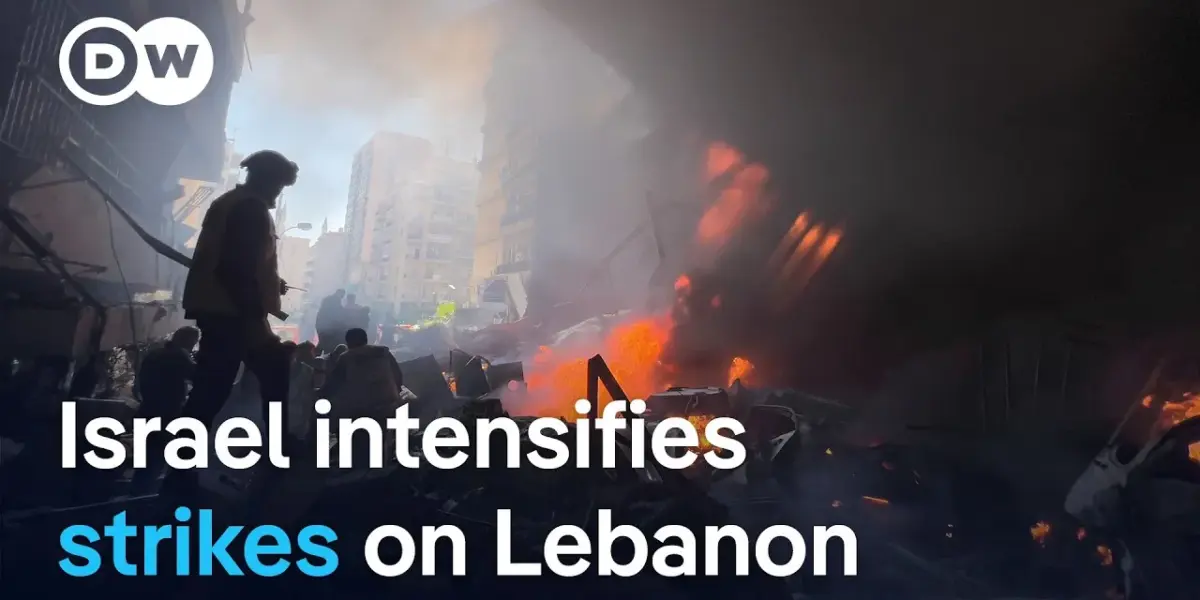
Lebanon Faces Deepening Divide Amidst Escalating Conflict
Beirut, Lebanon – The southern suburbs of Beirut, once a bustling hub for half a million people, now lie in ruins. This Shiite stronghold, known as Dahi, has been largely emptied following Israeli evacuation orders and relentless strikes. Scenes of destruction are overwhelming, painting an apocalyptic picture for residents forced to flee.
A few residents have returned briefly, attempting to salvage what little remains of their homes and lives. Reporting freely in Dahi is challenging, as journalists are often accompanied by Hezbollah members, and the threat of immediate strikes looms. Moments after a warning strike, smoke rose from a nearby building, signaling an imminent air raid. Soon after, another structure was hit, underscoring the daily reality of the conflict.
Contrasting Realities: From Devastation to Relative Calm
Just north of Beirut, the neighborhood of Juni presents a starkly different scene. This predominantly Christian area appears almost normal, a stark contrast to the devastation in Dahi. Residents express a universal desire for peace, stating that the war was imposed upon them.
“We were living peacefully. We just want to enjoy life, to go out and to reject war,” shared one resident. “That to us is real resistance. We oppose both sides. And we challenge them simply by being here and choosing peace over conflict.” This peaceful stance highlights a growing segment of the population seeking to distance themselves from the ongoing violence.
Sectarian Tensions Rise as Displacement Surges
Israel states its strikes target Hezbollah infrastructure, but predominantly Shiite neighborhoods have borne the brunt of the attacks. Over a million people, mostly from Lebanon’s Shiite communities, have been displaced. Families are sleeping in tents along sidewalks, their lives upended.
Samya and her mother are among those struggling. “Our life is a disaster,” Samya explained. “We go check our homes, then receive evacuation orders and leave again. After the strike, we return and leave once more.” Since early March, when Hezbollah launched rockets into Israel, this family has been sleeping on the street, relying on aid and volunteers for food.
Beneath the surface of solidarity, sectarian tensions are escalating. Amir, who fled Dahi with his three children and five cats, described facing mistrust and discrimination. “What’s most frustrating is when they ask where I’m from and how they react when I say I’m from the southern suburbs,” he said. “It’s disheartening to see this turn into a sectarian issue. Their fear is understandable, but at the same time, we all belong to the same country and should be more united.”
New Fronts Emerge and Safety Concerns Grow
In Sahal Alma, north of Beirut, debris from an intercepted Iranian missile fell, causing damage and panic. The incident highlighted the unpredictable nature of the conflict, with authorities unsure of the missile’s target or its interceptor. Many in this Christian district are critical of Hezbollah’s alliance with Iran and are growing frustrated with the presence of displaced Shiites.
“If they receive them, they’re going to be in danger,” noted one resident, explaining the fear of hosting displaced individuals. “So that’s why it’s creating a problem. Nobody wants them.” This fear, while understandable, is creating divisions and making it difficult for those fleeing to find safety.
Hazmi, a Christian area east of Beirut, has also been targeted by Israeli strikes, reportedly aimed at an Iranian Revolutionary Guard Corps member. Residents there are welcoming the displaced but are cautious. “We are welcoming the displaced into our homes and we are doing our best to facilitate their stay on the understanding that no one involved in the conflict is hiding among them so that we can keep both our community and the displaced people safe,” said one local. New security measures have been introduced, but unease persists among many residents.
Deepening Divisions and the Role of Iran
The conflict is undeniably deepening divisions within Lebanon. “Could we have avoided the war? Yes, we absolutely could have had we been patriotic enough,” lamented one resident. “If we had all been on the same page, if our decisions had truly been Lebanese. If we hadn’t been so divided.”
Despite her displacement, Samya remains supportive of Hezbollah. “If it weren’t for them, wouldn’t Israel be occupying Lebanon by now?” she questioned. “They’re defending Lebanon, not Iran. And even if they defend Iran, we stand with Iran. All Shiites are with Iran.” This sentiment highlights the complex loyalties and the strong backing Hezbollah receives from its Shiite supporters.
The war’s impact on Lebanese society is profound, raising critical questions about further fracturing along sectarian lines. Hezbollah’s confrontation with Israel was primarily in retaliation for the killing of Iran’s Supreme Leader Ali Khamenei. Israel has continued its strikes in Lebanon despite a ceasefire agreement that went into effect in November 2024.
A Fragile Ceasefire and Uncertain Future
A fragile, nascent ceasefire between Iran and the US/Israel offers a glimmer of hope. However, its impact on Lebanon remains unclear. “On papers we know that Lebanon is included in the twoe ceasefire agreement… but in practice Israel has intensified its strikes on Lebanon since last night,” reported DW’s Beirut bureau chief Muhammad Ree. Lebanese officials were not part of the negotiations, and Lebanon’s inclusion in the ceasefire appears to stem largely from Iranian demands.
Israel may be attempting to pressure Iran by suggesting Lebanon is excluded from the ceasefire. If Iran accepts the ceasefire, it could be seen as abandoning Hezbollah. If it rejects it, it plays into Israel’s hands. The situation on the ground remains highly uncertain, leaving Lebanon in a precarious position as the conflict continues to sow division and destruction.
Source: Will Iran ceasefire help stop Israel-Hezbollah war? | DW News (YouTube)

Related Articles


Hegseth Confronts Reporter on Iran Ceasefire Claims
A recent exchange saw Pete Hegseth challenge a reporter's question about Iran's alleged ceasefire. Hegseth expressed deep skepticism, suggesting Iran might be deceiving others if attacks continue. The incident highlights ongoing debates about verifying peace agreements in complex geopolitical situations.


Trump’s Iran Deal Collapses Amidst Escalating Violence
A supposed ceasefire agreement involving Iran, brokered with the apparent acceptance of Donald Trump, is rapidly unraveling. Just as quickly as it was announced, the deal is showing signs of failure, leading to renewed conflict and criticism. The situation highlights the complexities of international diplomacy and the challenges of achieving lasting peace in volatile regions.


US Claims Victory in Iran Conflict, Experts Skeptical
The U.S. has declared victory in its recent conflict with Iran following a two-week ceasefire, but experts question the true extent of this success. Key demands from Iran, including control over the Strait of Hormuz and the right to enrich uranium, remain major sticking points in potential negotiations. Despite the ceasefire, ongoing hostilities and Iran's continued influence raise doubts about lasting peace.