Lebanon Expels Iran’s Ambassador Amid Regional Tensions
Lebanon has expelled Iran's ambassador, demanding he leave the country by Sunday amid heightened regional tensions. This diplomatic move occurs as Israel reportedly targets Hezbollah strongholds in Lebanon and IRGC sites in Iran. The expulsion signals increased pressure on Iran and its allies.

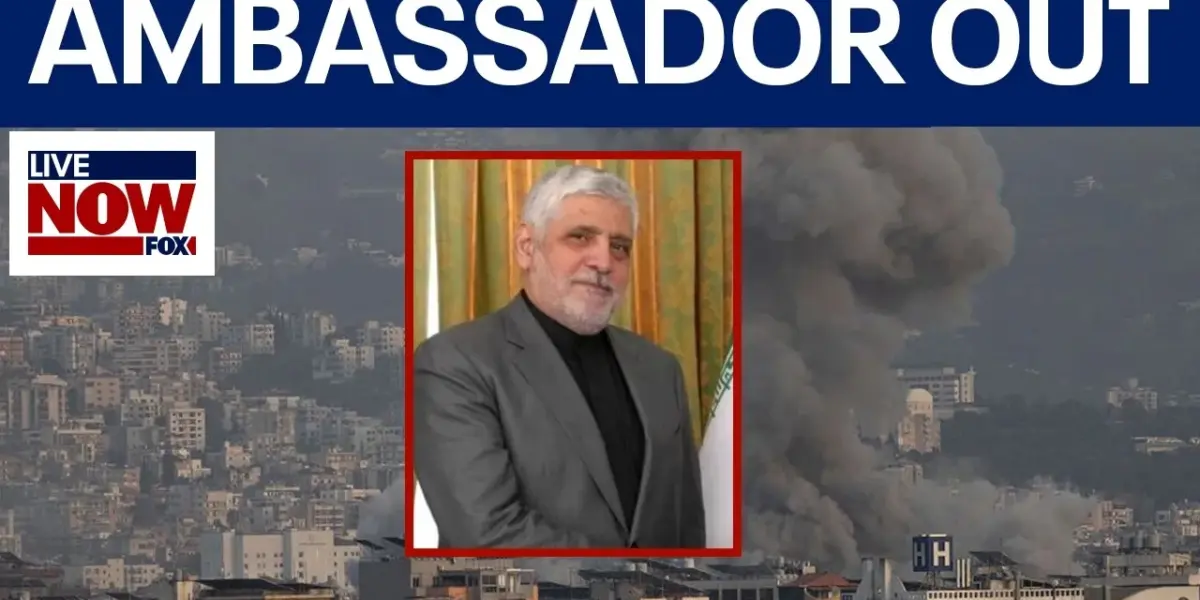
Lebanon Orders Iranian Ambassador to Leave
Lebanon has expelled Iran’s ambassador from Beirut, giving him until Sunday to leave the country. The Lebanese Ministry of Foreign Affairs and Immigrants announced the decision, instructing the Secretary General to inform the Iranian ambassador of the order to withdraw his agreement to remain in Lebanon.
This move comes as regional tensions escalate, with Israel reportedly targeting Iranian Revolutionary Guard Corps (IRGC) strongholds in Iran and the Iran-backed Hezbollah terror group in Lebanon. The expulsion signifies a significant diplomatic step by Lebanon amidst the ongoing conflict.
Deeper Ties and Diplomatic Signals
The relationship between Iran and Hezbollah is long-standing, with Iran playing a key role in the group’s creation in the early 1980s. While the Iranian ambassador in Lebanon may not have direct day-to-day influence over Hezbollah’s operations, his expulsion sends a clear message.
Experts suggest this action by Lebanon puts additional pressure on both Iran and Hezbollah. The situation is being closely watched to see how Iran will respond to this diplomatic move.
Escalation in the Region
The expulsion of the ambassador occurs during the fourth week of the conflict between Israel and Iran, which also involves several Gulf Arab states. Live footage from Beirut shows the ongoing situation, with reports of Israeli strikes against Hezbollah strongholds in the area.
These strikes are in addition to actions targeting IRGC strongholds within Iran. The Israeli military has stated that these operations continue with no end in sight.
The Path to Peace: A Difficult Question
The question of when and how the current conflict will end remains uncertain. While some, like former President Trump, have expressed optimism about a swift resolution and are reportedly working with Iranian officials on a deal, the reality on the ground suggests a more complex situation.
Military campaigns that began in late February were initially projected to last four to six weeks. However, Iran does not yet appear ready to surrender or enter negotiations. Despite having significantly reduced military capabilities compared to the start of the campaign, Iran still possesses ballistic missiles, drones, and cruise missiles, which it continues to employ.
Military Buildup and Defensive Capabilities
In the lead-up to February 28th and in the aftermath, there has been a notable buildup of U.S. military assets in the region. This includes the deployment of aircraft carrier strike groups, U.S. aircraft, and missile defense systems. Reports indicate the potential deployment of Marine Expeditionary units and elements of the 82nd Airborne Division, suggesting a readiness for ground operations, though their actual use remains an open question.
Regarding missile defense, systems in Israel and Gulf countries have proven highly effective, intercepting an estimated 95-99% of incoming cruise missiles and drones. However, the sheer volume of Iranian weaponry means that some projectiles, particularly drones which fly lower and slower than ballistic missiles, can still penetrate defenses.
The Human Cost of Conflict
Despite advanced defense systems, the conflict has resulted in casualties and physical destruction. Reports indicate that a 100-kilogram warhead was used in a strike on Tel Aviv, causing significant damage to a residential area. Similar attacks have hit businesses and other residential zones.
The effectiveness of missile defense, while high, is challenged by the continuous barrage of weapons. The ongoing strikes underscore the persistent threat and the difficult decisions faced by both military strategists and civilian populations in the region.
Looking Ahead
As the situation evolves, the world watches to see how Iran will respond to Lebanon’s diplomatic action and how the military operations will progress. The involvement of multiple regional and international players suggests that the path to de-escalation and lasting peace will be challenging and multifaceted.
Source: Lebanon kicks Iran's ambassador out of Beirut (YouTube)

Related Articles
Iran-Backed Houthis Strike Israel, Escalating Regional Tensions
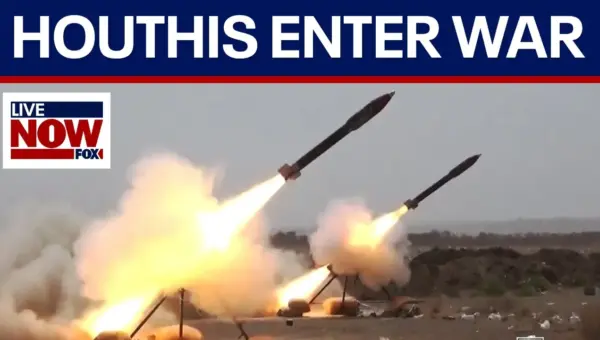
Iran-backed Houthi rebels have launched a missile attack targeting Israel, marking their first such strike since the current Middle East conflict began. The Israeli military confirmed the interception of the projectile. Analysts view this action as part of Iran's broader regional strategy, highlighting the regime's reliance on proxy forces amid internal weaknesses.


Trump’s War Talk Distracts as World Burns
As global conflicts escalate and economic pressures mount, Donald Trump's focus on past grievances and symbolic wins overshadows pressing issues. His rhetoric, including questionable claims about ending wars and strategic use of terminology to bypass Congress, raises concerns about leadership and national priorities.


Iran Extends Strait of Hormuz Deadline Amid Global Oil Tensions
The U.S. has granted Iran a 10-day extension to reopen the Strait of Hormuz, a critical global oil route. This move comes amid complex negotiations, military actions, and concerns over Iran's strategic leverage and resilience. Lawmakers express frustration over the lack of a clear strategy and potential escalation.