Lebanon Cancels US Peace Talks Amid Hezbollah Threats
Lebanon's Prime Minister has canceled his planned peace talks with the U.S. and Israel in Washington D.C. amid internal circumstances and threats from Hezbollah. Meanwhile, high-level U.S.-Iran negotiations are underway in Pakistan, with Vice President JD Vance leading the American delegation.

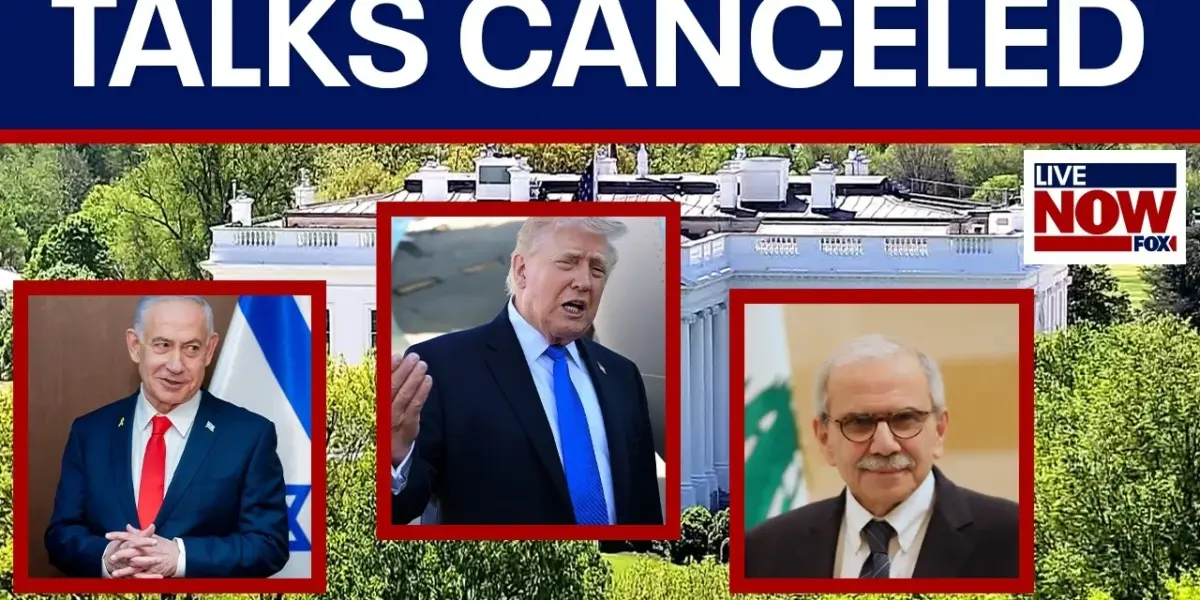
Lebanon Postpones Crucial Peace Talks with US and Israel
Lebanon’s Prime Minister has announced the cancellation of his upcoming trip to Washington D.C. for peace talks with Israel. The meeting, scheduled for next week, was intended to discuss an end to Israeli strikes on Lebanon. This sudden postponement, revealed through a social media post, cites “current internal circumstances” and the Prime Minister’s commitment to safeguarding Lebanese security and unity. The decision means no peace talks are expected between Israel and Lebanon in Washington next week, a significant development in the ongoing regional tensions.
Hezbollah’s Influence and Internal Threats
The cancellation comes shortly after Hezbollah issued what is being described as an “open threat” to the Lebanese Prime Minister and the government. This action highlights the powerful influence Hezbollah wields within Lebanon, a situation that has developed over decades with backing from Iran. Hezbollah, which began as a militia in the 1980s during the Lebanese Civil War, has grown significantly in strength and power. It has since integrated itself into the Lebanese government, even becoming a political party operating in Parliament.
During the recent Israel-Hamas War, Israel reportedly weakened Hezbollah and reduced Iranian influence in the region. This period offered the Lebanese government an opportunity to strengthen its own position. However, the recent threat from Hezbollah suggests its significant power within Lebanon remains intact. Experts believe this threat may have involved direct communication, warning of internal conflict if the government proceeded with the planned trip.
Context: Israel’s Operations and Hezbollah’s Role
It is important to understand that Israel’s current military actions are not targeting Lebanon as a whole. Instead, Israel is specifically targeting Hezbollah operatives within Lebanon. The Israeli Air Force has reported striking over 200 Hezbollah targets in the last 24 hours, aiming to thwart rocket fire towards Israeli civilians. This ongoing conflict is deeply connected to Iran’s broader agenda.
Iran’s Proxy: Hezbollah’s Deep Ties
Lebanese Hezbollah is considered the “crown jewel” of Iran’s proxy groups. Iran’s ultimate goal is the elimination of Israel as a state and the Jewish people. Hezbollah has been a key instrument in this effort for decades, receiving significant funding and advanced weaponry, including missiles, smuggled through Iraq and Syria into Lebanon. This support has enabled Hezbollah to grow substantially over the years.
A History of Conflict
The relationship between Israel and Hezbollah has a long history of conflict. A significant event occurred in 2006 when Hezbollah launched a surprise attack on northern Israel. At that time, Hezbollah had grown considerably in strength in southern Lebanon. Israel responded with a 34-day war, pushing Hezbollah back. An agreement was made to create a buffer zone, enforced by UN peacekeepers, but Hezbollah has continued to operate in southern Lebanon, particularly north of the Litani River, where they are supposed to be absent according to UN resolutions.
More recently, during the Israel-Hamas War, Hezbollah’s actions led to the evacuation of hundreds of thousands of Israeli citizens from their homes for nearly a year. Israel’s current objective is to push Hezbollah north of the Litani River, a goal that has not been achieved by the UN or the Lebanese Army. Hezbollah’s presence is widespread, with significant strongholds in the Beqaa Valley and throughout Beirut, making any direct confrontation a complex and difficult challenge for Israel.
US-Iran Talks Continue Amidst Regional Instability
While Lebanon cancels its talks, diplomatic efforts are ongoing elsewhere. High-stakes discussions between the United States and Iran are currently taking place in Islamabad, Pakistan. Vice President JD Vance is leading the U.S. delegation, signaling the seriousness with which the U.S. views these negotiations. The presence of the Vice President, the second-highest-ranking official in the U.S., underscores the importance of these talks aimed at finding a diplomatic solution to regional problems.
The U.S. is sending a direct voice from the President to engage with Iran, emphasizing a serious commitment to negotiations. However, a key question remains: who holds the ultimate decision-making power in Iran? While officials are engaging with representatives, it is unclear if they are speaking with the person who can enact binding decisions. This uncertainty adds a layer of complexity to the diplomatic process.
Adding to the regional instability, reports indicate that Iran’s new supreme leader, Mashaba Ham, is recovering from severe injuries sustained in a strike that killed his father. Mashaba, who took over as supreme leader at the start of the current conflict, has not been seen publicly since the incident. This situation raises further questions about the leadership and stability within Iran.
Looking Ahead
The cancellation of the Lebanon-Israel talks and the ongoing U.S.-Iran discussions highlight the volatile nature of the Middle East. All eyes will be on whether diplomatic channels can de-escalate tensions, particularly concerning Hezbollah’s activities and Iran’s influence. The ability of leaders to make and implement decisions will be crucial in navigating these complex challenges.
Source: Lebanon cancels peace talks with US & Israel in Washington DC (YouTube)

Related Articles

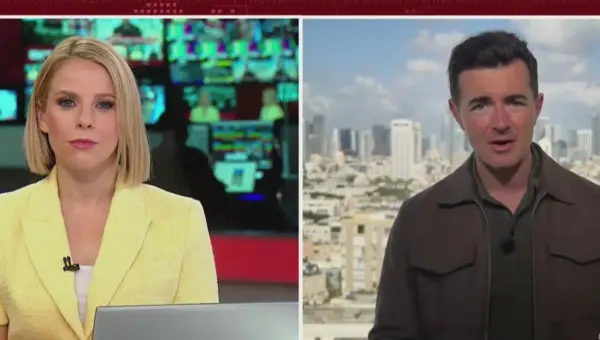
Iran Talks Stall Amid Lebanon Strikes, Strait of Hormuz Tensions
High-level U.S.-Iran talks are underway but face major hurdles, including ongoing Israeli strikes in Lebanon and lingering disputes over the Strait of Hormuz. Iran demands asset unfreezing and a Lebanon ceasefire, while the U.S. focuses on securing vital shipping lanes.
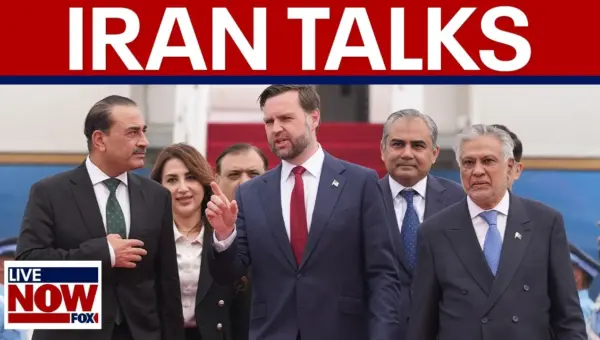
Vance Leads Peace Talks With Iran in Pakistan
Vice President JD Vance is leading a US delegation in Pakistan for crucial peace talks with Iran. The negotiations aim to de-escalate tensions following a period of heightened military activity. A key focus is the reopening of the Strait of Hormuz and preventing nuclear proliferation.

Lebanon-Israel Talks Spark Iran Tensions
Lebanon's request for direct peace talks with Israel, aimed at disarming Iran-backed Hezbollah, has intensified regional tensions. Iran has warned against continued strikes, while the US prepares for separate negotiations with Tehran. The situation highlights the complex interplay of regional alliances, Iranian influence, and the pursuit of stability.