Lebanon Becomes New Iran War Front: Hezbollah, Israel Trade Deadly Strikes
Lebanon has become a new front in the Iran-Israel war following overnight Israeli strikes on Beirut and Hezbollah's retaliatory attacks. Dozens have been killed and thousands displaced as the conflict escalates, raising fears of a wider regional war.

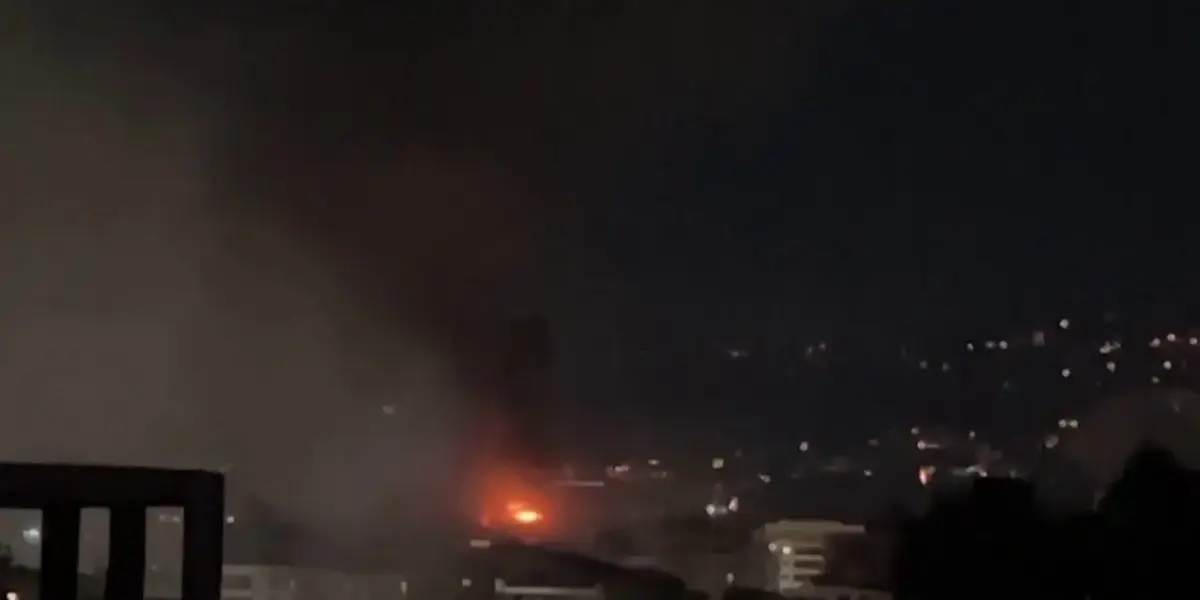
Lebanon Erupts as New Front in Iran-Israel Conflict
Beirut, Lebanon – Overnight explosions rocked the Lebanese capital, marking the most significant Israeli assault on Beirut since a 2024 ceasefire and signaling the opening of a new, volatile front in the escalating regional conflict involving Iran. The strikes, which occurred just hours after Hezbollah launched rockets and drones into northern Israel, have resulted in dozens of casualties and forced the evacuation of thousands of civilians from the southern Beirut suburb of Daraya, a known Hezbollah stronghold.
Hezbollah Retaliates, Escalating Regional Tensions
The initial volley from Hezbollah, which included rockets and drones targeting northern Israel, reportedly caused no casualties. However, the group stated these actions were a direct response to the assassination of Iran’s Ayatollah Ali Khamenei. This marks a significant shift, as Hezbollah, a powerful political and military entity backed by Iran, has now directly retaliated against Israeli actions within Lebanese territory, a move that has drawn sharp condemnation and a declaration from the Lebanese government that Hezbollah’s military activities are illegal. The practical enforcement of this ban, however, remains unclear.
A Wider ‘Axis of Terror’?
Hezbollah operates as one of several proxy groups in the region, all brought into the spotlight as Iran retaliates against perceived Israeli and U.S. aggression. Similar to Hamas in Gaza, which has been largely decimated, these groups are part of what Israel terms an ‘Axis of Terror.’ The Houthis in Yemen represent another such faction. While Hezbollah remains a formidable force, it is acknowledged to be less militarily potent than it was prior to the seven-month conflict that concluded with a ceasefire in late 2024. Despite this, Israel has continued its strikes in southern Lebanon, with its military indicating that a renewed ground invasion is a possibility.
Civilian Fears Mount Amidst Renewed Violence
For a population already deeply scarred by decades of conflict, the prospect of a new war is a terrifying reality. Many residents in Lebanon, particularly the most vulnerable, had desperately hoped to avoid being drawn into another devastating conflict. Obtaining on-camera testimonies proved difficult, as open criticism of Hezbollah in its strongholds carries inherent risks. Nevertheless, some residents shared their anxieties. While some voiced continued support for Hezbollah, they expressed strong reservations about the recent strikes against Israel, stating their weariness of perpetual warfare and displacement. Others articulated a profound sense of fear, with one resident expressing the sentiment, “Of course everyone is scared… People have started to wish they can live in peace alongside Israel.” This peace, however, remains elusive not only for Lebanon but for the entire region.
Challenges to Disarmament and Government Authority
In a live interview from Beirut, correspondent Daniele Hamamdijan addressed the complexities of the Lebanese government’s declaration against Hezbollah’s military activities. “How are they going to disarm? Force Hezbollah to disarm?” Hamamdijan questioned, highlighting the practical challenges. She explained that the notion of the Lebanese Armed Forces intervening is complicated by the deep sectarian divisions within the country, mirroring those within parliament. The Lebanese Army itself is divided along sectarian lines – Christian, Sunni, and Shia Muslim. Given that Hezbollah draws significant support from the Shia community, any attempt to enforce disarmament would face immense internal resistance and add another layer of complexity to an already volatile situation.
Uncertain Future for Lebanon and the Region
The recent escalation in Lebanon signifies a dangerous broadening of the conflict, turning the country into a critical new battleground. With Hezbollah and Israel exchanging heavy fire, and the Lebanese government struggling to assert its authority, the immediate future appears fraught with peril. The ongoing actions of proxy groups, fueled by regional rivalries, continue to destabilize the Middle East. The international community watches closely as the potential for a wider conflagration grows, with the civilian populations bearing the brunt of the violence and displacement.
Source: Lebanon emerges as new front in Iran war as Hezbollah trades strikes with Israel (YouTube)

Related Articles

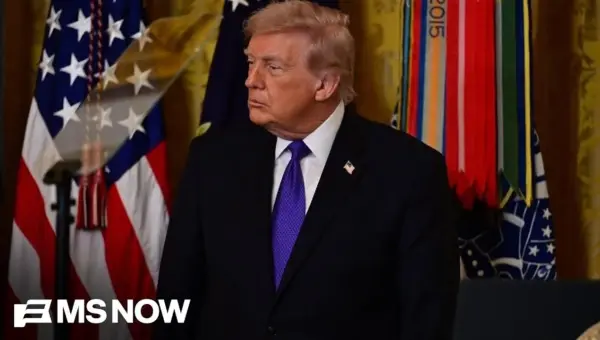
Ex-CIA Director Slams Trump’s Iran Conflict as ‘Senseless Loss of Life’
Former CIA Director John Brennan has strongly condemned the Trump administration's military actions against Iran, calling the conflict a "tragic, senseless, and needless loss of life." He warns of a repeat of the Iraq War's chaos and criticizes the administration's justifications and perceived Israeli influence.
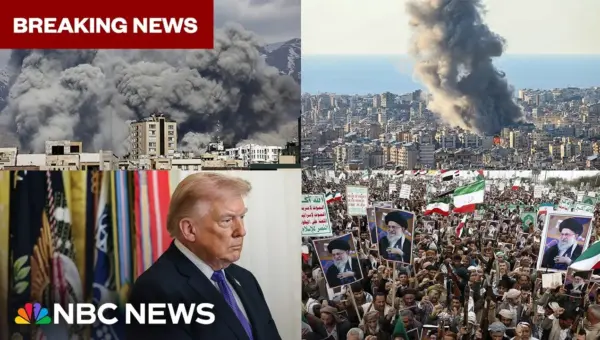
US, Israel Escalate War with Iran; Tehran Retaliates Across Region
The U.S. and Israel have launched a major offensive, 'Operation Epic Fury,' targeting Iran's military and leadership. Tehran has retaliated with strikes across the Middle East, escalating regional tensions and impacting global oil markets.

Trump’s Health Decline Fuels War Concerns Amidst Incoherence
Concerns over Donald Trump's health and cognitive state have intensified amid the escalating war with Iran. His recent public appearances, marked by observed physical ailments and incoherent discourse, have drawn criticism for their perceived disconnect from the gravity of the international conflict. The lack of clear justifications for the war further fuels public anxiety and demands for transparency.