Leavitt’s Draft Talk Ignites MAGA Fears of New Forever Wars
Karoline Leavitt's ambiguous stance on deploying troops in Iran and reinstating the military draft has ignited fears within the MAGA movement about a return to "forever wars." This analysis explores the historical context, political implications, and future outlook of such potential policy shifts.

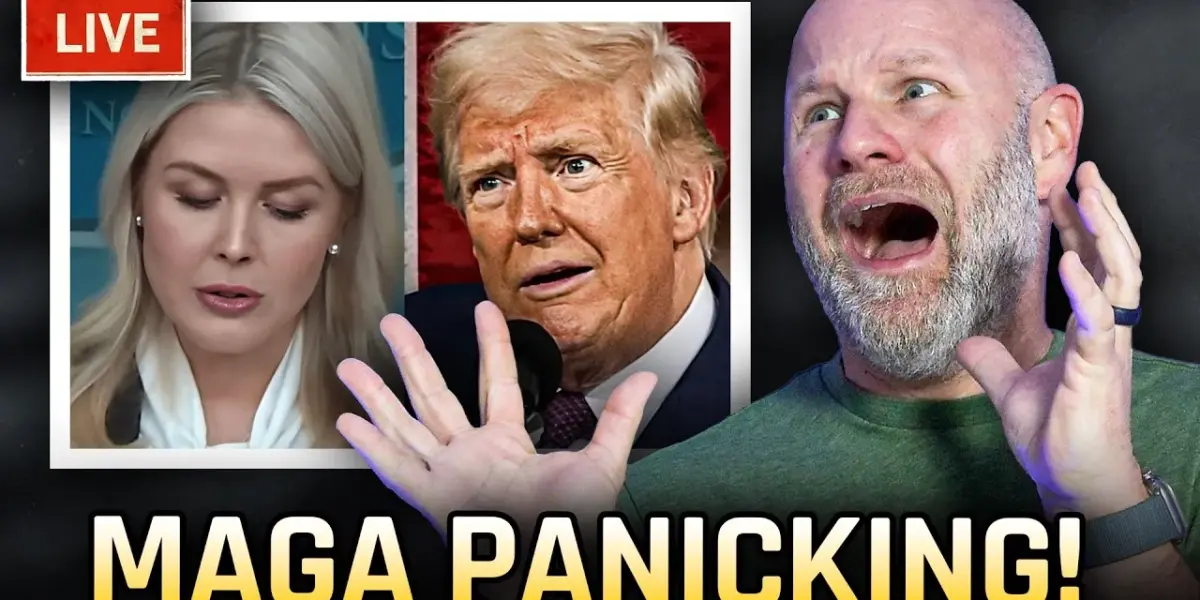
Leavitt’s Draft Talk Ignites MAGA Fears of New Forever Wars
A recent statement by Karoline Leavitt, a figure associated with the MAGA movement, has sent ripples of concern through the political landscape, particularly among those who identify with the Make America Great Again base. Leavitt’s refusal to definitively rule out the possibility of deploying U.S. troops on the ground in Iran, and her equally ambiguous stance on potentially reinstating the military draft, has been interpreted by some as a sign of a deepening entanglement in foreign conflicts, potentially reminiscent of the “forever wars” that have defined recent American foreign policy.
The Unsettling Admission
The core of the controversy lies in Leavitt’s statements, which, as reported, did not provide a clear rejection of either scenario. This ambiguity, for critics, is particularly alarming given the current geopolitical climate. The potential for ground troops in Iran carries immense implications, not only for regional stability but also for the lives of American service members. Coupled with the specter of a revived military draft – a concept largely confined to historical memory for many Americans – the remarks have fueled anxieties about a potential escalation and a prolonged, costly military engagement.
Historical Context: The Shadow of Forever Wars
The term “forever war” gained prominence in the post-9/11 era, characterizing the protracted military engagements in Afghanistan and Iraq. These conflicts, initiated with specific objectives, evolved into complex, open-ended interventions that spanned decades, incurred significant human and financial costs, and ultimately left many questioning their purpose and efficacy. The current administration, under Donald Trump, had previously campaigned on a platform of ending “endless wars” and bringing troops home. Leavitt’s recent comments, therefore, are seen by some as a stark contradiction to that stated foreign policy aim, raising questions about the direction and commitment to such principles.
The history of the military draft in the United States is also a sensitive one. Instituted during times of major conflict, such as World War I, World War II, and the Vietnam War, it has a complex legacy. While it has been credited with mobilizing national resources for crucial wartime efforts, it has also been associated with significant social upheaval, protest, and a sense of national division. The idea of its return, even as a hypothetical, evokes strong reactions and memories of a different era of American involvement in global affairs.
Interpreting the MAGA Stance
For many within the MAGA movement, a core tenet has been a focus on “America First” policies, often interpreted as a desire for a less interventionist foreign policy and a prioritization of domestic issues. This has included a general skepticism towards prolonged military engagements abroad and a call for the withdrawal of troops from various theaters. Leavitt’s statements, therefore, have created a sense of “panic” or at least deep unease within segments of the base, as they appear to diverge from this established sentiment. It raises questions about whether this represents a shift in the movement’s core foreign policy ideals or a misunderstanding or miscommunication of its current objectives.
Conversely, some might argue that the potential for military action in Iran, or the consideration of a draft, could be framed within a national security context. Supporters might contend that these are difficult but necessary considerations in the face of evolving threats. The argument could be made that a strong military posture, even if it involves difficult choices, is essential for deterring aggression and protecting national interests. However, the lack of clarity and the potential for open-ended commitments are precisely what fuel the opposition’s concerns.
The “No Idea How to End” Critique
A central criticism leveled against the current foreign policy approach, as suggested by Leavitt’s comments, is the notion that the U.S. may be entering into conflicts without a clear exit strategy. The transcript explicitly states that Donald Trump has “gotten the US into another ‘forever war’ that he has no idea how to end – and doesn’t even know for certain why he’s doing it in the first place.” This is a potent accusation, suggesting a lack of strategic foresight and a potential for the nation to become mired in protracted conflicts without defined objectives or pathways to resolution. This critique echoes broader historical debates about the effectiveness and wisdom of American military interventions.
The challenge of extricating oneself from complex international entanglements is a recurring theme in U.S. foreign policy. The difficulty lies not only in achieving initial military objectives but also in managing the post-conflict landscape, fostering stability, and avoiding unintended consequences. Without clear goals and a well-defined plan for de-escalation and withdrawal, any military engagement risks becoming a quagmire.
Why This Matters
The implications of Leavitt’s statements extend far beyond a single political figure’s remarks. They touch upon fundamental questions about America’s role in the world, the nature of its military commitments, and the sacrifices expected of its citizens. If the U.S. is indeed contemplating ground operations in Iran or the potential for a draft, it signals a significant departure from recent policy trends and a potential return to a more interventionist and conscription-based military model. This has profound consequences for:
- National Security: The risks associated with direct military engagement in Iran are substantial, potentially leading to wider regional conflict and increased threats to American interests.
- Domestic Impact: The reintroduction of a military draft would have a direct and significant impact on American families and young people, raising issues of fairness, equity, and national unity.
- Foreign Policy Direction: Such actions could signal a shift away from a more restrained foreign policy and a renewed embrace of large-scale, potentially protracted military interventions.
- Political Discourse: The “panic” within the MAGA movement highlights a potential disconnect between the rhetoric of “America First” and the actions or considerations being discussed by figures within or associated with that political sphere.
Trends and Future Outlook
The current geopolitical landscape is fraught with tension, and the Middle East remains a volatile region. The possibility of increased U.S. military involvement, even if not explicitly confirmed, reflects the complex challenges of maintaining stability and deterring aggression in such an environment. The debate surrounding Leavitt’s comments underscores a broader tension within American foreign policy: the desire to project strength and protect national interests versus the reluctance to engage in costly, long-term military commitments.
The future outlook remains uncertain. However, the controversy generated by these statements serves as a critical moment for public discourse. It compels a closer examination of the rationale behind potential military actions, the clarity of strategic objectives, and the willingness of the nation to bear the potential costs, both in terms of human lives and national resources. The specter of “forever wars” and the return of the draft are potent reminders of the profound decisions that lie ahead in shaping America’s engagement with the world.
Source: Karoline Leavitt Causes MAGA Panic After Shocking Admission (YouTube)

Related Articles


GOP’s Crumbling Foundation: Party Switcher Signals Deeper Divide
Representative Kevin Mullin's switch to independent status signals deeper GOP fractures. Internal criticism from MAGA figures and public dissatisfaction with economic and foreign policy issues highlight a party struggling with its direction and leadership, potentially facing a crisis of confidence.

Senator Coons Slams Trump’s Iran War Strategy, Consults Putin More Than Congress
Senator Chris Coons has sharply criticized President Trump's handling of the Iran conflict, citing a lack of planning and alarming consultation patterns with Russia. Coons demands transparency on war costs and strategy before approving further funding.
Trump on War Deaths: ‘You Always Have Death’
Former President Donald Trump stated that "you always have death" when discussing conflicts during a press conference. The remark came after MS NOW's Mychael Schnell pressed him on the number of American casualties he would accept before a war ends.