Leaked Letter Alarms Beijing: A High-Stakes Challenge to Xi Jinping’s Military Authority
A leaked letter, purportedly from the son of high-ranking Chinese General Zhang Youxia, has sent ripples through Beijing's elite, challenging the legality of his alleged detention and implicitly warning President Xi Jinping. While its authenticity is debated, the letter's circulation within influential 'princeling' networks underscores deep-seated tensions within the military and political establishment, hinting at unprecedented resistance to Xi's authority.

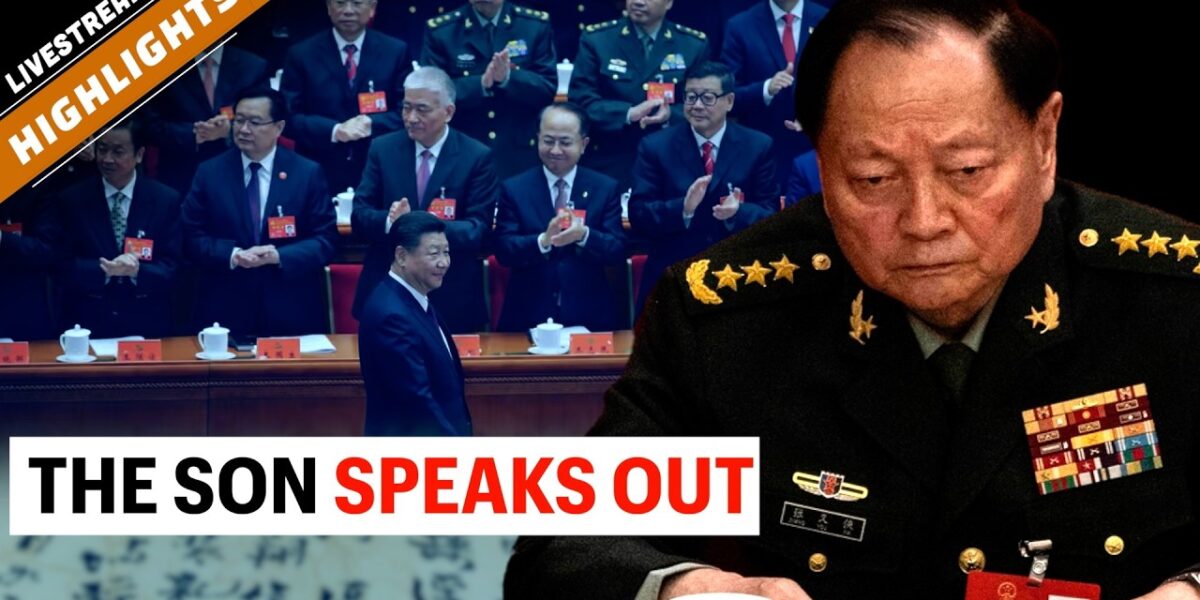
Leaked Letter Alarms Beijing: A High-Stakes Challenge to Xi Jinping’s Military Authority
Beijing is abuzz with speculation following the alleged leak of a highly unusual letter, purportedly penned by the son of a prominent Chinese general, Zhang Youxia. Circulating widely within elite ‘princeling’ networks and on social media, the letter serves as an extraordinary public warning, not only defending General Zhang against serious accusations but also implicitly challenging the legality of his alleged detention and, by extension, the authority of President Xi Jinping.
While the letter’s ultimate authenticity remains a subject of intense debate among observers, its mere existence and widespread circulation are seen as a significant indicator of deep-seated tensions within China’s political and military establishment. It presents a rare, thinly veiled confrontation, hinting at cracks in the façade of unified power under Xi Jinping.
The Alleged Letter: A Challenge to Authority
The document, attributed to Zhang Chengyu, General Zhang Youxia’s son, has been disseminated across various social media platforms and reportedly verified by contacts within Beijing’s influential ‘Red Princeling’ circles – descendants of revolutionary leaders. This internal circulation lends considerable weight to its perceived credibility, moving it beyond mere hearsay.
Written with a careful and polished tone, the letter meticulously lays out nine core points. The initial four points focus on a robust defense of General Zhang Youxia, directly refuting a series of accusations:
- Rejection of Political Wavering: It first refutes an editorial in the PLA Daily, the official newspaper of the People’s Liberation Army (PLA), which accused General Zhang of wavering in his political stance and betraying party beliefs.
- Denial of State Secrets Leak: The letter firmly denies charges that the general leaked state secrets or betrayed the country, dismissing such accusations with the proverb, "If you want to frame someone, you can always find an an excuse."
- Refutation of Corruption: It denies corruption allegations, asserting that General Zhang’s income derived solely from his regular salary and benefits, without any illicit gains, bribes, or gifts.
- Undermining Authority Claims: Finally, it denies claims that General Zhang Youxia undermined the system of the Central Military Commission (CMC) Chairman being in charge or opposed the top commander.
Unprecedented Detention and Legal Scrutiny
The latter half of the letter delves into far more sensitive territory, directly accusing a specific individual and outlining the circumstances of General Zhang’s alleged detention. It names Xi Jinping’s former chief of staff in military affairs as the instigator, accusing him of "stirring up trouble behind the scenes" and "misleading the top leadership into making wrong decisions," thereby leading to the current crisis.
Crucially, the letter details General Zhang’s alleged arrest: on January 20th, he reportedly attended the opening of a seminar at the Central Party School and was detained by special forces from the Ministry of Public Security (MPS) upon arrival. Since then, he has allegedly been held at an MPS interrogation facility. This detail is particularly alarming, given General Zhang Youxia’s stature as a Politburo member and Vice Chairman of the Central Military Commission (CMC) – one of the highest-ranking military officials in China.
The letter’s most critical emphasis is on the illegality of this arrest. It asserts that the MPS, a civilian police force, has no authority to arrest a top military general of Zhang’s rank. Such a case, it argues, should have gone through Politburo discussion, review by the National People’s Congress, and investigation by military discipline authorities. A direct police arrest, it claims, not only violates procedure but risks "dangerous chain reactions," calling it an "absurd joke that no one can accept." The family, it states, expects basic due process and demands that any investigation remain within a legal framework, free from illegal arrests or coercive interrogations.
The Undercurrents of Military Discontent
The letter further reveals that after General Zhang’s detention, many of his colleagues and subordinates contacted the family to express concern and support, stating that military morale had been "shaken." It delivers a stark, albeit restrained, warning: if authorities fail to handle the situation rationally, "there could be serious consequences." This veiled threat strongly suggests that General Zhang Youxia retains significant backing within the military, and any mishandling by Xi Jinping’s administration could lead to unpredictable outcomes.
The letter concludes with a direct and audacious demand: the immediate release of "the two innocent generals," referring to Zhang Youxia and General Liu Zhenli, another high-ranking general (Chief of the Joint Staff Department of the CMC) whose fate is also unclear.
A Calculated Maneuver: Real or Fabricated?
Analysts are intensely scrutinizing the letter’s authenticity and its underlying motives. While the speaker in the transcript suggests the son, Zhang Chengyu, a PLA colonel, likely did not write the letter alone, if at all, its polished tone and firm demands indicate powerful backing. It reads less like a subordinate pleading for mercy and more like a public negotiation between parties who believe they hold leverage.
The prevailing theory is that military factions opposed to Xi Jinping’s consolidation of power may have drafted the letter using Zhang Chengyu’s name. This strategy would allow Zhang Chengyu to deny authorship if pressured, protecting himself and potentially his father, while still allowing the message to circulate and exert pressure. Regardless of who physically penned the letter, its circulation within influential circles suggests its credibility is accepted by many, and its message resonates with those who wish to see it spread.
Behind the Scenes: A Power Struggle Unveiled
The incident, whether the letter is technically authentic or a strategically fabricated tool, shines a light on deeper political currents within China. General Zhang Youxia, a ‘princeling’ himself and a long-time ally of Xi Jinping, has been instrumental in Xi’s ambitious military reforms and anti-corruption purges. His alleged detention, if true, marks a significant shift, potentially indicating a new phase of Xi’s power consolidation or a backlash against it.
The strategic framing of the letter – focusing on legality, avoiding direct blame on Xi while targeting an aide, and emphasizing military discontent – is seen as a calculated move to put Xi Jinping on the defensive. It challenges the fundamental principle of the "gun obeying the Party" under Xi, hinting at a loss of full control over the military, a cornerstone of CCP rule.
Family’s Plea and Refusal to Yield
Further details, reportedly leaked through one of Zhang Chengyu’s friends to overseas influencers, paint a poignant picture of the family’s distress. Family members have repeatedly been denied visits to the interrogation facility where General Zhang is believed to be held. Zhang Chengyu reportedly conveyed their anguish: "There’s been no information at all. It’s like my father just vanished. Our whole family sits by the phone every day waiting for news, but nothing. My mother can’t sleep at night. She’s cried her eyes out."
Adding to the tension, a rumor is reportedly spreading within the military that authorities are attempting to pressure General Zhang Youxia into recording a confession video. Such a video would then be broadcast across the PLA and state media to "stabilize military morale and public opinion." However, General Zhang has reportedly flatly refused, with his son stating that his father "would rather break than bend." Zhang Chengyu has warned against believing any such video if it surfaces, asserting his father would never compromise his reputation.
Broader Implications for China’s Leadership
This unfolding drama carries profound implications for Xi Jinping’s leadership and the stability of China’s political landscape. The challenge to the legality of a top general’s arrest, especially by a civilian police force, undermines established norms and could set a dangerous precedent. It suggests that even the highest echelons of power are not immune to extra-legal measures, and that internal dissent, once strictly suppressed, might be finding new, albeit indirect, avenues of expression.
The incident serves as a stark reminder of the opaque nature of Chinese politics, where power struggles often play out behind closed doors, with whispers and leaked documents sometimes offering the only glimpse into the true state of affairs. As the alleged letter continues to circulate, it places significant pressure on Xi Jinping, compelling him to navigate a delicate balance between asserting his authority and managing potential fallout from a disgruntled military establishment. The outcome of this high-stakes standoff could reshape the contours of power within the Chinese Communist Party for years to come.
Source: Fake Letter or Real Warning? Why This Message Alarms Xi (YouTube)

Related Articles
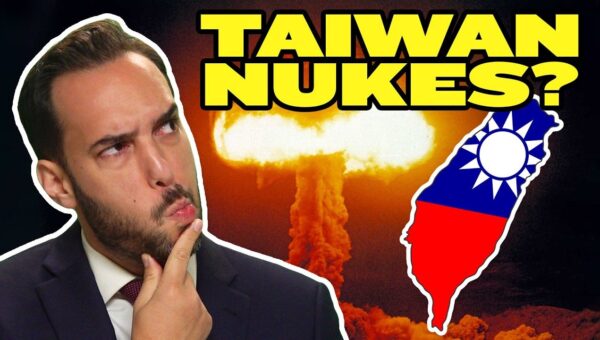
Taiwan’s Nuclear Dilemma: Deterrence or Disaster?
As China expands its nuclear arsenal and military presence, the question of whether Taiwan should possess nuclear weapons or host U.S. nuclear arms gains urgency. The debate weighs the potential for deterrence against the risks of escalation, drawing parallels to Ukraine's disarmament and Taiwan's own past nuclear ambitions.

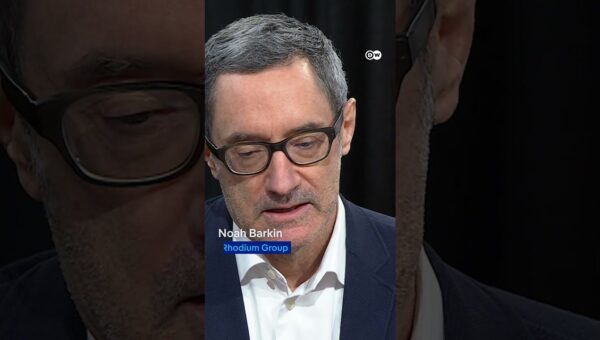
Germany Navigates Tricky US-China Balancing Act
Germany faces a complex geopolitical challenge, needing to balance its alliance with the US and its economic ties with China. Experts suggest a 'smart approach' focusing on diversification and strategic autonomy, rather than a forced choice, is the most viable path forward.
Iran Crisis Ripples to China, Reshaping Global Power Dynamics
A significant U.S.-Israel strike in Iran is sending shockwaves to China's leadership, raising concerns about oil dependence and geopolitical alignments. The crisis, occurring just weeks before President Trump's visit to Beijing, could reshape U.S.-China calculations and serve as a warning to authoritarian powers.