Lawyer’s Doubt on Native Birthright Citizenship Raises Alarms
A lawyer for former President Trump expressed doubt about Native Americans' birthright citizenship, sparking controversy. This stance questions a fundamental right and carries significant implications for tribal sovereignty and civil rights.

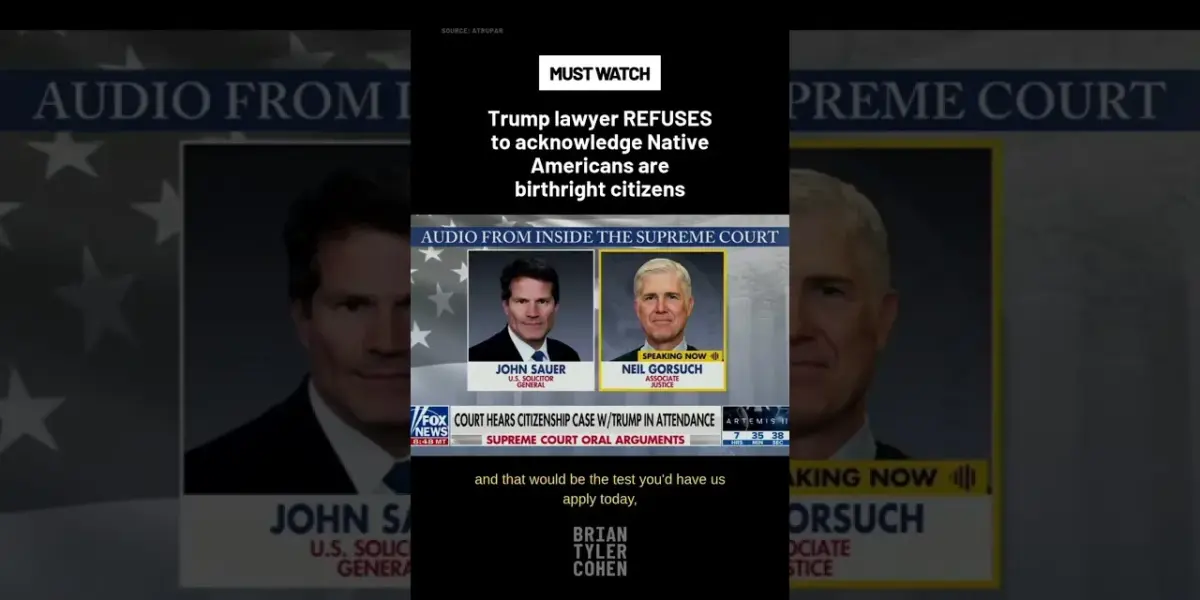
Trump Lawyer’s Stance on Native Citizenship Sparks Controversy
A recent exchange involving a lawyer for former President Trump has ignited a firestorm of debate regarding the birthright citizenship of Native Americans. When pressed on whether Native Americans are birthright citizens, the lawyer’s response was far from clear, suggesting a troubling uncertainty about a fundamental right.
A Question of Birthright
The core of the issue lies in the concept of birthright citizenship, often referred to as jus soli. This principle means that anyone born within the territory of a country is automatically a citizen. In the United States, this right is enshrined in the 14th Amendment.
During the conversation, the lawyer was asked directly if Native Americans are birthright citizens under a specific legal test. The initial response was hesitant, stating, “I think so.” However, when pushed to set aside statutory citizenship – meaning citizenship granted by laws passed by Congress – and focus solely on birthright, the lawyer’s position shifted.
“No, I think the clear understanding that everybody agrees in the congressional debates is that the children of tribal Indians are not birthright citizens,” the lawyer stated. This assertion directly contradicts the widely accepted understanding of birthright citizenship as applied to all individuals born in the U.S., including Native Americans.
Historical Context and Legal Understanding
Native Americans have a unique and complex relationship with U.S. citizenship. While treaties and statutes have granted them rights and protections over time, their status as citizens has evolved. The Indian Citizenship Act of 1924 granted full U.S. citizenship to all Native Americans born within the territorial limits of the United States.
However, the question of whether this statutory citizenship aligns with the principle of birthright citizenship, as understood by the 14th Amendment, has been a subject of discussion. The lawyer’s comments suggest a belief that Native Americans, particularly children of tribal Indians, might not qualify for birthright citizenship based on historical congressional debates. This interpretation implies that their citizenship might be solely a matter of legislative grant rather than an inherent right of birth.
The Lawyer’s Test and Its Implications
The lawyer referenced a test based on the “domicile of the parents.” When asked if this would be the test applied today, the lawyer affirmed, “Yes.” This test, if applied, would mean that a child’s citizenship could depend on where their parents are domiciled, or legally reside. The lawyer further elaborated that if a “tribal Indian” were to give up allegiance to their tribe and were lawfully domiciled in the U.S., their child would likely be considered a birthright citizen under this test.
However, when questioned further, the lawyer admitted, “I’m not sure. I have to think that through.” This admission highlights a significant level of uncertainty and potential misunderstanding regarding a critical aspect of citizenship law. The willingness to even entertain the idea that Native Americans might not be birthright citizens is deeply concerning to many legal scholars and tribal advocates.
Why This Matters
The implications of questioning Native American birthright citizenship are profound. Citizenship is not merely a legal status; it is tied to fundamental rights, including the right to vote, to hold office, and to participate fully in the democratic process. Any doubt cast upon this status can undermine the sovereignty and self-determination of Native American tribes and their members.
Furthermore, such statements can perpetuate harmful stereotypes and historical injustices. For centuries, Native Americans have fought for recognition of their rights and their place as sovereign peoples within the United States. Casting doubt on their fundamental citizenship rights risks reopening old wounds and undermining progress made in tribal-state relations.
Trends and Future Outlook
The legal status of Native Americans has been a continuous point of legal and political contention. While the Indian Citizenship Act of 1924 is widely understood to have granted full citizenship, the nuances of birthright versus statutory citizenship continue to be debated in various contexts. The lawyer’s comments, though possibly representing a fringe legal interpretation, reflect a potential undercurrent of skepticism that could be exploited.
Moving forward, it is crucial for legal and political figures to uphold and clearly articulate the principle of birthright citizenship for all individuals born in the United States, including Native Americans. Clarity and affirmation are essential to ensure that the rights and dignity of Native American communities are protected and respected. Any ambiguity on this matter serves only to create division and insecurity.
The exchange serves as a stark reminder of the need for continued vigilance in protecting fundamental civil rights. The legal and political discourse surrounding Native American rights is ongoing, and statements that question established principles require careful scrutiny and a strong, unified response to reaffirm the full and equal citizenship of all Native Americans.
Source: Trump lawyer REFUSES to acknowledge Native Americans are birthright citizens (YouTube)

Related Articles

GOP Lawmaker Demands ‘Aggressive’ AG Replacement
GOP lawmakers are divided over border security funding as one representative calls for a more "aggressive" Attorney General. The debate over funding and the upcoming replacement for AG Pam Bondi highlight internal party struggles. Meanwhile, concerns about birthright citizenship and FEMA's low disaster fund add to the political landscape.

Iran’s Regime Faces Pressure as US Focuses Inward
The U.S. faces a dual challenge: navigating complex foreign policy in Iran while grappling with deep domestic political divisions. The administration's strategy towards Iran is under scrutiny, with questions about its clarity and effectiveness. Simultaneously, the Supreme Court is hearing a pivotal case on birthright citizenship, potentially reshaping constitutional law.

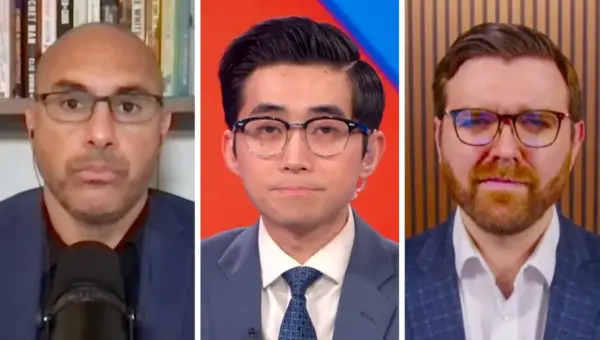
Birthright Citizenship: Is the 14th Amendment Outdated?
The 14th Amendment's guarantee of birthright citizenship is under intense debate. Panel guests discuss whether the long-standing interpretation is outdated and explore the practical challenges and historical context surrounding this core American principle.