Lawsuit Halts Trump White House Project, Sparks Outrage
A lawsuit has forced President Trump to halt construction on a White House ballroom, sparking outrage and accusations of "lawfare." The legal challenge is tied to a broader debate questioning the interpretation of birthright citizenship. Critics argue the suit lacks merit and targets the president with unprecedented scrutiny.

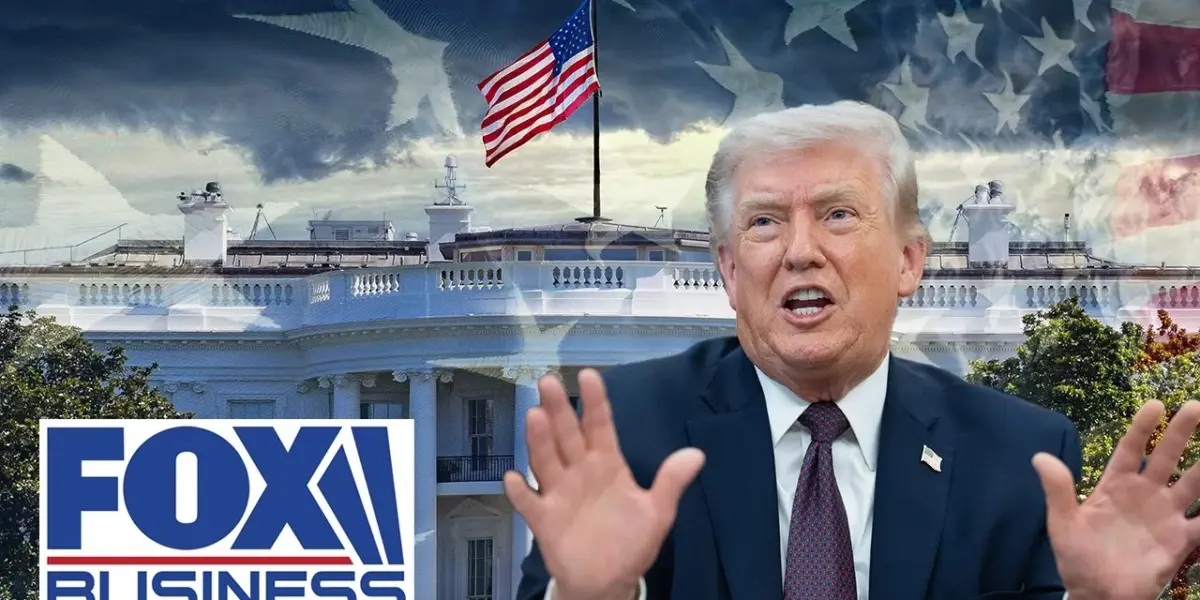
Court Blocks Trump White House Ballroom Construction Amid Legal Challenge
A legal battle has erupted, forcing President Trump to halt construction on a new White House ballroom. The decision, which could be finalized by June or July, has drawn sharp criticism, with some calling the lawsuit a “ludicrous joke.” America First Legal, represented by Jane Hamilton, is at the forefront of a legal argument against birthright citizenship, a concept central to the debate.
Challenging Birthright Citizenship
Hamilton argues that birthright citizenship, the automatic granting of citizenship to anyone born within a country’s borders, is not what the original framers of the 14th Amendment intended. “It is inconsistent with the text of the original intent of adopting the 14th Amendment,” she stated. The phrase “subject to the jurisdiction thereof” in the amendment, Hamilton believes, was meant to exclude certain individuals, not grant citizenship to everyone born in the U.S. She contends that if the drafters had intended for all born in America to be citizens, they would not have included that specific wording.
The current interpretation of birthright citizenship, according to Hamilton, has led to increased illegal immigration and “birth tourism” – a practice where individuals travel to a country solely to give birth and obtain citizenship for their child. She views this as a security risk to the American people, stemming from what she calls a “faulty interpretation” that has persisted until President Trump’s administration.
President’s Supreme Court Presence
President Trump’s attendance at the Supreme Court, observing arguments on a related issue, has been interpreted by some as an attempt to pressure the justices. However, Hamilton dismissed this notion. She explained that the President was present to listen to a historic moment and to emphasize the importance of the discussion about American citizenship to both the public and the court.
“The President’s presence is part of this conversation, emphasizing the importance of who we are, what we believe in and how significant it is to the future trajectory of the country,” Hamilton said. This public stance underscores the administration’s commitment to revisiting fundamental questions about national identity and citizenship.
The White House Construction Halt
The order to stop construction on the White House ballroom has been met with particular indignation. As a former White House Deputy Counsel, the legal reasoning behind the court’s intervention is being questioned. The organization behind the lawsuit, LawFair, is accused of fabricating a claim of “esthetic injury.” This claim suggests that historic preservation groups, even those without direct involvement with specific structures, have the legal right to halt the President’s work on the White House itself.
Critics argue that such lawsuits lack legal standing. Article 3 of the U.S. Constitution requires actual cases and controversies between specific parties. They contend that the National Historic Trust Association, for example, has no standing to bring this case because they have not suffered any actual harm. Allowing such challenges, critics say, would empower judges to dictate even minor decisions, like changing curtains in the White House, which they deem absurd.
Unprecedented Scrutiny
The question arises whether any other president has faced similar opposition. Hamilton believes President Trump is uniquely targeted. “No one has been subject to this type of lawfare, Trump derangement syndrome, radical activism like Donald Trump has,” she stated.
Despite the legal hurdles and what is perceived as politically motivated opposition, Hamilton expressed confidence in the President’s ability to overcome these challenges. “He has persevered, he will prevail, they will come out and succeed with this case because…” she concluded, implying a belief in the ultimate justice of their cause.
Market Impact
While this specific lawsuit concerns a White House construction project and a broader debate on citizenship, it reflects a pattern of legal challenges impacting the current administration. Investors often monitor political stability and the predictability of government actions. Frequent legal battles, especially those that halt executive actions or create uncertainty, can be viewed negatively by markets. Such disruptions can signal potential delays in policy implementation or increased regulatory risk, which might affect business confidence and investment decisions in the short term. The broader implications may depend on the outcome of the birthright citizenship debate and the precedent set by these types of legal challenges against presidential actions.
What Investors Should Know
For investors, this situation highlights the ongoing political and legal complexities surrounding the Trump administration. The “lawfare” described, where legal challenges are used to obstruct or delay government actions, can create an environment of uncertainty. While the direct financial impact of a White House ballroom construction halt is minimal, the underlying issues – such as immigration policy and the interpretation of constitutional amendments – have broader economic consequences. These can include effects on labor markets, consumer spending, and international trade. Investors should pay close attention to the legal rulings and the administration’s response, as they can influence regulatory environments and long-term economic policy.
Source: 'LUDICROUS JOKE': Lawsuit BLOCKING Trump’s White House plans sparks outrage (YouTube)

Related Articles

Zoe Lofgren: Bondi Firing a Win, But New AG Pick Raises Concerns
Congresswoman Zoe Lofgren celebrated Pam Bondi's firing, calling it a "good riddance," but expressed deep concern over potential replacements. Lofgren criticized several rumored candidates, including Todd Blanche, Lee Zeldin, Alina Haba, and Jeanine Pirro. She also questioned Senator Mike Lee's potential suitability for the role.


Trump’s Supreme Court Gamble Backfires Spectacularly
Donald Trump's strategy to influence the Supreme Court on birthright citizenship backfired. His personal appearance and subsequent social media comments met with skepticism from justices and legal experts alike. The incident highlights the importance of constitutional precedent and judicial independence.

Iran Conflict Escalates: US Strikes Intensify, Allies Divided
President Trump announced intensified US military strikes against Iran, aiming to achieve objectives within weeks while urging allies to secure the Strait of Hormuz. Domestically, plans are underway to pay DHS employees and bypass Democrats on immigration funding, while legal challenges loom over birthright citizenship.