Lawsuit Exposes Election Integrity Fears: Can Courts Act?
A DNC lawsuit seeks records on potential armed agent deployment at polls, challenging government stonewalling and judicial doctrines that often delay election integrity cases. The case highlights concerns over transparency and proactive legal intervention.


Lawsuit Exposes Election Integrity Fears: Can Courts Act?
A new lawsuit filed by the Democratic National Committee (DNC) is shining a spotlight on potential threats to election integrity, raising critical questions about governmental transparency and the judiciary’s role in safeguarding democratic processes. The DNC’s legal action seeks records from the Department of Defense, Department of Homeland Security, and the Department of Justice concerning any plans to deploy armed agents or soldiers to polling places, ballot boxes, or election facilities. The core of the complaint lies in the federal agencies’ alleged stonewalling of these requests, prompting the DNC to pursue legal action under open records laws.
The DNC’s Strategic Move
The lawsuit appears to be a strategic attempt to circumvent the long-standing legal hurdles of ‘ripeness’ and ‘mootness’ that often plague election litigation. As legal experts have pointed out, courts typically require a concrete event to have occurred before they can intervene (ripeness), but by the time such an event takes place on election day, it is often too late to rectify the harm (mootness). The DNC’s approach aims to uncover any existing planning or groundwork for the deployment of armed personnel, thereby establishing ‘standing’—the legal right to bring a case—before any such deployment actually occurs.
The rationale behind the lawsuit is simple yet profound: if federal agencies are not planning to deploy armed personnel to polling places, they should be able to state this clearly and provide records confirming their non-involvement. The refusal or delay in providing such records, the DNC argues, suggests that such plans might be under consideration, necessitating judicial review.
Legal Hurdles and Judicial Urgency
The path forward for this lawsuit is fraught with challenges. The primary concern is the potential for the Department of Justice, defending the agencies, to engage in extensive stonewalling, delaying tactics, and bureaucratic processes. This could effectively render the lawsuit moot by the time any records are disclosed, as the election may have already concluded or the actions in question may have already taken place.
The effectiveness of the lawsuit hinges on the speed at which the courts can process it. Legal analysts express concern that a protracted judicial process could mean that armed personnel might be visible at polling sites before any legal determination is made. The urgency of the matter requires judges to act swiftly, moving beyond the typical pace of litigation. This involves not only the DNC’s commitment to pushing the case forward but also the judiciary’s willingness to prioritize it over other pending matters. The demeanor and decision-making of individual judges will be crucial, as some may be more inclined to hold government agencies accountable for delays than others.
The ‘Presumption of Regularity’ and Procedural Blindness
A significant point of contention raised is the courts’ tendency to operate under a ‘presumption of regularity’ or ‘presumption of good faith’ when dealing with government agencies. This means judges may often defer to the representations made by government lawyers, assuming their actions and statements are lawful and well-intentioned. Critics argue that this procedural blindness prevents courts from acknowledging the realities of political contexts and potential machinations that may be readily apparent to the public.
The analogy is drawn to legacy media’s approach to certain political narratives, where a superficial adherence to established norms can lead to a collective suspension of disbelief—akin to ‘kayfabe’ in professional wrestling—where the manufactured reality is accepted despite widespread knowledge of its artificiality. This detachment from observable facts can lead to unearned legitimacy being conferred upon actions or institutions that may not warrant it.
In the context of election law, this can translate to judges accepting a government agency’s assertion of necessity without critical examination, even when public evidence or statements suggest otherwise. This approach, critics contend, is detrimental to democratic survival, as it allows political realities to be ignored in favor of procedural adherence.
Why This Matters
This lawsuit is more than just a legal filing; it’s a critical mechanism for testing the boundaries of governmental transparency and judicial responsiveness in an era of heightened political tension. The DNC’s action is an attempt to proactively address potential voter suppression tactics before they can be implemented, by leveraging open records laws to uncover evidence of planning.
The underlying concern is that the deployment of armed personnel at polling places could intimidate voters, disrupt the electoral process, and undermine public confidence in election outcomes. The government’s response—or lack thereof—to the DNC’s requests for information is being closely watched as an indicator of potential intentions.
Implications, Trends, and Future Outlook
The outcome of this lawsuit could set a significant precedent for how election-related challenges are handled in the future. If successful, it could empower other groups to use similar legal strategies to seek transparency regarding potential election interference. Conversely, if the lawsuit is bogged down by procedural delays or unfavorable judicial rulings, it could signal a challenging environment for proactive election protection efforts.
The trend towards increased politicization of electoral processes and the potential for governmental overreach are significant concerns. The DNC’s lawsuit highlights a growing awareness and organized effort to combat these trends through legal and informational channels. The involvement of organizations like Democracy Docket, which focuses on election law and voting rights, underscores the importance of dedicated legal advocacy and public awareness in these critical times.
Historical Context and Background
Concerns about voter suppression and election interference are not new in American history. Throughout different eras, various tactics have been employed to disenfranchise voters or manipulate election outcomes. In recent years, there has been a heightened focus on the legal battles surrounding voting rights, gerrymandering, and election administration. This lawsuit can be seen as part of a broader, ongoing struggle to ensure fair and accessible elections for all citizens.
The specific concern about armed personnel at polling sites echoes historical anxieties about intimidation and the militarization of the electoral process. The legal doctrines of ripeness and mootness, while standard legal principles, are being scrutinized for their adequacy in addressing contemporary threats that may develop rapidly and have significant consequences before they are legally actionable.
Ultimately, the effectiveness of this lawsuit will depend on the courts’ ability to look beyond procedural formalities and address the substantive concerns about the integrity of the electoral process. The public’s trust in democratic institutions is at stake, and the judiciary’s role in upholding that trust is paramount.
Source: BREAKING: MAJOR lawsuit ROCKS Trump White House (YouTube)

Related Articles

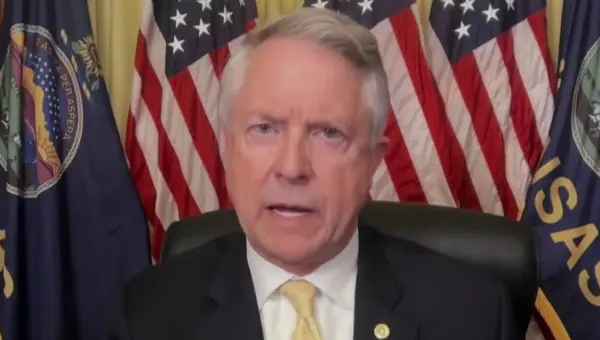
Senator: Trump Adheres to War Powers Act Amid Iran Conflict
Senator Roger Marshall stated that President Trump has followed the War Powers Act "to the letter" amid the ongoing conflict with Iran. He also discussed the inevitability of a supplemental military funding bill and the stalled Save America Act, emphasizing the importance of election integrity.
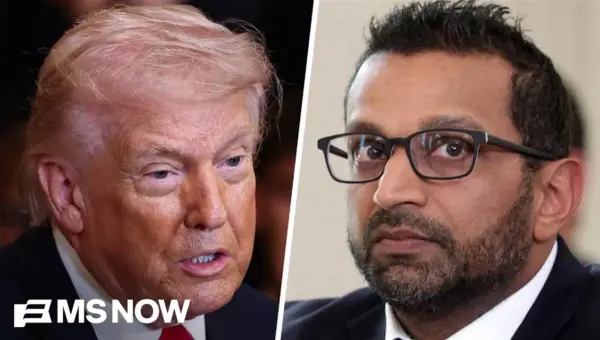
FBI Seizes 2020 Arizona Election Records Amid Fraud Claims
The FBI has seized 2020 election records from Maricopa County, Arizona, a move described as "befuddling" by former County Recorder Stephen Richer. Despite extensive past investigations yielding no evidence of fraud, the FBI's actions raise concerns about sowing distrust ahead of the midterms.
Utah Republicans’ Ballot Stunt Fuels Election Integrity Fears
Utah Republicans' last-minute legislative maneuver to invalidate signature revocations on ballot measures has sparked outrage and renewed concerns about election integrity. This move, part of a broader battle over redistricting, highlights aggressive tactics used to secure political advantage.