Lavrov’s Sanctions Shift: Russia Abandons Ally Amidst Global Tensions
Russian Foreign Minister Sergey Lavrov announced Russia will not impose sanctions on the U.S. amid escalating Middle East tensions. This comes as a drone attack targets the Saudi embassy in Iran, prompting a U.S. pledge for swift retaliation. The geopolitical landscape is further complicated by evidence of Russian components in Iranian drones and concerns over European disunity.

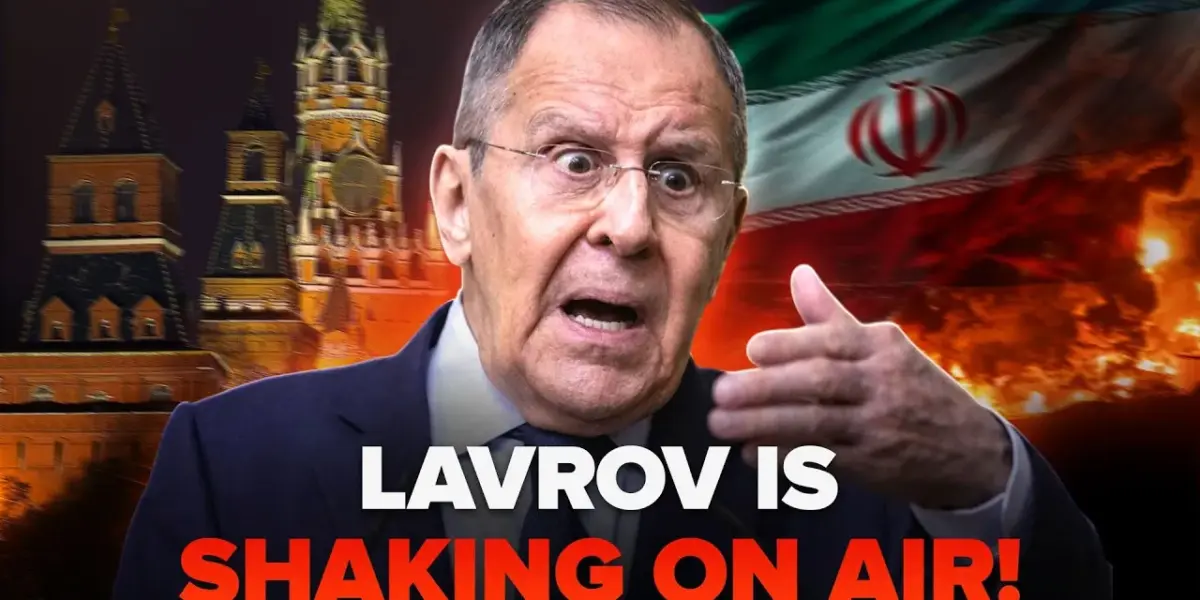
Lavrov Signals Shift: Russia Won’t Sanction U.S. Amid Iran Conflict
In a significant departure from its previous stance, Russian Foreign Minister Sergey Lavrov has announced that Russia will not impose unilateral sanctions against the United States, even as tensions escalate in the Middle East. This statement, delivered amidst a backdrop of drone attacks and international diplomatic maneuvering, suggests a potential recalibration of Russia’s foreign policy and its relationship with its erstwhile allies, particularly Iran.
Drone Attack on Saudi Embassy Signals Escalation
The declaration comes shortly after a drone attack on the Saudi Arabian embassy in the capital, attributed to Iran, which caused minor damage and a small fire. The incident prompted a pledge of swift retaliation from U.S. President Donald Trump. Alexander Krav, an expert at the Ukrainian Prisma Think Tank and lecturer at K Mo Academy, commented on the attack, stating, “I do believe if Trump will be told about this attack, the retaliation will be quite swift. So, basically, we will see more imposing and more dreadful strikes against the Iranian Ayatollah regime.” However, Krav also noted that this escalation might not drastically alter the existing conflict dynamics, suggesting, “The war is already there. The direct confrontation has already reached its peak. So, attack on embassy will not be something out of control or out of hand.”
European Disunity on Iran: A Recurring Theme
The transcript also highlights a recent Iranian drone strike on a British Royal Air Force base in Cyprus, marking what was reportedly Iran’s first attack on a European country. Krav observed that European responses, with the notable exception of the United Kingdom, have been restrained. He attributed this to a lack of a common foreign policy among European states, citing differing views on the Iran nuclear deal, the conflict between Israel and Hamas, and the principle of military engagement. “Unfortunately, that was just one another example of how Europeans lacked common foreign and political policies and that was one another example of how NATO as an alliance cannot bring their permanent members together,” Krav stated.
Russian Components in Iranian Drones: A Cause for Concern
Adding another layer of complexity, debris from a drone that targeted the airbase in Cyprus contained a four-channel transmitter antenna manufactured in Russia. This discovery underscores concerns about Russian involvement in supplying components for Iranian weaponry. Krav emphasized the need for Ukrainian diplomacy to highlight such evidence, asserting, “We, as the Russian Federation, are in principle not supporters of methods that undermine international, economic, and other relations.” He further argued that this interchange between Moscow and Tehran in enhancing military capabilities has not been effectively halted by existing sanctions, and suggested that the consequence should be additional support for Ukraine, including weapons and reconnaissance, to strike Russian military capabilities.
Lavrov’s “Not Our Method”: Propaganda or Pragmatism?
Lavrov’s statement that Russia does not support unilateral sanctions against the U.S. was characterized by Krav as “just Russia being Russia. That’s part of the Russian propaganda.” He elaborated, “Everything from their perspective, from their point of view, everything Russia is doing is okay, but everything the United States is doing is wrong.” This reflects a perceived double standard and propaganda effort by Russia to present its actions favorably while criticizing Western policies.
Stockpile Concerns and Ukraine’s Diplomatic Offensive
Meanwhile, the United Arab Emirates and Qatar have reportedly sought allies’ help to persuade President Trump to shorten the military operation against Iran, citing limited stocks of air defense interceptor missiles. Krav expressed skepticism about Europe’s ability to provide sufficient support, noting, “Unfortunately, the Europe is not self-sustainable and decisive enough to protect themselves from the possible Russian or Iranian drone attack.” In this context, Ukraine has stepped forward, offering its drone interception experts and technologies to Gulf states, a move Krav applauded as a potential diplomatic victory for Kyiv, especially if European support proves inadequate.
China’s Pressure on Iran: Weakness, Not Strength?
China has also been reportedly pressuring Iranian officials to avoid actions that could disrupt energy shipments through the Strait of Hormuz. However, Krav suggested this pressure is a sign of China’s weakness rather than its influence. He pointed to China’s earlier pledge to provide security for Iran against aggression, a promise he believes was not fulfilled. “China failed Iran. China, well, I can go as far as saying China betrayed Iran in that regard,” Krav stated, arguing that China’s current actions stem from its own economic vulnerabilities.
Taiwan Tensions and the Middle East Conflict
The potential for China to exploit U.S. preoccupation with the Middle East to advance its claims on Taiwan was also discussed. Krav believes such a scenario is possible if the U.S. engages in a prolonged land operation in Iran. However, if the U.S. resolves the conflict quickly, it could be in a stronger position to deter Chinese actions against Taiwan. “If the United States will be winning this engagement well then it will be a problem for China,” he posited.
Russia’s Quiet Gains Amidst Middle East War
The ongoing conflict in the Middle East is seen as beneficial for Russia, primarily through rising oil prices. While acknowledging this profit, Krav noted that Russia’s oil trade is largely dependent on China, which dictates pricing. “So yeah, Russia is profiting from it but not on the that Russia wanted to,” he concluded, suggesting that while profitable, it does not translate into significant geopolitical leverage for Moscow.
Future of Negotiations and the Shadow of Retaliation
Regarding potential peace talks, Krav expressed doubt that negotiations would resume until the conclusion of the U.S. operation against Iran. He anticipates that a new round of talks might occur towards the end of March or in April, once the situation stabilizes and key diplomatic meetings have taken place. The possibility of further actions against leaders like Vladimir Putin was also raised, though Krav suggested current U.S. actions target weaker states unable to retaliate with nuclear arms.
Source: ⚡️Lavrov made a statement! Kremlin has abandoned its ally. Breaking news from Moscow (YouTube)

Related Articles
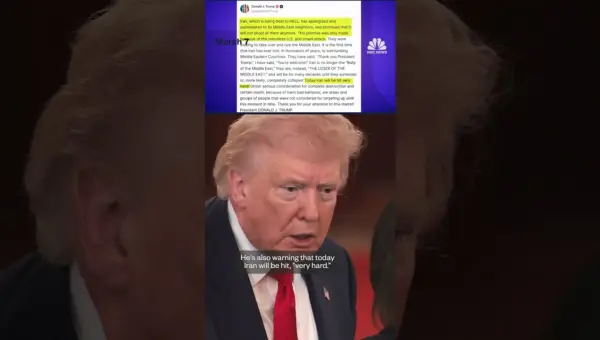
Iran’s President Rejects Unconditional Surrender Amid Tensions
Iranian President Massud Peshkan has apologized to neighboring countries, stating Iran will not attack unless provoked. This comes as US President Trump demands unconditional surrender and warns of severe retaliation.

War Games: How Memes Mask a Catastrophic Iranian Conflict
A critical analysis of the current Iranian conflict, exposing how the Trump administration's use of memes and perceived detachment trivializes the human cost. The piece questions the necessity of the war, highlights geopolitical manipulation, and examines the severe economic impact on American families.
Russia’s Economy Crumbles: Citizens Cursing Putin Amidst Poverty
Russia faces a deepening economic crisis, with citizens lamenting poverty and rising prices despite President Putin's claims of stability. Experts warn of recession and default, while citizens express frustration over funds being diverted to war efforts.