Latvia Minister: Mideast War Strains Ukraine Aid, NATO Faces Tests
Latvia's Defense Minister Andres Sputis warns that the war in the Middle East is diverting critical resources and attention away from Ukraine. He emphasized NATO's need for practical cooperation amidst shifting global dynamics and potential U.S. policy changes.

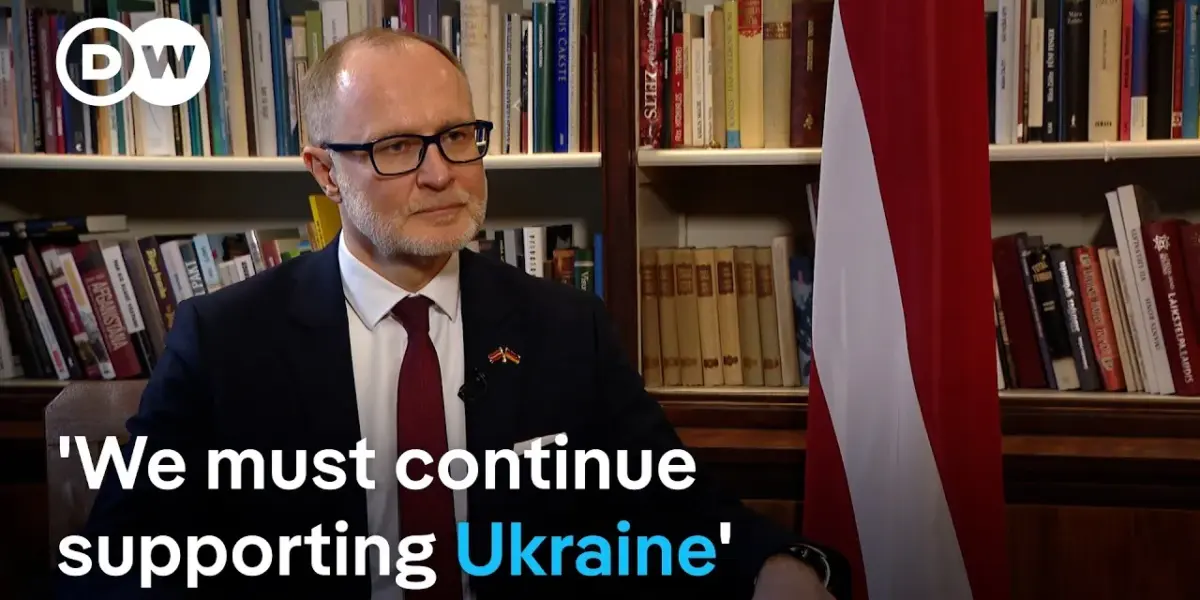
Latvian Defense Minister Addresses NATO’s Complex Challenges
Riga, Latvia – In an era marked by escalating global conflicts and shifting geopolitical alliances, the North Atlantic Treaty Organization (NATO) finds itself navigating a complex web of security challenges. The ongoing war in Ukraine, a new conflict erupting in the Middle East, and the unpredictable foreign policy stances of potential future U.S. leadership present significant hurdles for the transatlantic alliance. Andres Sputis, the Defense Minister of Latvia, a nation on NATO’s eastern flank with a direct border to Russia, recently shared his perspective on these critical issues, emphasizing the need for practical cooperation and unwavering support for Ukraine.
Trump’s Demands and NATO’s Collective Security
The specter of former U.S. President Donald Trump’s potential return to the White House looms large, with his recent pronouncements on international security and alliances raising concerns. Trump has called for NATO members to contribute to a U.S. and Israeli-led mission in the Strait of Hormuz, warning of a bleak future for NATO if such demands are not met. When questioned about feeling blackmailed, Minister Sputis asserted that the mission is not a NATO operation but a bilateral U.S. and Israeli endeavor against what he described as a “repressive Iranian regime.” He stressed that while discussions about broader global security contributions are ongoing within NATO, the focus should remain on practical cooperation.
“We believe that we should not always over-focus on every statement, but we should focus on practical cooperation. And practical cooperation within NATO has been positively valued. It’s highly appreciated also in Latvia. There are American soldiers in Europe. There are American soldiers in eastern flank. There are American soldiers also in Latvia.”
Sputis acknowledged that disputes within the alliance are not new, recalling previous disagreements with the United States. However, he maintained that these have not fundamentally altered the dynamics within NATO, citing the successful Vilnius Summit as an example. The presence of American troops on NATO’s eastern flank, including in Latvia, underscores the enduring practical cooperation, he noted.
Sanctions on Russia and the “Peace Through Strength” Doctrine
The potential for the U.S. to loosen sanctions against Russia’s oil industry, a move that could provide new funds for Moscow, was also addressed. Minister Sputis unequivocally stated that Russia must be punished for its invasion of Ukraine, its violation of international norms, and the killing of innocent civilians. He highlighted that both the United States and European nations have implemented extensive sanctions packages, with 20 such packages now in place against Russia.
Echoing sentiments often expressed by U.S. defense officials, Sputis advocated for a “peace through strength” approach, arguing that negotiations and actions should stem from positions of power. “Weakness is what Russia is encouraging and inviting for some additional imperialistic steps globally, regionally,” he warned. He emphasized the necessity of maintaining and implementing sanctions to continuously pressure Russia, given its continued aggression in Ukraine.
Mideast Conflict’s Impact on Ukraine’s Resources
Perhaps one of the most significant concerns raised by Minister Sputis is the diversion of vital military resources, particularly air defense munitions, due to the conflict in the Middle East. The simultaneous demands from both regions have led to a “diversion of attention” and raised questions about the availability of critical supplies for Ukraine.
“Yes, there is a concern in this regard. So it once more underlines that um support for Ukraine, continuous support for Ukraine cannot be given up and it should be continuously uh provided in this case a lot considerably more also by Europeans that we need to invest in their defenses and we need to invest and we need to establish a strong partnership with our industrial partners in Europe and more widely as well.”
Sputis stressed that the war in the Middle East serves as a stark reminder of the challenging global security environment and the critical role of defense industries. He called for increased investment in European defense capabilities and the establishment of robust partnerships with industrial sectors to meet escalating demands. While acknowledging that progress is being made, he expressed a desire for faster advancements in these areas.
Latvia’s Stance as a Frontline NATO Member
As a direct neighbor of the Russian Federation, Latvia occupies a unique and sensitive position within NATO. Minister Sputis emphasized that it is not just Latvia but “NATO being direct neighbor” to Russia. He reiterated the core principle of the alliance: an attack on one is an attack on all, as enshrined in Article 5.
Living alongside Russia for centuries, Latvia claims to understand its “true nature” and its “unfortunate imperialistic ambitions,” tragically demonstrated in Ukraine. The nation is committed to being prepared for any hybrid risks, attacks, or conventional threats, working collaboratively with its allies to build defenses and contingency plans. Despite the challenges, Sputis conveyed a sense of readiness rather than fear, calling for “action” from both individual nations and the collective alliance.
Looking Ahead: Sustained Support and Alliance Resilience
The coming months will be crucial for NATO as it grapples with the dual demands of supporting Ukraine and managing new security threats. The alliance must find ways to ensure a steady flow of aid to Kyiv while simultaneously bolstering its own defenses and maintaining a united front against potential adversaries. The resilience of transatlantic partnerships, particularly the relationship with the United States, will be tested by evolving political landscapes. Latvia’s perspective highlights the urgent need for European nations to increase their defense spending and industrial capacity to fill any potential gaps and demonstrate unwavering commitment to collective security.
Source: How the Iran war is hurting Ukraine's chances at peace | DW News (YouTube)

Related Articles

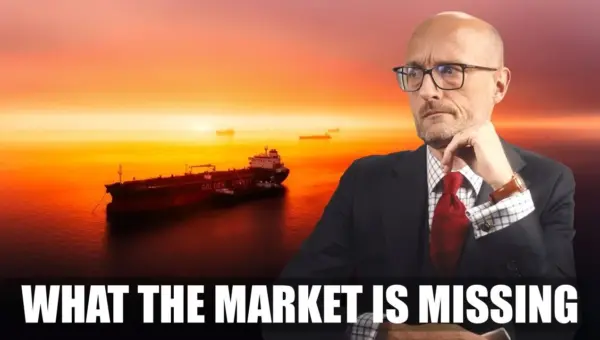
Stocks Ignore War Risks, Focus on “Taco Moments”
Stock markets appear to be overlooking the severe supply chain risks stemming from the Iran conflict, focusing instead on potential diplomatic de-escalations. While the S&P 500 shows resilience, bond and commodity markets signal deep concern over disruptions to critical resources like LNG, helium, and fertilizers.
U.S. Iran Tensions Rise Amid Shifting Alliances
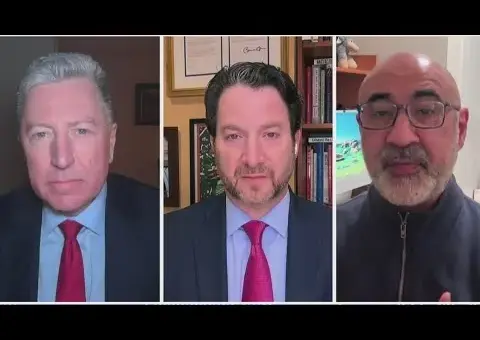
Rising tensions between the U.S. and Iran are creating a volatile geopolitical situation. With conflicting signals on de-escalation and potential shifts in alliances like NATO and U.S.-Israel relations, the path forward remains uncertain. The global economy and regional stability hang in the balance.

Iran Targets US With Cyberattacks, Escalating Digital Warfare
Iran is increasingly using cyberattacks to challenge the U.S., as seen in a recent hack of the FBI director's account. Experts say this is a strategic shift due to Iran's limitations in conventional warfare. The U.S. needs to strengthen its digital defenses, focusing on encryption and cloud computing, rather than solely relying on traditional security measures.