Latino Voters Shift: GOP Faces Major Headwinds in Midterms
New polling indicates a potential shift in Latino voter support, with economic concerns like inflation topping the list of worries. Republicans face headwinds as this key demographic seeks financial relief and may not be guaranteed support.

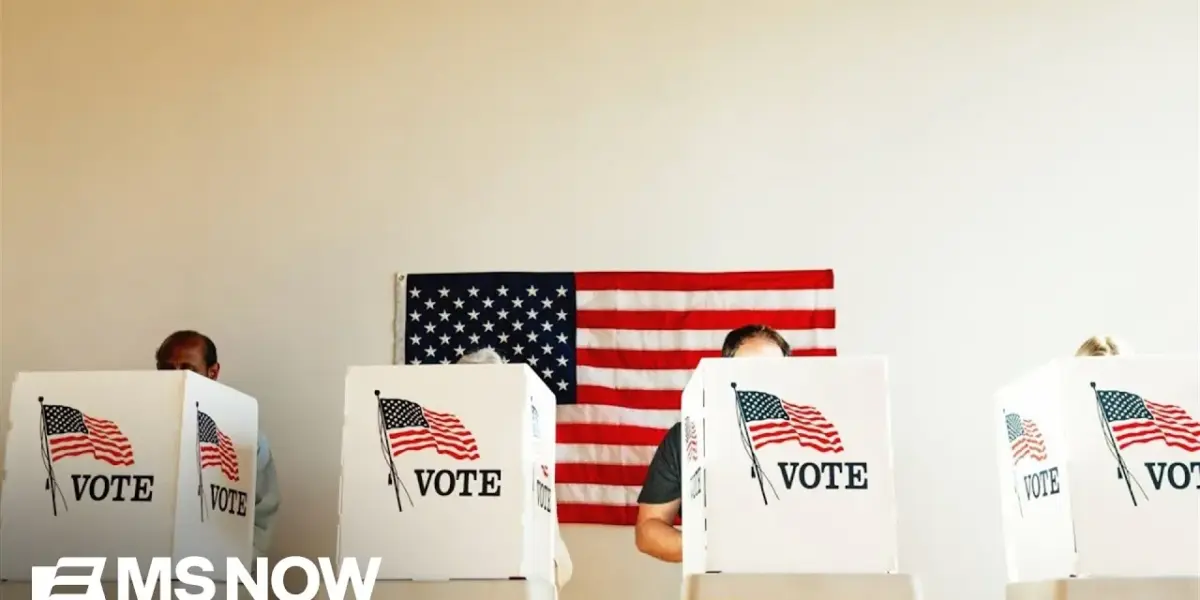
Latino Voters Eye Economy, Seek Relief Ahead of Midterms
New polling data reveals significant warning signs for the Republican Party as the midterm elections approach. A survey conducted by Florida Atlantic University for Bloomberg indicates that a crucial voting bloc, which previously supported Donald Trump, may be distancing itself from the GOP. The economy and inflation are top concerns for over 55 percent of Latino voters, while immigration remains a primary worry for nearly 18 percent.
These concerns mirror sentiments expressed before the 2024 election, suggesting that Latino voters have experienced little economic improvement under Republican control of the White House and Congress since January of last year. With Democrats needing only a few seats to regain control of the House, analysis from the Cook Political Report and Bloomberg News identifies nearly a dozen congressional districts with substantial Hispanic populations that are currently vulnerable for Republicans. Many of these districts are located in Texas and California.
Economic Woes Drive Latino Voter Concerns
Alicia Diaz, a reporter for Bloomberg News who has been closely tracking the story, explained the dynamic playing out ahead of the midterms. “It’s not a given for either party,” Diaz stated, emphasizing that there are still six months until the elections, offering opportunities for both Democrats and Republicans to gain ground. However, the current reality is that many Latino voters are not feeling the promised economic relief.
“Not only immigration, but getting a little bit of relief when they pay their rent, their mortgage, you know, trying to put their kids through school, things like that,” Diaz elaborated. “And so the state of play is that Democrats have this opening, however, it’s not guaranteed as we know.” The focus on affordability could be a key strategy for Democrats.
National Concerns Resonate Locally
While politics often becomes local, national issues are heavily influencing this voting bloc. Diaz highlighted that the economic concerns are not limited to well-known areas with large Hispanic populations like South Florida and South Texas. “Universally, it’s not feeling that relief in their pocketbooks,” she noted. Policies like tariffs are also impacting household budgets, potentially pushing paychecks to the brink.
Democrats have a clear opportunity to capitalize on these economic anxieties. The polling also raises questions about whether Democrats are effectively communicating their platform to this group. While Democrats have focused on issues like the Department of Homeland Security and immigration overreach, and polling confirms widespread concern about the administration’s handling of these issues, it remains unclear if Hispanic voters perceive Democrats as the clear alternative.
A Shifting Political Landscape
Looking back at the 2016 and 2020 elections, the period between 2020 and 2024 saw a notable shift as Latinos moved away from the Democratic Party. Support was nearly split between Kamala Harris and Donald Trump, underscoring the lack of deep-rooted, generational loyalty to either party within this demographic.
Analysts suggest that Latino voters often assess the current status quo. If they are not satisfied, it does not bode well for the party in power. This presents a potential challenge for Republicans heading into November. Strategists from both parties have acknowledged that they may have either overestimated or underestimated their appeal to Latino voters in past election cycles, assuming continued support based on previous outcomes.
Beyond Party Lines: Voter Values
The conversation also touched upon the complexities of political loyalty and voter priorities. When discussing the importance of broadening coalitions and moving beyond strict party lines, an example was raised regarding Senator Martin Heinrich’s vote for a nominee who had built a relationship across the aisle. While some may see this as stepping out of line, voters often value politicians who stick to their principles, regardless of party affiliation.
“A lot of people really value the idea of a politician sticking to their values, whether that goes against or for their party,” Diaz observed. She added that the focus in Washington on party-line votes might not reflect how everyday voters perceive these actions. Incumbency often benefits from a politician’s ability to explain their decisions to constituents, but the current hyper-partisan environment raises questions about whether such space for individual judgment still exists.
Looking Ahead
Both major parties will need to grapple with these evolving voter dynamics. The upcoming midterms will be a critical test to see how effectively Republicans and Democrats can connect with Latino voters on issues that matter most to them, particularly economic concerns. The outcome in key districts with large Hispanic populations could significantly influence the balance of power in Congress.
Source: Republicans risk losing Latino support ahead of midterms (YouTube)

Related Articles


Polls Spell Doom: Republicans Face Voter Backlash
New polling data reveals a sharp decline in public confidence regarding the economic impact of Republican policies, particularly under Donald Trump. A significant majority now feel financially worse off, a trend that is especially pronounced among independent voters. This economic discontent poses a major challenge for the Republican party heading into future elections.


Trump’s Name Everywhere: A ‘Stain’ on GOP Legacy?
Former President Donald Trump's efforts to brand national symbols, including a proposed signature on dollar bills, spark debate. Critics view this as an authoritarian attempt to embed his legacy, potentially staining the Republican Party's history and contrasting with democratic ideals of public ownership.


Immigration Debate Ignites Over Murder Suspect’s Status
A Venezuelan national accused of murder has become a focal point in the U.S. immigration debate. Prosecutors presented evidence of his alleged involvement in a student's death, while the defense highlighted his difficult background. The case raises questions about public safety and migrant support.