LaGuardia Runway Reopens After Deadly Crash, Safety Lapses Exposed
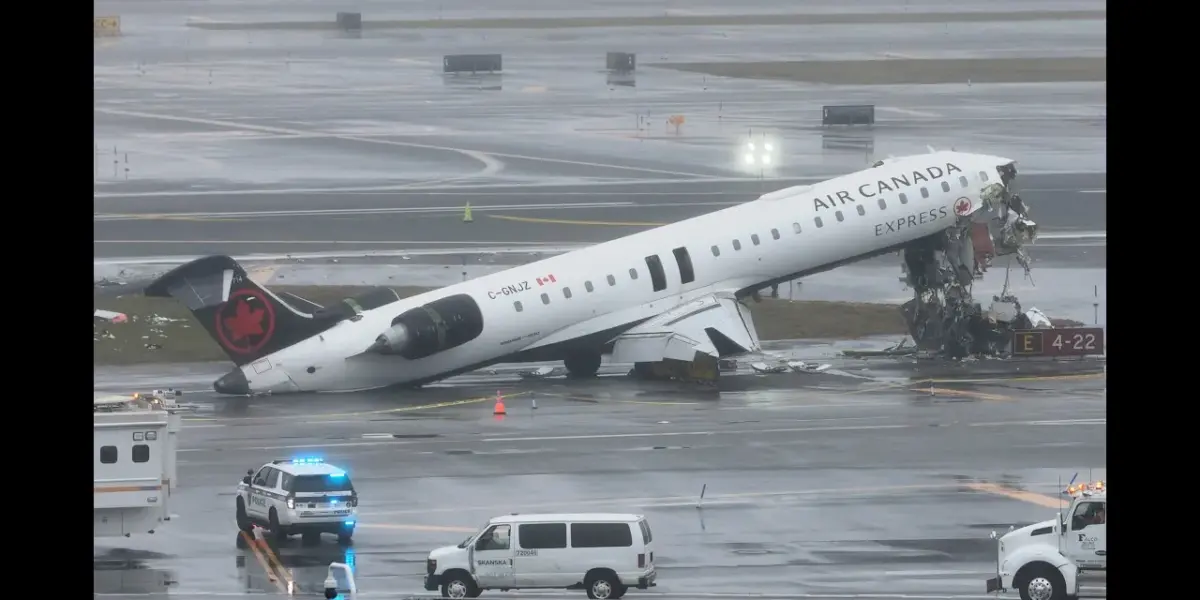
LaGuardia Airport's main runway has reopened after a fatal crash involving an Air Canada Express jet and a fire truck. The incident, which killed two pilots, exposed critical failures in airport safety systems, including ground surveillance and transponder use.

LaGuardia Runway Reopens After Deadly Crash, Safety Lapses Exposed
LaGuardia Airport’s main runway has reopened after a tragic crash that killed two pilots and injured many others. The runway had been shut down since Sunday. This closure followed a collision between an Air Canada Express jet and a fire truck. Airport crews worked quickly to remove the damaged aircraft and the fire truck late Wednesday. This allowed the runway to be cleared for safe operations by Thursday. However, the Federal Aviation Administration (FAA) has stated that arrival rates will stay lower than usual for the time being.
A Tragic Incident and Its Immediate Aftermath
The accident resulted in the deaths of two pilots. It also led to injuries for 39 passengers and crew members on board the flight. The severity of the crash immediately brought the National Transportation Safety Board (NTSB) to the scene. Investigators are now focused on understanding exactly how this happened. A key part of their investigation involves interviewing the air traffic controllers who were working when the crash occurred. Their accounts are crucial for piecing together the events of that day.
Critical Safety Systems Failed
Early findings from the NTSB point to significant failures in the airport’s safety systems. The ground surveillance system, which is designed to track all vehicles and aircraft on the airport grounds, did not issue any alerts. This system is a vital layer of protection. It helps prevent collisions by warning controllers of potential dangers. Furthermore, the fire truck involved in the collision was not equipped with a transponder. A transponder is a device that broadcasts a vehicle’s location and identity to radar systems. Without it, the truck was essentially invisible to the airport’s tracking technology.
Historical Context: Airport Safety and Technology
Accidents like this, while thankfully rare, highlight the ongoing challenges of ensuring safety in complex environments like major airports. Over the decades, airports have increasingly relied on advanced technology to manage the flow of air and ground traffic. Systems like ground surveillance and transponders have become standard to improve situational awareness for air traffic controllers. These tools are designed to act as safeguards, especially during busy periods or in challenging weather conditions. The failure of these systems at LaGuardia raises questions about their maintenance, reliability, and how they are integrated into daily operations.
Why This Matters
This incident at LaGuardia is more than just a news report about an accident; it’s a stark reminder of the critical importance of safety technology in aviation. When key systems fail, the consequences can be devastating, as seen in the loss of life and injuries. It forces a re-evaluation of how we monitor and manage the busiest parts of our transportation networks. The reliance on technology means we must also ensure that technology is constantly working as intended. Any lapse can have severe repercussions.
Implications, Trends, and Future Outlook
The NTSB’s findings about the failed safety systems will undoubtedly lead to a thorough review of similar technologies at other airports. We can expect recommendations for improved maintenance protocols and possibly upgrades to older systems. The incident might also spur discussions about mandating transponders on all ground vehicles at airports, regardless of their size or function. The trend in aviation is towards greater automation and data integration. This accident, however, serves as a cautionary tale. It emphasizes that even the most advanced systems are only as good as their upkeep and the human oversight that supports them. The future will likely see a renewed focus on redundancy and fail-safes in airport safety technology, ensuring that if one system fails, another is there to catch the problem.
Looking Ahead
While LaGuardia’s runway is back in operation, the investigation continues. The NTSB will issue a full report detailing its findings and recommendations. Passengers and the aviation industry will be watching closely. This event underscores the constant need for vigilance and investment in safety. It’s a necessary step to prevent future tragedies and maintain public trust in air travel.
Source: LaGuardia Airport Runway Reopens After Crash That Killed 2 Pilots (YouTube)

Related Articles


Iran War Talks Ignite, Airport Chaos Deepens
President Trump confirms peace talks with Iran are underway, while US airports face ongoing chaos due to the DHS shutdown. Investigations into a fatal LaGuardia crash reveal systemic safety issues, with experts citing controller fatigue and staffing shortages. Meanwhile, the search for a missing elderly woman continues in harsh desert terrain, highlighting diverse challenges facing the nation.
Air Safety Fears Soar After Deadly Crash
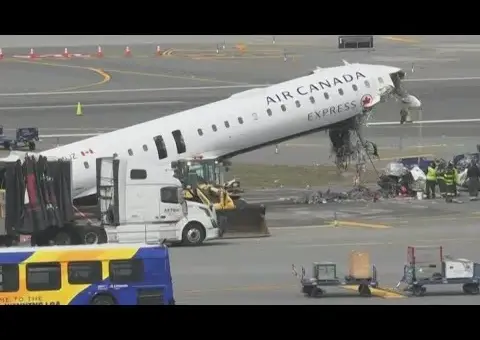
A fatal crash at LaGuardia Airport has triggered a national review of air safety, revealing a pattern of close calls and communication issues at U.S. airports. Investigators are examining technology and staffing, as calls grow for urgent safety upgrades.

Missing Transponder Fueled LaGuardia Near-Disaster
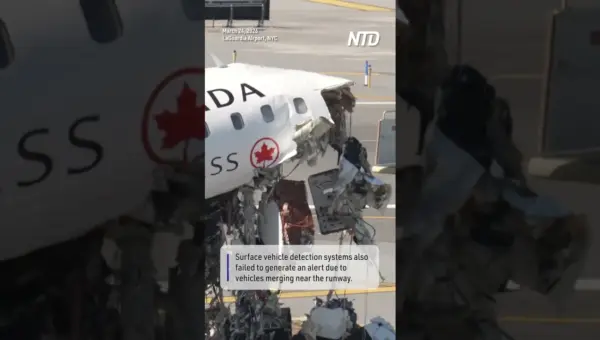
A fire truck lacking a crucial transponder was involved in a near-collision at LaGuardia Airport. The NTSB is investigating this and other issues, highlighting potential gaps in ground vehicle safety protocols. This incident serves as a stark reminder of the importance of technology in preventing airport accidents.