LaGuardia Crash: System Failure, Not Pilot Error, Investigator Says
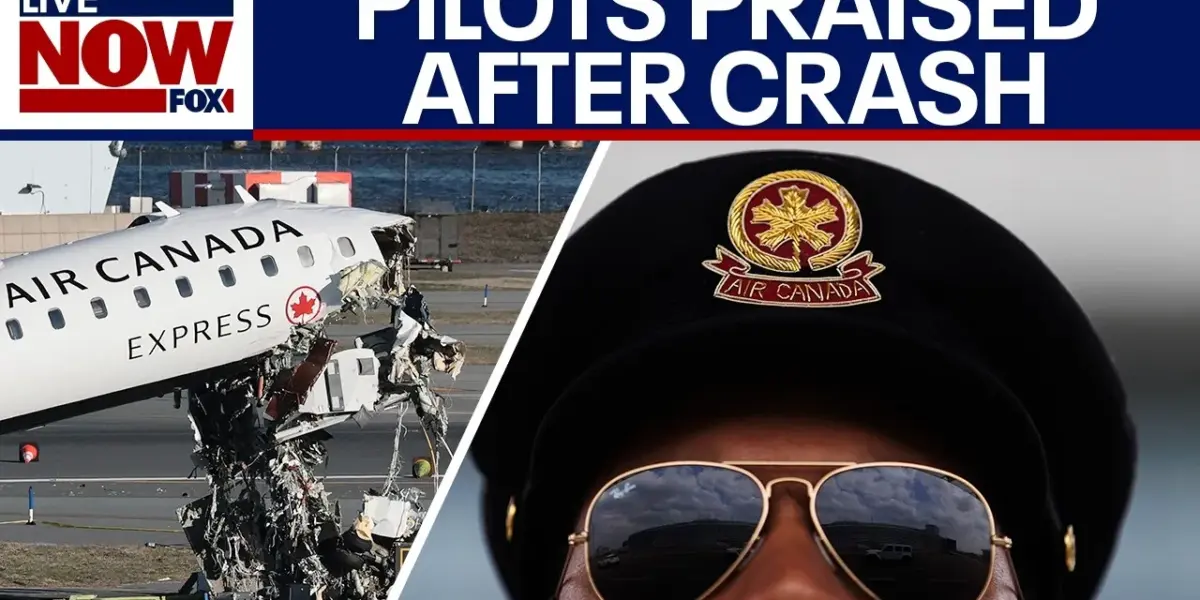
An Air Canada jet's collision with a firetruck at LaGuardia Airport was caused by a runway warning system failure, exacerbated by the firetruck lacking a transponder, according to aviation attorney Hunter Scholik. He emphasized that while pilots acted heroically, systemic issues like overcrowding and overworked air traffic controllers contribute to such near-disasters, with investigators now focused on implementing fixes to prevent future incidents.

LaGuardia Crash: System Failure, Not Pilot Error, Investigator Says
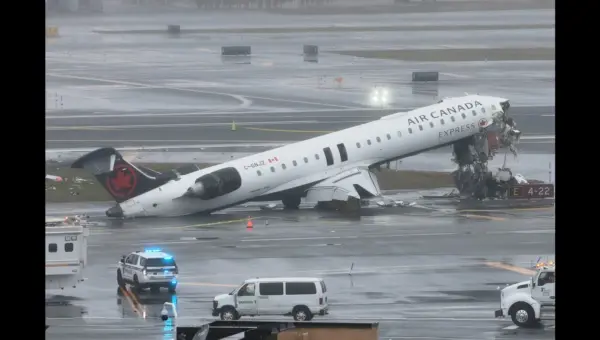
A near-disaster at New York’s LaGuardia Airport, where an Air Canada jet collided with a firetruck on the tarmac, highlights critical system failures, according to aviation attorney Hunter Scholik. The incident, which occurred yesterday, saw a runway warning system fail to alert the pilot, a failure attributed to the firetruck not having a transponder. This lack of basic safety equipment on emergency vehicles is a serious issue at LaGuardia and other New York airports, Scholik explained.
Missing Safety Layer on Tarmac
“There’s no question without having a transponder on the emergency vehicles… that vehicle would not have crossed into the path of the airplane,” Scholik stated. A transponder is a device that broadcasts a vehicle’s location and identity. Without it, airport systems cannot track the vehicle, leading to potential collisions with aircraft. This missing layer of protection is a significant concern for airport safety protocols.
Human Error vs. Systemic Breakdown
Investigators are working to determine the exact cause of the crash. Scholik believes the incident was a result of human error in the air traffic control tower, not the pilots. The pilots were praised for their actions, slowing the plane down to about 100 miles per hour at the point of impact. “They did as good a job as anyway,” he said, emphasizing the pilots’ skill in a dire situation. However, the core issues lie with equipment and airport systems.
Overcrowding and Overworked Staff
Beyond the immediate cause, Scholik pointed to broader systemic problems at LaGuardia and other New York airports. “They are overcrowded. The air traffic controllers are overworked,” he noted. This combination of high traffic volume and stressed personnel creates a recipe for accidents. “You’re going to have accidents, and that’s what we saw is exactly what you know is going to happen,” Scholik warned.
Ground Collisions and Legal Ramifications
From a legal perspective, Scholik clarified that whether a crash occurs in the air or on the ground, the injuries to people are the primary concern. The difference in this case is that survivors were able to walk away, making it a tragedy that “could have been a lot worse.” The pilots’ quick thinking and actions likely saved many lives. Scholik stressed that even on the ground, such an incident is a tragedy, but the outcome could have been far more devastating.
NTSB’s Investigation and Future Prevention
The National Transportation Safety Board (NTSB) is meticulously examining all evidence, including cockpit voice recorders and flight data. “They have what they need, but you would never determine a cause of a crash until you’ve looked at everything,” Scholik said. This includes analyzing flight data, voice recordings from the tower, and the speed and braking of the aircraft. Crucially, the NTSB aims to identify the cause not just to assign blame, but to implement fixes. “They’re going to establish a way to fix this problem so it never happens again,” Scholik stated, highlighting the focus on preventing future incidents.
Victims’ Rights and Legal Recourse
For those affected by the crash, Scholik advised prioritizing medical care. Following that, victims will likely engage law firms specializing in aviation law. These lawyers will manage the complex legal process, which often involves multiple parties pointing fingers. “The airline, this is going to be a fight. The airline fighting with the port authority with whoever is providing the emergency services,” he explained. Ultimately, Scholik assured that families will be compensated for their losses.
Lessons Learned and Future Safety
The video footage of the crash is described as “unbelievable,” underscoring the severity of the event and the fortunate outcome of no fatalities. The pilots’ efforts to slow the plane were significant, but the impact was unavoidable. This incident serves as a stark reminder of the need for constant vigilance and investment in safety systems at busy airports. The focus now shifts to ensuring that the lessons learned lead to concrete changes, making air travel safer for everyone.
Source: Aviation expert says LaGuardia Airport crash ‘could have been a lot worse’ (YouTube)

Related Articles
LaGuardia Runway Reopens After Deadly Crash, Safety Lapses Exposed
LaGuardia Airport's main runway has reopened after a fatal crash involving an Air Canada Express jet and a fire truck. The incident, which killed two pilots, exposed critical failures in airport safety systems, including ground surveillance and transponder use.
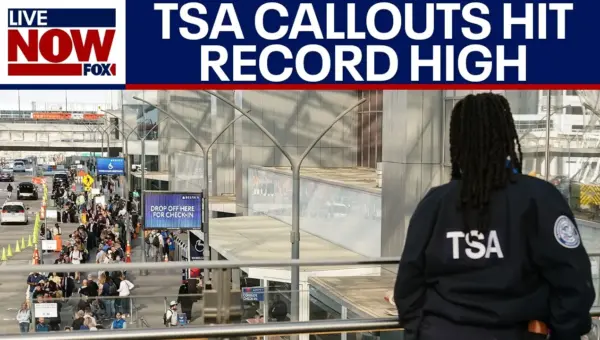
TSA Workers Get Paid After Record Absences
TSA agents will finally receive paychecks after working nearly six weeks without salary, following a directive from President Trump. Record high absences had strained airport operations and caused significant passenger delays. The situation has sparked calls for better protections for essential workers during government shutdowns.


TSA Funding Fight Sparks Airport Chaos, Worker Exodus
TSA officers will soon receive back pay after President Trump signed an emergency order, but the ongoing congressional funding fight continues to cause airport chaos. Long security lines and a significant number of TSA officer resignations highlight the deep divisions over border security measures, leaving travelers frustrated.