Labor Chief Bridges Divide, Courts GOP for Worker Gains
Teamsters President Sean O'Brien explains his union's strategic decision to engage with the Republican administration, prioritizing member interests and seeking a seat at the policy table. This approach, driven by member polling, aims to secure job protection, safety measures, and a return of manufacturing to the U.S., marking a notable shift in labor's traditional political alignment.

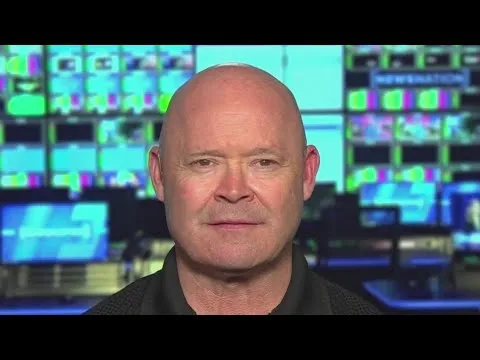
Labor Chief Bridges Divide, Courts GOP for Worker Gains
Sean O’Brien, president of the Teamsters union, has taken a bold path, reaching out to Republicans and the Trump administration to secure benefits for his members. This move surprised many, as it goes against the traditional alignment of many union leaders with the Democratic Party. O’Brien explains that this decision was driven by the needs and voting patterns of his own members. He stated that polling showed about 65% of Teamster members voted Republican in the last election, with 35% voting Democrat or independent. This showed him he had an obligation to represent everyone’s interests, not just one party.
The Teamsters did not endorse a presidential candidate. Instead, they sought a seat at the table to influence labor policy. O’Brien believes this approach allows them to help shape solutions rather than be part of the problem. He admits that the union doesn’t agree with every policy decision made by the administration. However, having dialogue means they can discuss issues directly. O’Brien speaks with the President often, not only about Teamster concerns but also about broader American issues.
Achieving Results for Members
This strategy has yielded tangible results for Teamster members. For example, 100,000 members working in the rail industry, who drive and maintain trains and trucks, have seen policies implemented that protect their jobs. These policies also mandate safety measures. The union has also worked with the Labor Department and OSHA on policies aimed at protecting American workers in general. Furthermore, the Teamsters support bringing manufacturing back to the United States. They believe this will create more middle-class jobs.
O’Brien emphasized that his primary goal is to act in the best interest of his members. He noted that working-class Americans often mention tariffs and mass deportations as issues that make them feel represented by the current administration. These are key concerns that the Teamsters have raised.
Focus on Border Security and Fair Immigration
Regarding border security, O’Brien stated that the safety of the country is crucial. He believes in having secure borders and that people coming to the U.S. should go through the proper legal process with the intent to become good Americans. He voiced concerns about people crossing borders to traffic children, sell drugs, and commit violent crimes. Therefore, safety and securing the border must be the top priorities.
He also stressed the importance of credibility in the immigration system, acknowledging that it is broken. O’Brien expressed confidence in Mark Wayne Mullen, whom he believes is the right person to find solutions. Mullen, who testified at a hearing O’Brien attended, admitted he wasn’t the smartest but was a hard worker committed to finding solutions. O’Brien feels this dedication is what’s needed to protect the country.
Historical Context and Shifting Alliances
O’Brien’s willingness to engage with Republicans marks a departure from a long-standing trend. Historically, major labor unions have often aligned closely with the Democratic Party, seeing it as the natural champion of workers’ rights. This alignment was built on decades of shared goals, such as advocating for fair wages, safe working conditions, and social safety nets. The Democratic Party platform has traditionally included planks supporting collective bargaining and worker protections, making it a comfortable partner for many union leaders.
However, the political and economic landscape has been changing. Shifts in the industrial base, the rise of new economic sectors, and evolving voter demographics have created a more complex environment. O’Brien’s approach reflects a pragmatic assessment that a singular party alignment may no longer be the most effective strategy for all workers. By seeking engagement across the aisle, he is attempting to adapt to these changes and ensure that the Teamsters’ priorities are addressed regardless of who holds political power. This mirrors past instances where labor groups, facing economic hardship or political shifts, have explored different alliances to protect their members.
Economic Leverage and Worker Power
The Teamsters’ strategy is rooted in understanding economic leverage. By having a seat at the table with the Trump administration, they gained direct access to policymakers influencing trade, manufacturing, and labor regulations. Tariffs, for instance, can impact manufacturing jobs and supply chains, affecting the very members the union represents. Similarly, policies on immigration and border security can influence the labor market and the availability of workers in certain sectors.
O’Brien’s focus on bringing manufacturing back to the U.S. is a clear example of using political engagement to achieve economic goals. This aims to create jobs that offer good wages and benefits, strengthening the middle class. The union’s work with OSHA on safety measures also highlights their commitment to protecting workers from hazardous conditions, a core concern for any labor organization. This proactive engagement demonstrates how unions can use their influence to shape economic policy in ways that directly benefit their rank-and-file members.
Global Impact and Future Scenarios
O’Brien’s approach could have a ripple effect across the labor movement and the broader political landscape. If the Teamsters can demonstrate continued success in securing gains for their members through bipartisan engagement, other unions might consider similar strategies. This could lead to a more fragmented political alignment among labor unions, with different groups prioritizing different relationships based on their specific membership and goals.
One future scenario is that this bipartisan approach becomes a more common tactic for unions seeking to maximize their influence. Another possibility is that such alliances prove temporary, and unions revert to more traditional partisan alignments if political winds shift. The long-term impact will depend on the continued effectiveness of O’Brien’s strategy and the evolving political priorities of both major parties. This pragmatic engagement underscores a significant shift in how some labor leaders are navigating the complex terrain of American politics to serve their members’ best interests.
Source: Teamsters president: Realignment with Right two years ago 'bold' but necessary | Batya! (YouTube)

Related Articles

AI Threatens White-Collar Jobs, Reshaping U.S. Workforce
Artificial intelligence is poised to significantly reshape the U.S. job market, raising concerns among recent graduates and experienced professionals about future employment. While some lawmakers call for regulation, experts emphasize adaptation and learning to work with AI.


US Holds 8,000 Tons of Gold: A History Lesson
Discover how the U.S. amassed over 8,000 tons of gold, a journey that began with President Roosevelt's 1933 order and the Bretton Woods Agreement. Learn how this historical gold hoard shaped the dollar's global dominance and its eventual decline.

Trump Faces Few Options as Iran War Strains US Economy
The U.S. war in Iran has entered its 27th day, bringing economic pain like rising fuel prices and inflation. President Trump faces limited options for ending the conflict, with Pentagon plans for a "final blow" involving ground troops raising concerns about prolonging the war.