LA Riots Erupt: Police Clash With ‘No Kings’ Protestors
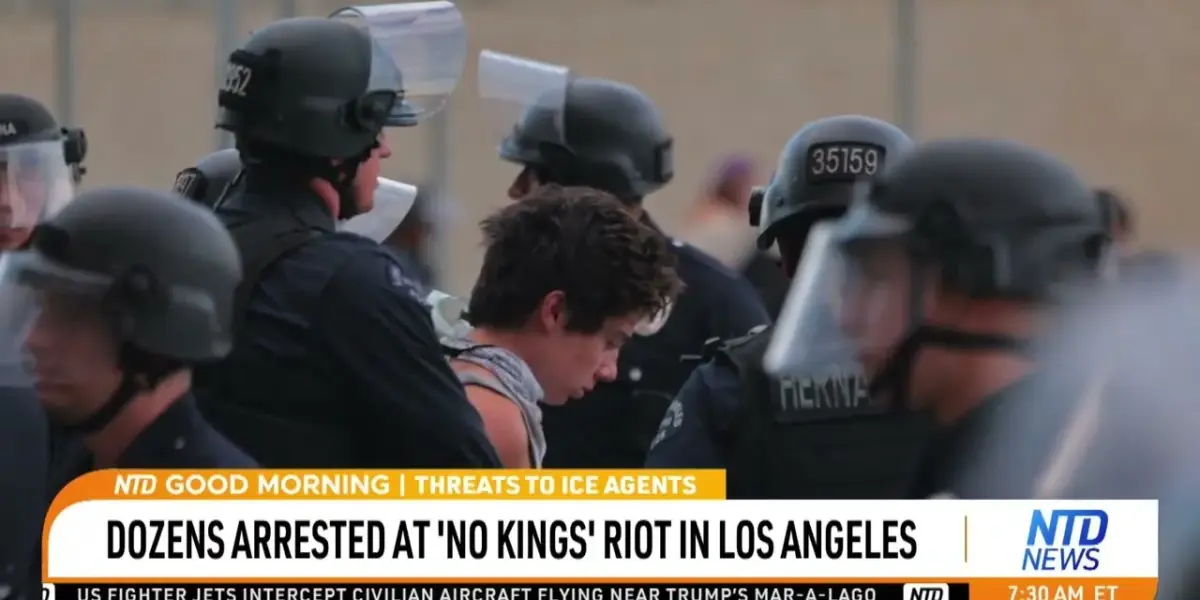
A 'No Kings' rally in Los Angeles turned violent, leading to dozens of arrests after protesters threw objects at police. The incident involved threats against federal agents and required officers to seek medical attention.

LA Riots Erupt: Police Clash With ‘No Kings’ Protestors
Downtown Los Angeles became a scene of conflict this past Saturday when a ‘No Kings’ rally escalated into a riot. The Los Angeles Police Department (LAPD) arrested dozens of individuals after protesters refused to disperse. This incident highlights the growing tensions and the volatile nature of some public demonstrations.
Protest Turns Violent
What began as a rally reportedly involving around a thousand participants quickly descended into chaos. The LAPD stated that 66 adults and eight juveniles were taken into custody for failing to leave the riot scene. The charges included failure to disperse and, more seriously, assault on federal officers.
The situation turned dangerous when protesters began throwing objects at law enforcement. Reports indicate that rocks, bottles, and even cement blocks were hurled at officers. Two officers required medical attention after being struck by cement blocks. The severity of these actions led to at least two arrests for assaulting federal law enforcement, a felony offense.
Threats and Federal Involvement
Adding another layer to the unfolding events, threats were made against federal agents. One individual was arrested for spray-painting death threats directed at ICE agents on a federal building. The message encouraged others to harm local ICE agents. The Department of Homeland Security responded sternly, vowing to pursue those who threaten ICE personnel or their families with the full extent of federal law.
This incident in Los Angeles was not isolated. A similar ‘No Kings’ protest in Denver also saw arrests. Nine people were taken into custody there after some individuals threw objects during the demonstration.
Why This Matters
The events in Los Angeles and Denver raise important questions about the nature of protest and the line between dissent and unlawful activity. When demonstrations turn violent, it not only endangers public safety and law enforcement but can also overshadow the message the protesters aim to convey. The use of violence, such as throwing cement blocks at officers, crosses a critical boundary, leading to serious legal consequences.
Furthermore, the involvement of federal agencies like ICE and the threats made against them underscore the complex and often politically charged environment in which such protests occur. The response from the Department of Homeland Security signals a firm stance against threats targeting its agents, indicating a potential increase in federal intervention in cases involving direct threats during protests.
Historical Context and Future Outlook
Protests have a long history of being a vital part of democratic societies, used to voice grievances and demand change. From the Civil Rights Movement to anti-war demonstrations, the right to assemble and speak freely is fundamental. However, history also shows that protests can sometimes become violent, leading to arrests and societal debate about the methods used.
The ‘No Kings’ movement, as suggested by the name, often involves anti-authoritarian sentiments. While the specific aims of this particular rally were not detailed in the initial reports, such movements can arise from a variety of social and political dissatisfactions. The escalation into a riot, with violence against police and threats against federal agents, suggests a deep level of frustration among some participants.
Looking ahead, these events may signal a trend of increased confrontation at protests. As societal divisions persist, the potential for demonstrations to become volatile remains. Law enforcement agencies will likely continue to face challenges in managing large crowds, balancing public safety with the right to protest. The involvement of federal authorities in response to threats may also become more common, further escalating tensions in certain situations.
The challenge for society is to find ways to allow for robust expression of dissent while ensuring that such expression does not devolve into violence that harms individuals or undermines public order. The legal repercussions for those involved in the Los Angeles riot serve as a stark reminder of the consequences when protests cross the line into criminal activity.
Source: Los Angeles Police Arrest Dozens of Protesters After ‘No Kings’ Rally Turns Into Riot (YouTube)

Related Articles

Protestors Demand Accountability: Is This the Turning Point?
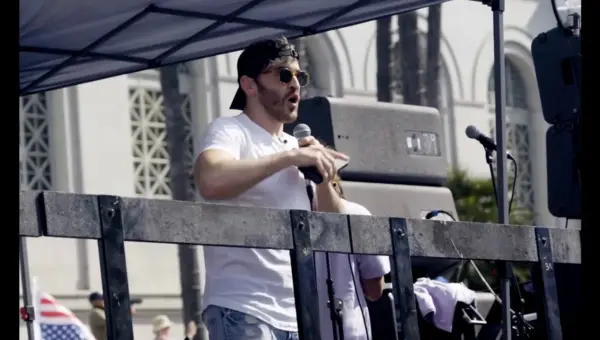
A massive protest, dubbed the largest in American history, has issued a strong call for political accountability and sustained citizen engagement. Speakers urged attendees to become messengers, aiming to translate protest energy into electoral victories through 2028. The movement envisions a future with universal healthcare, climate action, and a focus on domestic needs.
Democracy’s Roar: Thousands Rally for Rights
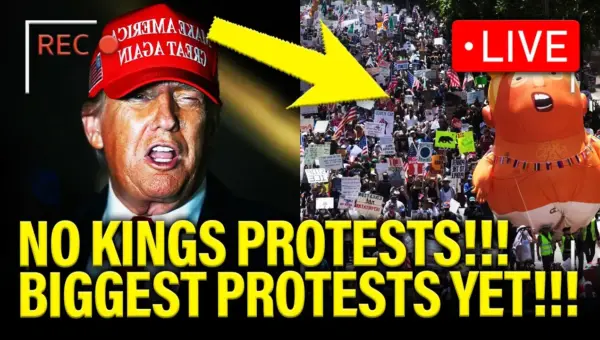
Thousands gathered in Saint Paul for the "No Kings" rally, a major pro-democracy event featuring prominent political figures and artists. The demonstration emphasized civic engagement and the importance of active participation in democratic processes.
First-Time Protester Cites War, Prices as Key Concerns
An auto technician from Louisiana, Jared McCallup, joined his first major protest, the 'No Kings' movement, citing war profiteering and rising prices as his primary concerns. He aims to be a voice for those too afraid to speak out. McCallup's experience highlights the growing economic anxieties among everyday Americans.