Kyiv Stands Firm Against Russian Ultimata, While Joint Operation Uncovers Moscow’s Assassination Plot Amidst Belarusian Drills and Trump’s Declassification Stir
This week saw Ukraine reaffirm its unwavering stance against Russian ultimatums, even as a joint SSU and Moldovan operation successfully dismantled a sophisticated Russian plot to carry out high-profile assassinations aimed at destabilizing the nation. Concurrently, Belarus's mysterious mass military training raised regional security concerns, while former U.S. President Donald Trump made headlines with claims of declassifying alien documents and distinctive remarks on global peace and personal preferences.

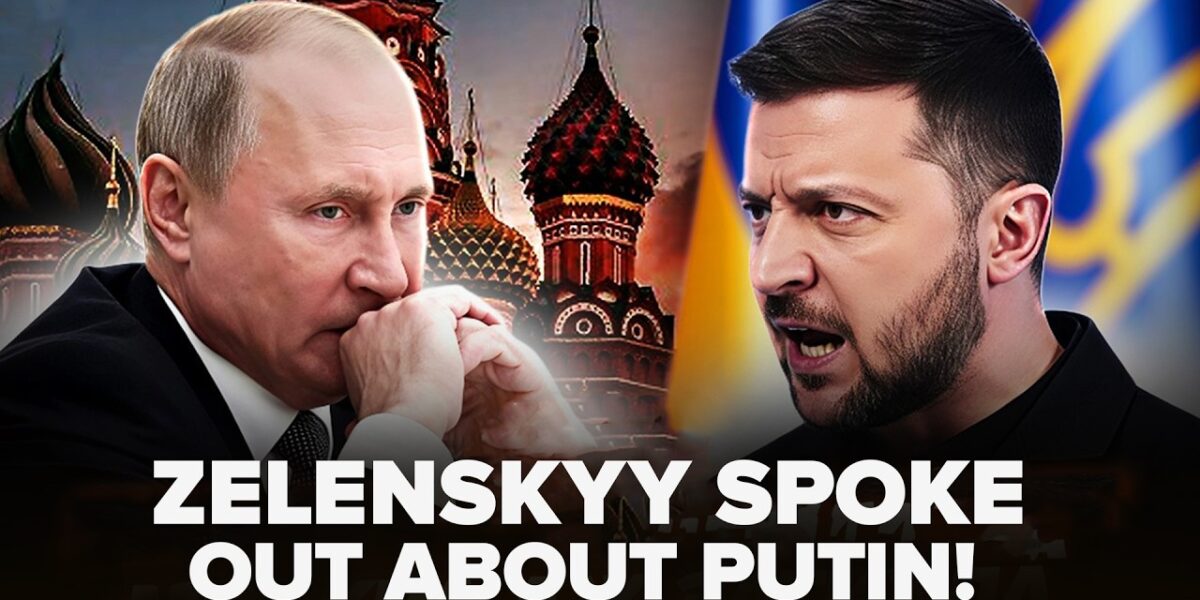
Kyiv Stands Firm Against Russian Ultimata, While Joint Operation Uncovers Moscow’s Assassination Plot Amidst Belarusian Drills and Trump’s Declassification Stir
The global geopolitical landscape continues to present a complex mosaic of escalating conflicts, determined resistance, and unexpected political interventions. Recent developments span from Ukraine’s unwavering stance against Russian aggression and a significant counter-intelligence triumph against Moscow’s clandestine operations, to Belarus’s unsettling military maneuvers, and former U.S. President Donald Trump’s characteristic forays into sensitive topics, including the declassification of documents related to extraterrestrial life.
This past week has underscored the multifaceted nature of contemporary international relations, where state-sponsored threats, hybrid warfare tactics, and the pronouncements of influential political figures converge to shape public discourse and strategic calculations. At the heart of the current European security crisis, Ukraine continues to articulate its non-negotiable terms for peace, even as its security services dismantle sophisticated Russian plots aimed at destabilizing the nation through high-profile assassinations.
Kyiv’s Unwavering Stance on Peace: No Compromise on Sovereignty
As the conflict in Ukraine approaches its third year, the prospect of peace remains elusive, primarily due to fundamentally divergent interpretations of what ‘compromise’ entails. A prominent Ukrainian voice, Phil Demerinski, articulated Kyiv’s resolute position in an interview with a Japanese media outlet, drawing a clear line between genuine negotiation and capitulation.
Demerinski emphasized that Ukraine is prepared for “real compromises,” but unequivocally rejected any terms that would jeopardize its “independence and sovereignty.” This stance reflects a deep-seated national determination to preserve its territorial integrity and self-governance, principles that have been at the core of Ukraine’s resistance since Russia’s full-scale invasion in February 2022, and indeed, since the annexation of Crimea and the conflict in Donbas began in 2014.
The Ukrainian official underscored the asymmetry of the conflict, reiterating that Russia is universally recognized as the aggressor. This widespread international consensus, he noted, has not wavered, despite various attempts by different nations, particularly from the Middle East and Asia, to mediate a resolution. For Ukraine, engaging in dialogue with an aggressor under these circumstances is already a significant concession.
“Even talking with the aggressor about compromises is already our compromise. Standing where we stand is a big compromise,” Demerinski stated. He highlighted the stark reality that Russia currently occupies almost 20% of Ukrainian territory. Despite this immense territorial loss, Ukraine remains open to discussing peace, founded on the principle of maintaining current positions. This, in itself, is presented as a major compromise from Kyiv’s perspective, given the profound violations of international law and national sovereignty.
However, the definition of ‘compromise’ offered by Russia stands in stark contrast to Ukraine’s position. According to Demerinski, Moscow’s proposals often amount to veiled threats: “They say we are ready not to occupy your other regions. But that is terrorism. Even these words are terrorism. I am ready not to kill you if you give us everything. That is not a compromise. It is an ultimatum.” This framing exposes the coercive nature of Russia’s demands, which Kyiv interprets not as a basis for negotiation but as an attempt to legitimize its illegal territorial gains and dictate terms through force.
Ukraine’s insistence on compromises that respect its sovereignty, territorial integrity, its armed forces, its people, and its children is a non-negotiable foundation for any future peace agreement. The rejection of ultimatums underscores a resolve to avoid repeating historical patterns where concessions to aggressors have only emboldened further expansionism. This firm stance is crucial not only for Ukraine’s survival but also for upholding the principles of international law and the global security order.
The duration of the conflict remains a significant concern for European officials. The Wall Street Journal recently reported that some European officials believe the war in Ukraine could persist for approximately three more years. This long-term outlook necessitates sustained international support for Ukraine and a clear understanding of Kyiv’s red lines in any potential peace negotiations.
Belarus’s Shadowy Drills: A Precursor to Conflict?
Adding another layer of apprehension to the regional security landscape are recent reports from Belarus, suggesting the country may be preparing for a significant military mobilization, potentially for war. Men across the nation have reportedly begun receiving mass draft notices for what are termed “unscheduled training” exercises.
These developments follow a recent inspection of the Belarusian army’s combat readiness by President Alexander Lukashenka on February 16. While footage of these drills sometimes appears unusual or even “ridiculous” to external observers – such as soldiers seemingly inconvenienced by bulletproof vests while shooting from specially laid flooring – the underlying intent remains a serious concern for regional stability.
Belarus, a close ally of Russia, played a critical role as a staging ground for Russian forces during the initial phases of the full-scale invasion of Ukraine. Its continued military cooperation with Moscow, including joint exercises and the deployment of Russian tactical nuclear weapons on its territory, raises alarms about its potential deeper involvement in the ongoing conflict or other aggressive actions.
The key question emanating from these “unscheduled training” notices is: against whom is Belarus preparing? While direct Belarusian military intervention in Ukraine has not materialized on a large scale, the ongoing drills could serve multiple purposes. They might be a coercive tactic against Ukraine, a show of force directed at NATO’s eastern flank, a means of internal control and loyalty testing, or a genuine preparation for a more active role in Russia’s broader strategic objectives.
Analysts often point to the dual nature of such military displays in authoritarian regimes – projecting strength externally while also reinforcing state control and military readiness internally. The seemingly awkward execution of some drills, as noted by observers, could also reflect a focus on propaganda and image rather than pure combat effectiveness, though the mass mobilization orders cannot be dismissed lightly.
‘Enigma 20’: Unmasking Russia’s Assassination Plot
Amidst the overt military posturing and diplomatic battles, the clandestine war continues to rage, often unseen but with potentially devastating consequences. In a significant victory against Russia’s hybrid warfare tactics, the Security Service of Ukraine (SSU), in a joint operation with the National Police of Ukraine and Moldovan law enforcement, successfully neutralized a sophisticated Russian agent and combat group.
This large-scale special operation, codenamed ‘Enigma 20’, spanned both Ukrainian and Moldovan territories and thwarted a new attempt by Russian special services to carry out a series of high-profile contract killings in Ukraine. The targets were not random; they included Ukrainian journalists, public figures, the head of a strategic enterprise, and military personnel from the Main Intelligence Directorate of the Ministry of Defense (HUR), notably fighters of the foreign legion.
The audacity and scope of the plot underscore Russia’s ongoing efforts to destabilize Ukraine through targeted violence and terror. The planned assassination methods were varied and brutal, ranging from close-range shootings to the blowing up of cars. For these heinous acts, Russian special services reportedly promised rewards of up to $100,000 USD, depending on the status of the intended victim.
The Modus Operandi of Destabilization
The joint investigation revealed a meticulously planned operation. The head of the enemy cell, a 34-year-old recidivist from Moldova, was reportedly recruited by Russian special services while serving a sentence in a Russian prison. After his release, he was dispatched to Moldova to establish and manage an agent combat group under direct Russian control.
This resident then recruited individuals with pro-Kremlin views, often those with prior military experience, forming them into specialized groups. One group was tasked with tracking the locations and daily routines of potential victims, employing tactics such as posing as delivery service couriers to photograph, video, and mark coordinates on Google Maps. The second group comprised the designated killers, prepared to execute the contract killings.
Russian agents were subsequently infiltrated into Ukraine under the guise of tourists, then dispersed to rented safe houses in various regions. Communication with the resident was maintained through crypto wallets and bank cards from foreign financial institutions, facilitating the covert transfer of funds for their operations.
The overarching objective of these high-profile killings, according to Ukrainian authorities, was to sow panic and severely destabilize Ukraine’s socio-political situation. This strategy aligns with Russia’s broader playbook of hybrid warfare, which seeks to undermine enemy states not just through conventional military means but also through psychological operations, propaganda, and targeted acts of terror.
During searches conducted as part of ‘Enigma 20’, law enforcement seized a cache of firearms, ammunition, grenades, and communication equipment from the detainees. The suspects now face severe charges under multiple articles of the Criminal Code of Ukraine, potentially leading to life imprisonment with property confiscation. The Office of the Prosecutor General of Ukraine released video evidence of the arrests, highlighting the gravity of the foiled plot and the effectiveness of international cooperation.
This successful operation is a testament to the vigilance and coordination between Ukrainian and Moldovan security agencies, demonstrating their capacity to counter sophisticated foreign intelligence threats. It also serves as a stark reminder of the persistent and varied threats Ukraine faces, extending beyond the front lines to its civilian and political fabric.
The Trump Factor: Declassification, Diplomacy, and Distraction
Away from the immediate battlefields of Eastern Europe, former U.S. President Donald Trump continues to command attention with his distinctive blend of political commentary and controversial pronouncements. This week, he made headlines by claiming he had ordered the Pentagon and other agencies to declassify documents related to aliens and extraterrestrial life.
This statement followed remarks by former President Barack Obama, who had previously alluded to the reality of unidentified aerial phenomena (UAPs), sparking public fascination. Trump’s reaction to Obama’s comments was characteristic, suggesting Obama had revealed classified information improperly. However, Trump also asserted a president’s inherent authority to declassify any information, seemingly contradicting his criticism of Obama while simultaneously hinting at his own capacity to do so.
The topic of UAPs and government transparency has gained significant traction in recent years, with increased public and congressional pressure for disclosure. Trump’s intervention, while not providing any new specific details, taps into this cultural phenomenon and aligns with his populist appeal as a figure who challenges conventional narratives and promises to reveal hidden truths.
Beyond the cosmic, Trump also convened the first meeting of his self-styled ‘peace council,’ an initiative aimed at addressing global conflicts. During this event, he expressed a desire to raise money for the rebuilding of Gaza, a significant humanitarian and geopolitical challenge. This proposal, while offering a potential pathway for reconstruction, also positions Trump as a potential player in future Middle East diplomacy, an area where his administration previously pursued highly unconventional policies.
True to form, the event was not without its idiosyncratic moments. Trump once again presented himself as a “peacemaker,” claiming credit for ending “eight wars” during his presidency and even suggesting the creation of a Nobel-like “Trump peace price.” While the specific conflicts he referred to were not detailed, this self-aggrandizing narrative is a consistent feature of his political rhetoric.
Observers at the event noted that Trump appeared to doze off during the speeches of other world leaders, an image that could be interpreted in various ways – from a sign of disinterest to a reflection of a demanding schedule. Such optics, however, often become fodder for both supporters and critics, shaping public perception of his engagement and leadership style.
In a remark that garnered particular attention, Trump also stated, “I like young women, not men.” This comment, delivered in a public forum, adds to a long history of controversial personal remarks that have often overshadowed his policy positions and diplomatic efforts. While some might dismiss it as a characteristic Trumpian aside, such statements often draw scrutiny regarding their appropriateness for a figure of his political stature and their potential impact on public discourse.
Finally, a brief, yet politically charged, interjection occurred when Trump was observed to say, “We know illegal aliens.” This pivot, likely referring to undocumented immigrants, serves as a sharp contrast to the discussion of extraterrestrial life, bringing the conversation back to a highly contentious domestic policy issue that has been a cornerstone of his political platform.
A Landscape of Intersecting Crises and Unpredictable Dynamics
The events of the past week paint a vivid picture of a world grappling with intersecting crises and unpredictable dynamics. Ukraine’s steadfast resolve against Russian aggression, bolstered by successful counter-intelligence operations, stands as a testament to its fight for sovereignty. Simultaneously, Belarus’s opaque military activities introduce fresh anxieties into an already volatile region. Meanwhile, Donald Trump’s continued presence on the global stage ensures that political discourse remains unconventional, marked by pronouncements on everything from alien life to personal preferences, all while positioning himself as a central figure in future global affairs.
The unfolding narratives underscore the enduring challenges of international security, the complex nature of modern warfare, and the significant influence of individual political figures in shaping global events. As these diverse threads continue to intertwine, the need for vigilance, strategic clarity, and robust international cooperation remains paramount.
Source: 😱What Zelenskyy SAID to Putin is shaking all of Moscow! Trump urgently gathered everyone (YouTube)

Related Articles

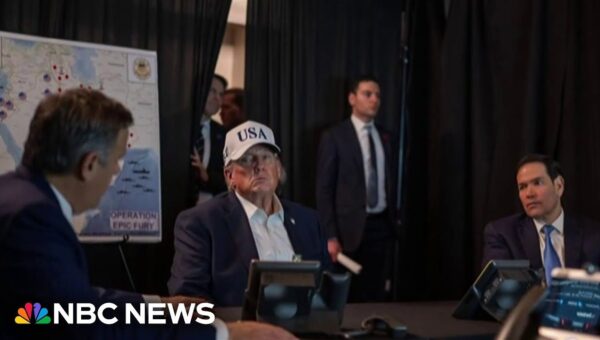
Trump: Iran Strikes Ahead of Schedule, Expects ‘Great Deal for World’
Three U.S. service members have been killed amid escalating conflict with Iran, President Trump confirmed. He stated that strikes are ahead of schedule, with senior Iranian leaders killed, and expressed optimism for a "great deal for the world" despite ongoing talks with Iranian officials.
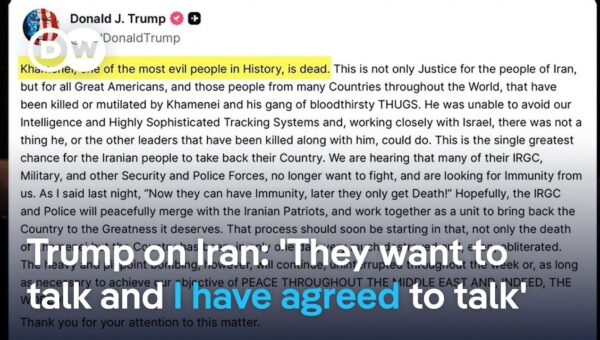
Trump Agrees to Talks with Iran After Major Strikes
President Donald Trump has agreed to talks with Iran's leadership following coordinated strikes that reportedly killed key figures, including the Supreme Leader. While Trump claims significant military successes, U.S. strategy remains unclear, and public opinion shows limited support for the actions amid rising American casualties.
Trump’s Putin Stance: US Strategy and Global Implications
Analysis suggests Donald Trump's approach to the Ukraine war involves pressuring Kyiv, but US involvement is crucial for resolution. China's influence and the 'MAGA' agenda's geopolitical implications are key factors.