Kristi Noem’s ‘Right People Voting’ Statement Sparks Election Integrity Concerns
South Dakota Governor Kristi Noem's controversial statement about ensuring "the right people voting, electing the right leaders" has sparked widespread concern, with critics interpreting it as a move towards partisan voter disenfranchisement. Allegations include potential weaponization of federal agencies like ICE to suppress votes and legislative pushes like the 'SAVE Act' for stricter proof-of-citizenship requirements, which opponents argue would disproportionately affect eligible citizens and undermine democratic principles.

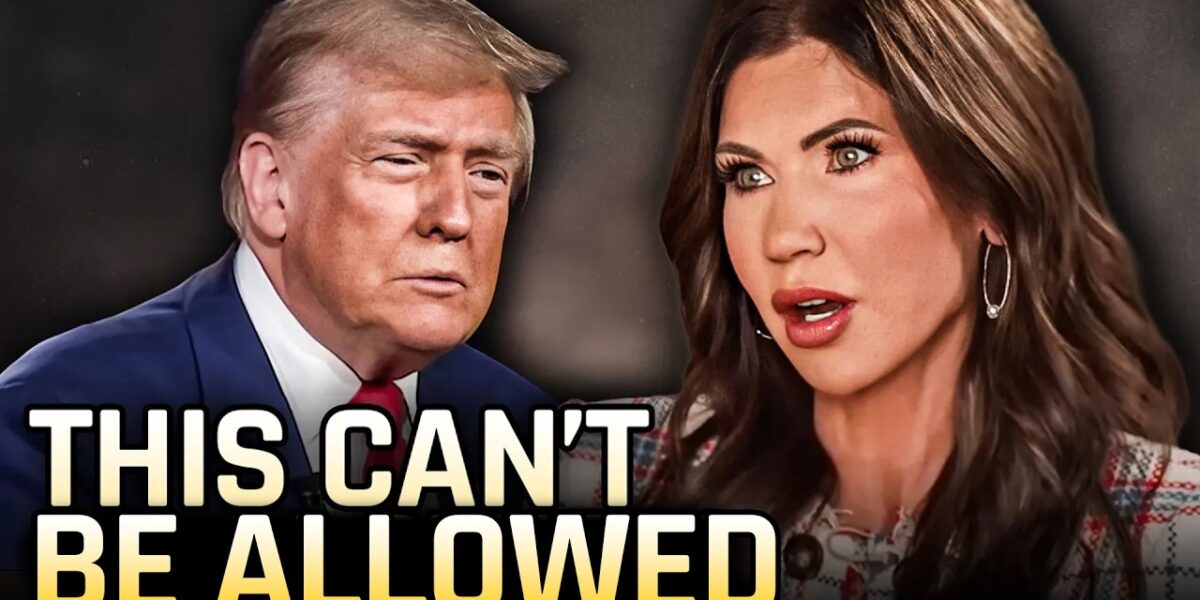
Kristi Noem’s ‘Right People Voting’ Statement Sparks Election Integrity Concerns
A recent statement by South Dakota Governor Kristi Noem has ignited a firestorm of controversy, with critics alleging her remarks signal an intent to manipulate future elections. Governor Noem, a prominent Republican and potential vice-presidential contender, declared that elections fall under her “critical infrastructure responsibilities” and emphasized the need for “the right people voting, electing the right leaders.” This phrasing has been widely interpreted as a coded message for voter suppression, particularly in the context of her association with former President Donald Trump and ongoing debates about election security.
Governor Noem’s Controversial Remarks Under Scrutiny
During a public appearance, Governor Noem stated, “Elections is another one of those critical infrastructure responsibilities that I have as well. And I would say that many people believe that it may be one of the most important things that we need to make sure we trust is reliable and that when it gets to election day that we’ve been proactive to make sure that we have the right people voting, electing the right leaders to lead this country through the days that we have, knowing that people can trust it.”
While proponents might argue such a statement merely underscores the importance of secure and fair elections, critics have seized upon the phrase “the right people voting, electing the right leaders.” Commentators argue that the addition of “electing the right leaders” reveals a partisan agenda, suggesting an effort to ensure specific electoral outcomes rather than upholding the neutrality of the voting process. This interpretation implies a strategy aimed at disenfranchising voters whose political preferences do not align with a particular party.
Allegations of Weaponizing Federal Agencies for Election Interference
The controversy deepens with claims that Governor Noem, who has influence over agencies like Immigration and Customs Enforcement (ICE), might leverage federal power to impact voter turnout. Critics speculate about a potential strategy involving ICE agents being deployed around polling stations under the guise of “election security.” This hypothetical scenario envisions agents arresting individuals, particularly protesters, on minor or fabricated charges, detaining them temporarily, and thereby preventing them from casting their ballots on Election Day.
“I know how she’s going to do it,” one commentator asserted, suggesting a tactic where “a bunch of protesters show up because ICE is present in and around the voting areas… You arrest them. You keep them in jail overnight. You let them go the next day, no charges, whatever. But they can’t vote when they’re in jail.” This strategy, if implemented, would be a blatant abuse of power, as individuals detained in jail are typically unable to vote. Such actions would not only suppress votes but also represent a significant overreach of federal agency jurisdiction, which traditionally lies with the Department of Justice in matters of election integrity and voter rights, not Homeland Security or ICE.
The Department of Homeland Security (DHS), which oversees ICE, is primarily responsible for border security, immigration enforcement, and protecting the nation from terrorism. Its role does not typically extend to direct involvement in domestic election administration or security in a manner that would impact voter access. Any deployment of ICE agents to polling places for purposes beyond their statutory authority would raise serious constitutional questions regarding civil liberties, voter intimidation, and federal overreach.
The SAVE Act: A Legislative Push for Proof of Citizenship
Adding another layer to the debate is the discussion around proposed legislative changes to voter registration requirements. The transcript references a bill reportedly passed by the House of Representatives, known as the “SAVE Act,” which would mandate proof of citizenship to register to vote. This measure, if enacted, would represent a significant shift from current practices in many states, which primarily rely on signed affidavits and existing databases to verify voter eligibility.
Proponents of such legislation argue it is necessary to prevent non-citizens from voting, thereby safeguarding the integrity of the electoral process. However, critics vehemently oppose these requirements, viewing them as thinly veiled attempts at voter disenfranchisement. They argue that existing state systems are robust and effective in preventing voter fraud, which studies consistently show to be exceedingly rare. State election officials typically cross-reference voter registration data with other government databases to verify citizenship and eligibility, a process that is largely automated and efficient.
Challenges and Concerns with Proof of Citizenship Requirements
The practical implications of requiring documents like birth certificates for voter registration are substantial. Critics highlight that a significant portion of the American population—estimated by some commentators to be between 17% and 20%—may not possess readily accessible proof of citizenship documentation. Obtaining such documents can be a cumbersome, time-consuming, and costly process, particularly for older individuals, those who have moved frequently, or those born in rural areas where record-keeping may have been less centralized.
As one commentator noted, recounting personal experience, tracking down official documents like court-stamped name changes can take “weeks to track down [and] cost a lot more money than you’d think for one tiny document.” For many individuals, particularly those with limited resources or time, this barrier could effectively prevent them from registering to vote, despite being eligible citizens. This disproportionately impacts marginalized communities, the elderly, and lower-income individuals who may face greater hurdles in acquiring necessary paperwork.
Historical Context of Voter Suppression Tactics
The concerns raised by Governor Noem’s statements and the push for stricter voter registration laws are not new. Voter disenfranchisement tactics have a long and troubling history in the United States, evolving from poll taxes and literacy tests in the Jim Crow South to more modern strategies like strict voter ID laws, gerrymandering, and voter roll purges. These efforts are often framed as measures to combat voter fraud, despite overwhelming evidence that widespread fraud is virtually non-existent.
For decades, political parties have engaged in battles over voter access versus election security. Critics argue that Republican efforts, in particular, have consistently aimed at restricting access to the ballot box for demographics perceived as likely Democratic voters. This pattern, they contend, undermines the foundational principle of universal suffrage and erodes public trust in democratic institutions.
The Debate: Election Security vs. Voter Access
At the heart of this controversy lies the perennial tension between ensuring election security and maximizing voter access. While all agree that elections must be secure and free from fraud, there is considerable disagreement on the methods and the actual threat level of fraud. Studies by academic institutions, government agencies, and non-partisan organizations consistently find that instances of in-person voter fraud are exceedingly rare, often numbering in the dozens out of millions of votes cast.
Instead, many election experts argue that overly restrictive voting laws, such as stringent proof-of-citizenship requirements or strict voter ID laws without corresponding government-provided free IDs, create unnecessary barriers that suppress legitimate votes. The commentator in the transcript, for instance, expressed support for voter ID requirements only if the government provides free, accessible identification to every citizen, including home visits for those unable to travel to a DMV.
Broader Implications for American Democracy
The rhetoric surrounding “the right people voting” and the legislative push for stricter voter requirements carry significant implications for the future of American democracy. Such language, critics argue, can sow distrust in the electoral process, legitimize partisan interference, and ultimately undermine faith in democratic outcomes. When political leaders suggest that only certain voters are “right” or that elections need to be steered towards “right leaders,” it challenges the impartiality and fairness that are cornerstones of a healthy democracy.
The intersection of federal agency influence, legislative efforts, and political rhetoric creates a volatile environment where the integrity of elections is constantly questioned. As the nation approaches future elections, the debate over who votes, how they register, and who oversees the process will remain a central and contentious issue, with profound consequences for the democratic fabric of the United States.
Source: Kristi Noem Helping Trump Steal Next Election (YouTube)

Related Articles

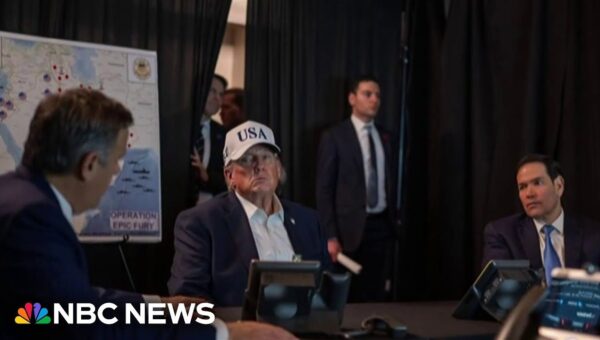
Trump: Iran Strikes Ahead of Schedule, Expects ‘Great Deal for World’
Three U.S. service members have been killed amid escalating conflict with Iran, President Trump confirmed. He stated that strikes are ahead of schedule, with senior Iranian leaders killed, and expressed optimism for a "great deal for the world" despite ongoing talks with Iranian officials.
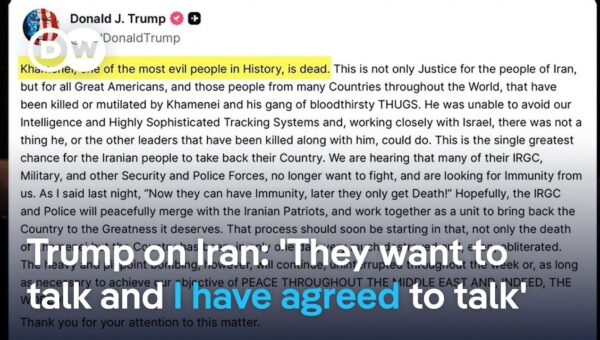
Trump Agrees to Talks with Iran After Major Strikes
President Donald Trump has agreed to talks with Iran's leadership following coordinated strikes that reportedly killed key figures, including the Supreme Leader. While Trump claims significant military successes, U.S. strategy remains unclear, and public opinion shows limited support for the actions amid rising American casualties.

Trump’s Putin Stance: US Strategy and Global Implications
Analysis suggests Donald Trump's approach to the Ukraine war involves pressuring Kyiv, but US involvement is crucial for resolution. China's influence and the 'MAGA' agenda's geopolitical implications are key factors.