Kremlin’s Silence Hides Elite Power Struggle Amid War Woes
The Kremlin's imposition of internet blackouts conceals a fierce internal power struggle as rival factions vie for control amidst war failures. This elite conflict, coupled with Ukraine's strategic strikes and economic woes, is destabilizing Putin's regime.

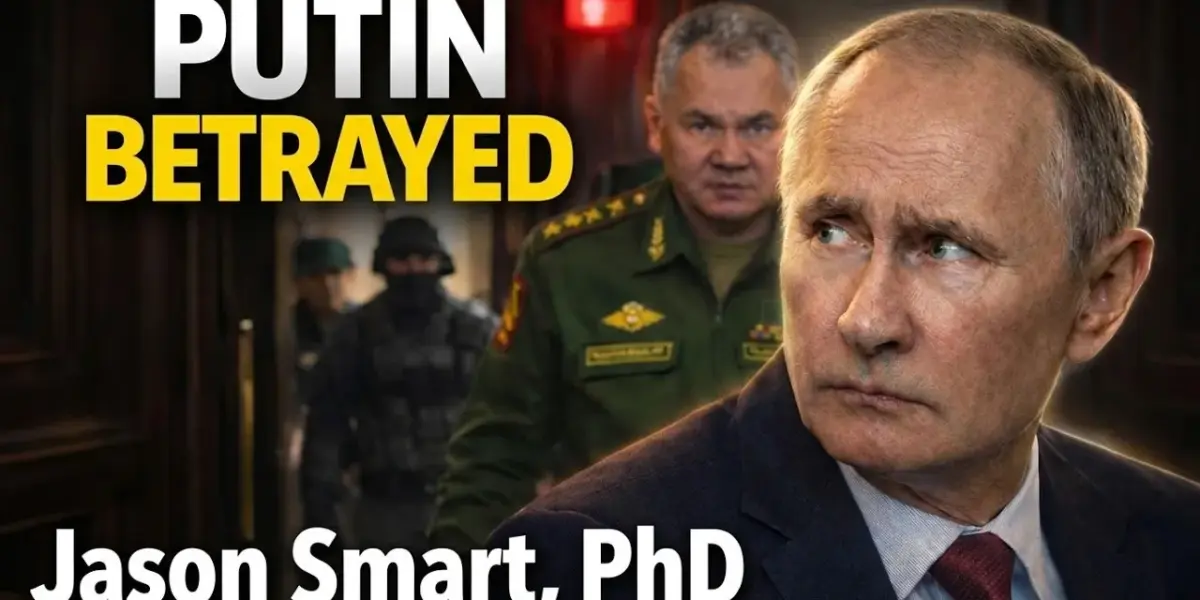
Kremlin’s Silence Hides Elite Power Struggle Amid War Woes
MOSCOW – Days of mobile internet outages across Moscow and St. Petersburg are not mere technical glitches but a calculated move by the Kremlin to conceal a fierce power struggle at the heart of Russia’s leadership. This enforced silence aims to mask a purge as rival factions battle for accountability amidst mounting military failures and unsustainable war costs. The escalating conflict within the elite is unfolding against a backdrop of increasing insecurity on Russia’s own territory, with oil refineries ablaze and depleted state coffers strained by the ongoing war in Ukraine.
Internal Turmoil and the Cost of War
The war in Ukraine is not only proving increasingly costly in terms of financial resources and military setbacks but is also exacerbating internal political tensions within Russia. Strikes deep inside Russian territory are reportedly accelerating a clan war within Moscow, leading to the dismantling of old protection networks and the targeting of the former military elite. Homes are being raided, and assets frozen, as a new faction consolidates power, sacrificing old generals to ensure its own survival. This internal strife suggests that the system painstakingly built by Vladimir Putin is beginning to fracture, pushing his regime to a precarious edge.
Dr. Jason Smart, a special correspondent and national security advisor, explains that the internet outages are merely a symptom of a deeper problem: the elites are actively deciding Russia’s future while the war becomes more expensive and the nation’s rear becomes less secure. These disruptions have already had a tangible economic impact, costing businesses an estimated $38 to $63 million in just five days. Meanwhile, Ukraine’s continued strikes deep within Russia are unsettling the populace, particularly as oil and gas revenues, crucial for funding the war, have plummeted by 47% year-over-year due to sanctions and Ukrainian attacks. Officials are now contemplating 10% cuts to non-essential spending, highlighting the severe financial strain.
The Shoygu Clan Under Pressure
A key indicator of the internal turmoil is the downfall of figures associated with the former defense minister, Sergey Shoygu. Rouslan Salikhov, Shoygu’s longtime first deputy, who managed the ministry’s finances and contracts, has been implicated, signaling a potential unraveling of Shoygu’s influence. The arrests and impending trials of former deputy defense ministers Timur Ivanov, Dmitri Bogakov, and Pavel Popov further underscore this trend. These individuals, once considered untouchable under Shoygu’s protection, now face humiliation and imprisonment. Even Shoygu himself, despite his close ties to Putin, appears to be losing his grip, with his demotion serving as a public demonstration that his ability to protect his allies is waning.
Igor Sechin’s Ascendancy
As the Shoygu faction weakens, Igor Sechin, a long-time confidant of Putin with deep ties to St. Petersburg, is reportedly consolidating power. Sechin, who heads Rosneft, Russia’s largest oil company, is strategically positioning his allies in key government roles. This shift is evident in the appointment of Andrey Belousov, widely seen as Sechin’s ally, as the new defense minister, replacing Shoygu. Belousov is expected to replace Shoygu appointees with individuals loyal to Sechin, tightening control across Russia.
Further illustrating this power play is the appointment of Ivan Timofeev, a close associate of Sechin and former head of a Federal Security Service (FSB) directorate responsible for financial oversight, as the top military counter-intelligence officer. This move places him in charge of monitoring the military’s vast budget, potentially uncovering fraud and waste, which can then be used to dismantle rival networks and consolidate power. This prosecution of Shoygu’s clan is seen as a move to secure total control.
Economic Strain and Strategic Strikes
The internal purges are occurring against a backdrop of significant economic challenges for Russia. Rosneft’s own financial reports indicate a broad deterioration, with significant drops in revenue, EBITDA, net income, and free cash flow. Pre-tax profits in the oil and gas sector have fallen by nearly 64%. This decline in oil and gas revenues, a primary source of national income, is compounded by broader economic woes. Official statistics show a concerning trend, with 27% of Russian enterprises operating at a loss, totaling nearly $112 billion. The state shipping giant Sovcomflot and Russian Railways are also reporting substantial losses and debts, indicating systemic logistical and economic problems that affect the entire country.
Ukraine’s strategic strikes are exacerbating these economic vulnerabilities. Attacks on critical infrastructure, such as the Kremlyevsk factory producing missile guidance electronics and the Kirovo-Chepetsk facility manufacturing chemicals and ammonia for explosives, are hitting Russia’s war-making capabilities and industrial base hard. These facilities are difficult to replace, further straining Russia’s resources and highlighting the increasing insecurity of its rear.
Consolidation of Power and Growing Paranoia
The Kremlin’s actions, including the internet blackout and the visible purges, signal a growing sense of crisis and paranoia within the regime. The consolidation of wealth is evident, with one in eight Russian billionaires reportedly having their assets nationalized or seized. Those aligned with Sechin and the intelligence services are accused of exploiting the situation to enrich themselves amidst dwindling national resources. This environment of fear and uncertainty is further fueled by recent leaks, such as documents from the United Russia party detailing the collection of compromising material on potential election candidates, suggesting a move towards absolute control through blackmail.
Internationally, Russia faces further condemnation. A United Nations body has described Russia’s removal of Ukrainian children as “systematic, institutional, and coordinated,” directly implicating Vladimir Putin. This adds to the existing arrest warrant from the International Criminal Court (ICC) over alleged war crimes.
The Future of Putin’s Regime
Faced with mounting pressure on the front lines, internal dissent, and international isolation, Vladimir Putin appears to be increasingly reliant on clandestine operations and espionage to regain footing. However, even these efforts are reportedly faltering, as evidenced by the arrest of a Russian intelligence operative in Colombia, facilitated by simple communication errors. The confluence of war, economic decline, and a breakdown of trust is pushing the regime towards potentially disastrous decisions driven by fear. The ongoing internal conflict within the Kremlin, akin to a “bulldog fight under a rug,” is becoming a significant destabilizing factor for Russia, leaving the ultimate outcome and the fate of those involved uncertain.
Source: Kremlin Silence Signals Betrayal (YouTube)

Related Articles
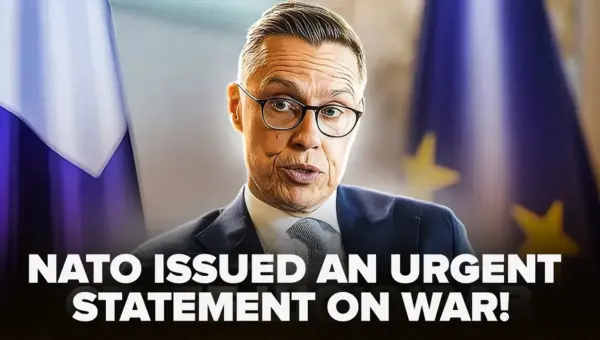
Ukraine Strikes Russian Oil Refinery, Eyes Iran Threat
Ukrainian forces struck a key Russian oil refinery, disrupting Moscow's war capabilities. Meanwhile, Finland's president urged continued U.S. support for Ukraine, as Kyiv shares its air defense expertise globally amid growing geopolitical complexities involving Iran and potential sanctions against Hungary.

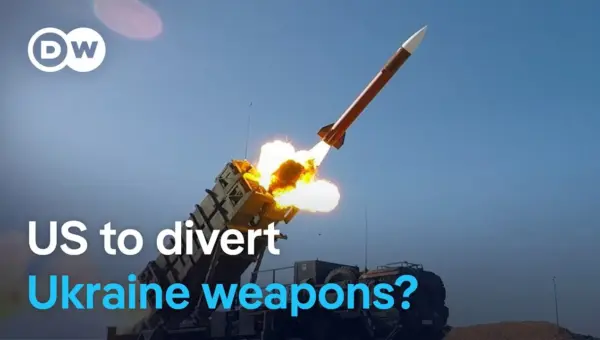
US Weighs Shifting Ukraine Weapons to Iran Amid Missile Shortage
The U.S. is reportedly considering diverting weapons destined for Ukraine to support operations against Iran, driven by rapidly depleted missile stocks. This potential shift raises concerns about Ukraine's defense capabilities and highlights the complex interplay between global conflicts.

G7 Allies Clash Over Iran War Strategy, Urge Focus on Russia
G7 foreign ministers met in Paris, revealing deep divisions over the U.S. war with Iran. European allies urged the U.S. to pressure Russia, linking its actions to the conflict and fearing support for Ukraine will wane.