Kremlin TV Rages, Blames NATO for Drone Attacks
Russian state TV is ablaze with accusations against NATO for recent drone attacks, pushing a narrative of victimhood. Meanwhile, Kremlin propagandists are re-examining the Bucha massacre with a new, fabricated timeline. These shifts occur amidst admissions of Russian weapon shortages and growing economic pressure.

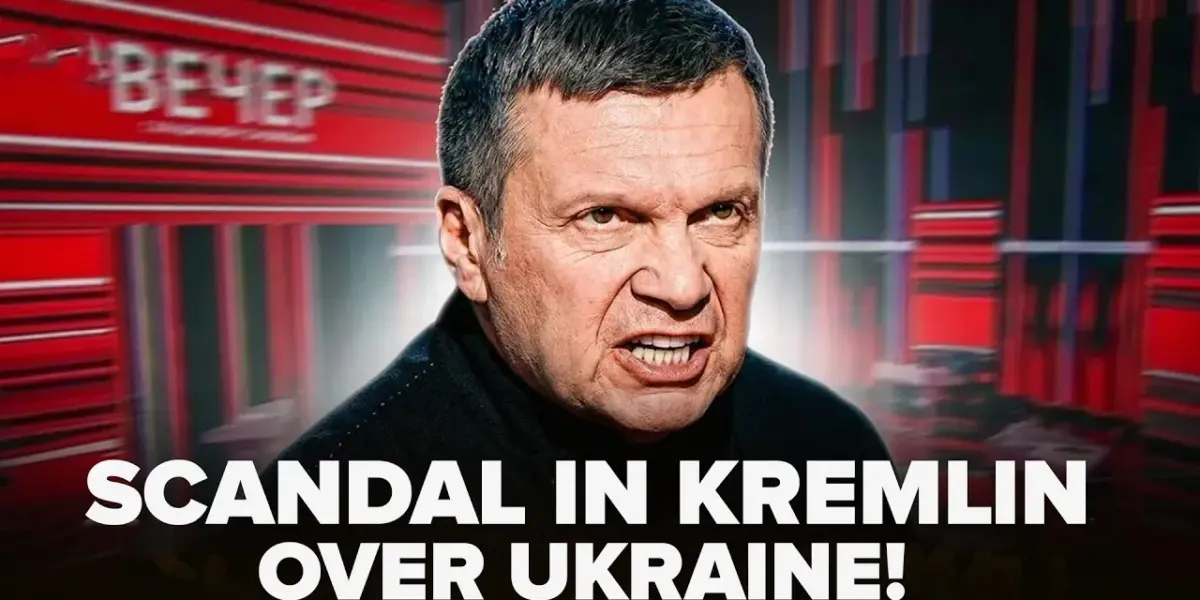
Kremlin TV Rages, Blames NATO for Drone Attacks
Russian state television, often seen as a mouthpiece for the Kremlin, has recently featured heated discussions and accusations directed at NATO and Western nations. Prominent figures on these shows, like Vladimir Solovyov, have voiced extreme rhetoric, calling for the destruction of Ukraine and the West. This aggressive posturing comes amidst shifting narratives and internal criticisms regarding Russia’s military performance and resource availability.
Shifting Blame Amidst Military Setbacks
A significant point of contention on Russian state TV has been the origin of drone attacks within Russian territory. Following strikes on the port of Ust-Luga in the Leningrad region, a key hub for oil product exports, Russian commentators have pointed fingers at NATO. The port is vital, having handled approximately 32.9 million tons of oil products last year. The narrative pushed is that Ukrainian drones could not reach such targets independently, implying a more direct NATO involvement. This has led to accusations that NATO, specifically through British involvement in arming and assembling explosive payloads, orchestrated these attacks. State media claims that drones were launched from factory sites, fueled, assembled, and armed with explosives, suggesting a coordinated effort beyond Ukrainian capabilities.
This accusation of NATO involvement is particularly notable given Finland’s recent official statements. Finnish representatives have indicated that they did not intercept certain drones as they posed no threat. Russian television has interpreted this as tacit coordination with NATO headquarters, suggesting a deliberate decision by military personnel to initiate conflict with Russia, even against the wishes of figures like former U.S. President Trump.
Revisiting Bucha: A Propaganda Offensive
Russian television has also intensified its efforts to push a counter-narrative regarding the Bucha massacre. Exactly four years prior to recent broadcasts, on April 2, 2022, Ukraine announced the liberation of the Kyiv region. What was discovered in Bucha shocked the world. Russian troops occupied the town from late February to late March 2022. Ukrainian officials reported that 561 civilians died, including 12 children, with evidence of mass killings found by journalists and soldiers. Bodies were discovered in the streets, some with their hands bound.
However, Russian state media now claims full denial of responsibility. They assert that investigations by international bodies have produced no definitive answers regarding the victims’ identities, political views, or the exact circumstances of their deaths. Russian state TV promotes the idea that the tragedy in Bucha began three days after Russian troops left, with alleged satellite images showing empty streets followed by the arrival of gangs. They claim that Ukraine, with the help of British public relations firms, fabricated the events and that the name “Bucha” was chosen specifically for its similarity to the English word “butcher.” This narrative attempts to portray the victims as pro-Russian individuals killed by Ukrainian forces, a claim that contradicts extensive international documentation and witness testimonies.
Threats and Geopolitical Aspirations
The rhetoric on Russian state TV has extended to direct threats against European officials. German Foreign Minister Annalena Baerbock was a target of intense criticism and threats on these programs. Russian commentators evoked Germany’s Nazi past, drawing parallels and making explicit threats. One commentator stated, “We will kill you all, you included. We will kill you all. You, your entire lineage is guilty before the Soviet people for the crimes committed.” These statements are presented as a response to German support for documenting Russian war crimes.
Beyond direct threats, there are discussions about broader geopolitical shifts. Russian state media suggests a potential alignment between Russia and a future U.S. administration under Donald Trump, envisioning joint military actions against Europe. This perspective posits that Europe is facing economic decline, potentially leading to internal conflicts. The narrative suggests that Europe is inadvertently prolonging the war in Ukraine by opposing U.S. policies, rather than seeking peace.
Internal Doubts and Resource Concerns
Despite the aggressive external rhetoric, there are indications of internal concerns within Russia. On the same television programs where threats are issued, there have been admissions of weapon shortages. Solovyov himself has reportedly acknowledged a lack of sufficient weaponry, an admission used to explain the perceived failure of Russia’s spring offensive. This highlights a potential disconnect between the propaganda narrative and the reality on the ground.
The economic impact of sanctions is also acknowledged, with a desire for them to cause a faster collapse of the Russian economy. The argument is made that Russia’s previous advantage in a war of attrition is diminishing as its economic growth has slowed. This suggests a growing awareness within Russian media circles that the conflict is becoming a prolonged struggle where resource availability is a critical factor.
Strategic Implications
The aggressive rhetoric and shifting narratives on Russian state television reflect a Kremlin struggling to maintain a favorable information space amidst military challenges. The accusations against NATO regarding drone attacks serve to deflect blame for strikes on critical infrastructure and to portray Russia as a victim of aggression. This narrative aims to rally domestic support and potentially sow discord within the Western alliance.
The renewed focus on Bucha is a clear attempt to undermine Ukraine’s international standing and discredit evidence of Russian war crimes. By questioning the integrity of investigations and fabricating alternative timelines, Russia seeks to erode global sympathy for Ukraine and justify its actions. The direct threats against European officials signal a willingness to escalate rhetoric and intimidate those who support Ukraine.
However, the admissions of weapon shortages and the acknowledgment of economic pressures suggest that the Kremlin is facing significant internal challenges. The prolonged nature of the conflict and the effectiveness of Western sanctions are impacting Russia’s military capabilities and economic stability. This juxtaposition of aggressive propaganda and underlying vulnerabilities highlights the complex and evolving nature of the conflict.
Source: 😱Solovyov will be FIRED after this! Wild shouting in studio. They turned against Kremlin (YouTube)

Related Articles

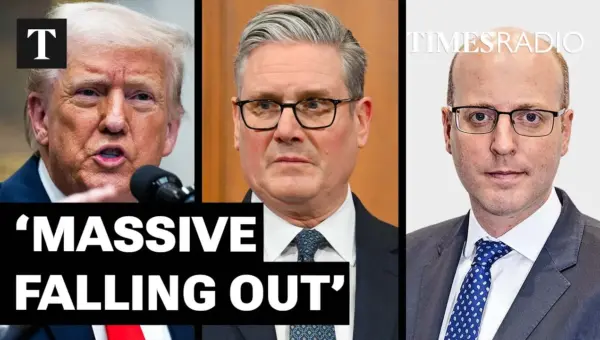
US Furious With UK Over Iran War Stance, Allies Face Fallout
The United States is reportedly furious with the UK's stance on the Iran conflict, threatening to reassess allied support. Prime Minister Keir Starmer has voiced frustration with global leaders like Trump and Putin impacting energy bills, while the UK's own defense plans face delays amid international fallout.
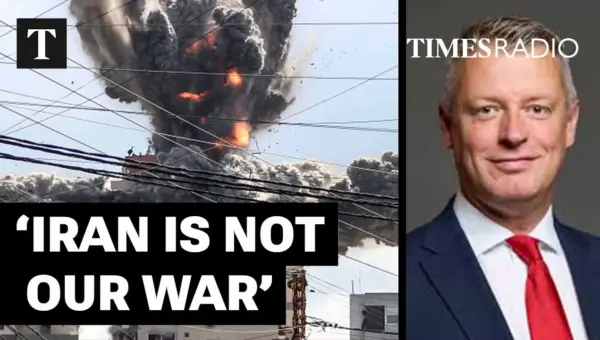
UK Defends Allies But Says ‘Iran Is Not Our War’
Britain is stepping up to defend allies in the Middle East but insists "Iran is not our war," according to the Minister for Defense Readiness and Industry. The UK is focusing on defensive measures and leading international efforts to reopen the vital Strait of Hormuz. The government also addressed concerns about NATO's future and countered Russian aggression against undersea cables.
Ukraine Strikes Cripple Russian Oil Revenue
Ukraine's drone strikes are crippling Russia's oil revenue and exposing defensive vulnerabilities. These attacks are shifting battlefield dynamics, making Russia desperate and potentially hastening the end of Putin's regime. Meanwhile, international alliances face strain amidst evolving geopolitical strategies.