Kremlin Shakes: Elite Discontent Fuels Putin’s Paranoia
Internal turmoil and paranoia are reportedly gripping the Kremlin as President Putin faces growing elite discontent and the realities of the Ukraine war. Meanwhile, Russia's strategic involvement in the Iran conflict highlights complex calculations and potential risks, even as a wider global war remains unlikely.

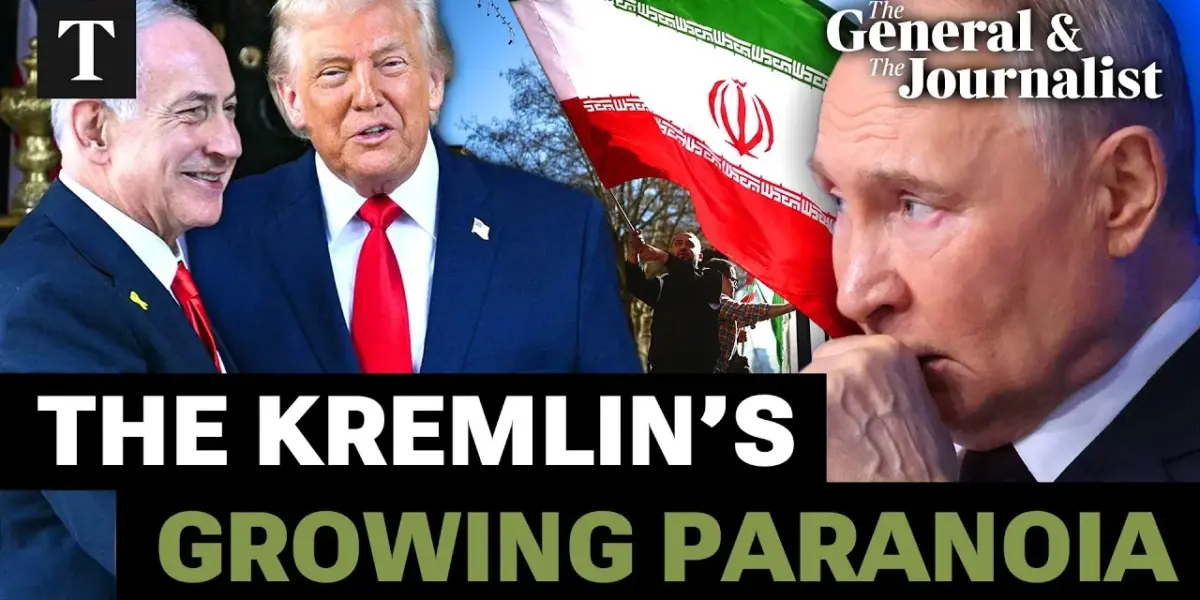
Kremlin Shakes: Elite Discontent Fuels Putin’s Paranoia
Strange events and growing unease within Russia’s elite are fueling speculation about President Vladimir Putin’s grip on power. This internal friction comes as Russia faces continued challenges in its war in Ukraine and navigates complex international relationships, particularly with Iran. The situation suggests a growing disconnect between Putin’s perception of control and the realities on the ground.
Whispers of Discontent Emerge from Moscow
Recent weeks have seen unusual developments in Moscow, sparking widespread discussion among Russia watchers. One notable case involves Ilya Romashov, a prominent pro-Putin blogger who suddenly turned sharply critical of the president. Romashov, known for his fierce online attacks on opposition figures and his strong support for the Ukraine war, posted a message to his 90,000 Telegram followers denouncing Putin. He argued that the president no longer represented the country and had led Russia into a disastrous war with immense losses. He even suggested Putin should be put on trial.
Initially, many assumed Romashov’s account had been hacked. However, he doubled down on his criticism. Shortly after his posts, Romashov appeared in a psychiatric hospital, a move reminiscent of Soviet-era tactics used against dissidents. This incident, along with other odd occurrences, has led to a sense of unease in Moscow.
The War in Ukraine: A Grim Reality
Romashov’s critique highlights a growing sentiment that the war in Ukraine is not going as planned. He described the conflict as a “dead-end war with enormous losses” that could last another five to ten years. This assessment echoes concerns that many ordinary Russians are beginning to feel. Despite the Kremlin’s narrative, reports suggest that the Russian economy is strained, with a significant portion of income going towards food and a cut in non-essential spending.
The war’s prolonged nature and the lack of clear progress are eroding optimism. Experts suggest that Putin may be insulated from the harsh realities of the battlefield by advisors who are reluctant to deliver bad news. This disconnect between leadership and the ground truth could be a significant problem for Putin’s authority.
Security Tightening Amidst Paranoia
In parallel with the internal discussions, security measures in Moscow have visibly increased. Reports of massive internet outages across the country and heavily armed Federal Protective Service commandos guarding the Kremlin walls have fueled speculation. While such security displays can be routine, the current atmosphere of uncertainty makes them appear more significant.
This heightened security is seen as a reflection of the Kremlin’s growing paranoia. The internal disagreements and fractures within the elite are leading to a more reactive and fearful presidential administration. This, in turn, can create more discontent as people feel the leadership is rattled.
Putin’s Fears: Elite Division and Loss of Control
Putin himself was notably absent from public view for ten days, further fueling rumors. When he reappeared, it was within the heavily fortified Kremlin, awarding medals to athletes. His deepest fear, experts believe, is not necessarily a direct coup but a loss of support from the elite – the very people who would normally enforce his will.
He has witnessed the collapse of authoritarian regimes before, like East Germany and the Soviet Union. Putin believes these regimes fell because their elites were divided and failed to act decisively. The Prigozhin mutiny, where many security forces did not actively support or oppose the mercenaries, likely reinforced this fear. His nightmare scenario is that when a challenge arises, his security apparatus will simply stay home instead of cracking down.
The Iran War: A Complex Calculation for Russia
Russia’s involvement in the conflict in Iran presents a different set of challenges and opportunities. While the war in Ukraine is characterized by evolving tactics and technology, the Gulf conflict is described as a standoff, playing to Israel’s and the US’s technological strengths.
Russian military observers are drawing contrasting lessons from these conflicts. Some see the Gulf war as validation for high-tech, precision-guided munitions and reconnaissance strike complexes. Others, like Chief of the General Staff Gerasimov, believe that technological superiority alone cannot deliver victory. They argue that mass, weight, and good old-fashioned firepower are still crucial, suggesting a need to rebuild the military along more traditional lines, albeit with modern technology.
Putin’s Goals in the Middle East
Putin’s approach to the Iran conflict appears strategic. His favored outcome seems to be a weakened but surviving Iranian regime. Russia has few true allies, relying more on pragmatic, temporary partnerships. Even allies like China and Iran have competing interests with Russia.
The Iran war offers Russia an opportunity to observe the widening gaps between the US and its European allies. By providing minimal assistance to Iran, Russia can conserve its resources while potentially gaining leverage. This move also carries risks, particularly concerning potential reactions from figures like Donald Trump, should American lives be endangered due to Russian intelligence sharing.
Ukraine’s Struggle for Attention
The international focus on the Iran war has inevitably drawn attention away from Ukraine. This shift comes at a critical time for Kyiv, potentially impacting the supply of vital military aid. Ukraine is working to offset these setbacks by providing specialists in counter-missile and counter-drone technologies to the Gulf region.
However, Ukraine’s primary concern remains the financial backing for the war. European nations are facing economic challenges, and disagreements over financial aid, particularly from countries like Hungary, could jeopardize continued support. The fear is that rising energy and food prices, exacerbated by the conflict, could strain European economies and political systems to their breaking point.
No World War III on the Horizon
Despite the complex geopolitical tensions, the prospect of the Iran war escalating into a global conflict like World War II seems unlikely. The fear of mutually assured destruction remains a significant deterrent. While ideological fervor exists, pragmatic politicians in major powers are still willing to de-escalate when necessary.
This cautious approach, learned in the shadow of the atomic bomb since 1945, suggests that even in times of crisis, leaders will seek to avoid full-scale global confrontation. The world is likely to be saved by what one analyst called “gray politicians” – those who, while capable of technical maneuvers, are ultimately willing to step back from the brink.
Source: Putin vs Iran: How the Gulf War Impacts the Ukraine Conflict (YouTube)

Related Articles
Ukraine Hits Russian Oil, Pentagon Eyes Aid Shift
Ukraine's strikes are crippling Russian oil exports, with 40% of capacity offline. Meanwhile, the Pentagon may shift air defense aid to the Middle East. Ukraine is countering by deepening ties with Saudi Arabia and other Gulf nations, leveraging its combat experience.

Stocks Ignore War Risks, Focus on “Taco Moments”
Stock markets appear to be overlooking the severe supply chain risks stemming from the Iran conflict, focusing instead on potential diplomatic de-escalations. While the S&P 500 shows resilience, bond and commodity markets signal deep concern over disruptions to critical resources like LNG, helium, and fertilizers.
Ukraine Strikes Russian Oil Refinery, Eyes Iran Threat
Ukrainian forces struck a key Russian oil refinery, disrupting Moscow's war capabilities. Meanwhile, Finland's president urged continued U.S. support for Ukraine, as Kyiv shares its air defense expertise globally amid growing geopolitical complexities involving Iran and potential sanctions against Hungary.