Kremlin Saw Trump as Key Asset, Analysis Reveals
Analysis suggests Moscow viewed Donald Trump as a key "asset" rather than a recruited agent. This perspective allegedly shaped Russian efforts to influence U.S. policy, particularly concerning the 2016 election and ongoing geopolitical conflicts. The piece details alleged Russian engagement with Trump since the 1970s and explores the implications of these connections on international relations.

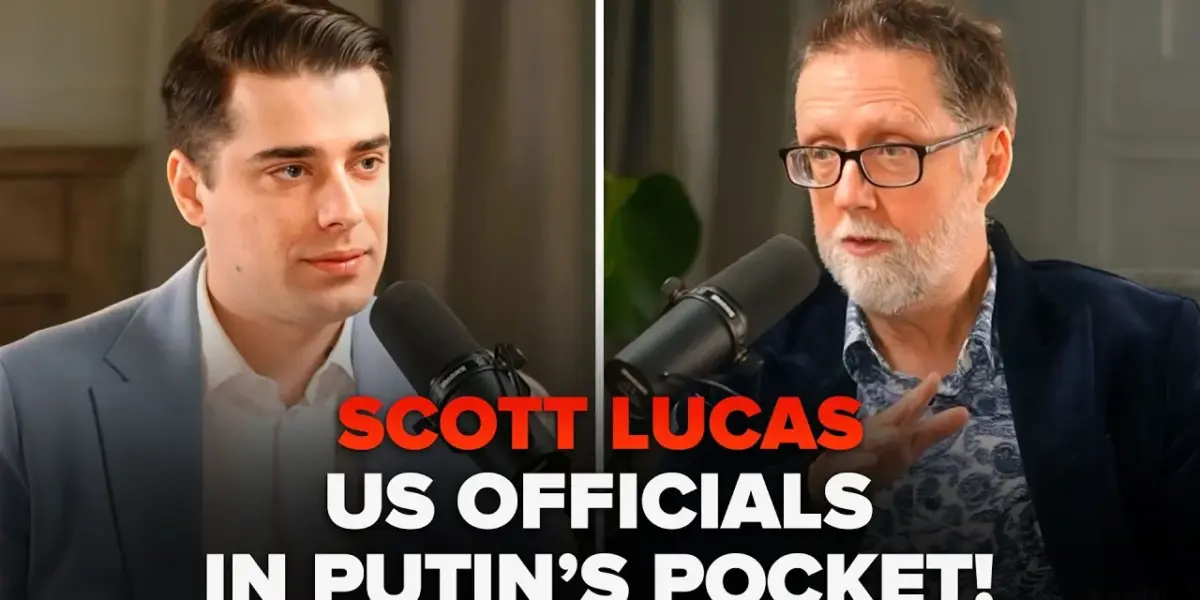
Kremlin Viewed Trump as Key Asset, Analysis Suggests
New analysis of Russia’s intelligence operations suggests Moscow viewed Donald Trump not as a recruited agent, but as a valuable “asset.” This distinction is crucial, according to experts. Unlike an agent who is actively recruited and directed by an intelligence service, an asset may not even be aware they are being influenced. The Soviets and later Russians reportedly worked to cultivate relationships with Trump since the late 1970s. This included attempts by Czech services, due to his first wife being Czech, and later by Russians in New York City.
These efforts aimed to establish connections, with Trump himself reportedly unaware of the intelligence services’ underlying motives. His business dealings, including significant property acquisitions by Russian individuals in his developments and the sale of his Florida home for a reported $95 million, are highlighted as potential points of connection. Trump’s 2013 trip to Moscow, where he met with Russian billionaires and officials, is also noted as a period of engagement.
The 2016 Election and Russian Interference
The analysis strongly asserts that Russian intervention in the 2016 U.S. presidential election aimed to help Trump win. The claim dismisses accusations of “Russiagate” being a hoax. The core question, according to the analysis, is whether Trump knew the extent of Russian desire for him to enter the White House. The answer provided is a definitive “yes.”
Evidence cited includes a meeting where a figure with Russian leadership contacts reportedly offered Hillary Clinton’s emails to a Trump campaign staffer. Further, Donald Trump Jr.’s positive reaction to an offer of damaging material on Clinton and his invitation to a meeting in Trump Tower are presented as significant indicators.
While the Russians may not have had the promised information readily available, their actions, including the use of WikiLeaks to release Democratic National Committee emails, are seen as confirming their view of Trump as an asset. This perspective was reportedly reinforced in 2017 when, shortly after firing FBI Director James Comey, Trump allegedly shared U.S. intelligence secrets with Russian officials during a meeting in Washington.
Summit Diplomacy and Strategic Setbacks
The analysis details diplomatic engagements, including a summit between President Trump and Vladimir Putin. It suggests that while Trump may have desired to please Putin, his own interests and external pressures sometimes created friction. A notable event occurred around July 4th, 2025, when intense Russian attacks on Ukrainian cities prompted public criticism from Trump on social media. This response reportedly led Russia to seek a face-to-face meeting to ease potential sanctions.
However, the optics of the summit, with a red carpet welcome for Putin and Trump appearing “defeated” afterward, masked underlying tensions. It is suggested that in a private meeting, Putin’s lengthy historical lectures and presentation of maps related to Ukraine’s status frustrated Trump, who sought a tangible deal. The lack of a breakthrough at this summit is attributed to the U.S. administration’s unwillingness to cede territory like the Donbas.
Sanctions and Shifting Influence
Following the summit’s lack of progress, the Trump administration imposed sanctions on Russian oil companies and their customers, significantly impacting Russian revenues. The analysis posits that when efforts with Trump seemed stalled, the Kremlin shifted focus to other figures within Trump’s circle, such as Steve Bannon.
A leaked phone call reportedly showed Bannon advising a Russian official on how to appease President Trump and influence policy, particularly concerning the provision of long-range missiles like Tomahawks to Ukraine. The analysis suggests that Russian officials, including Yuri Ushakov, engaged with Bannon, who had been psychologically profiled by the Russians. They reportedly steered the White House away from appointing a more security-focused envoy like General Keith Kellogg, favoring individuals seen as more amenable to deals.
The Role of Jared Kushner and an Ultimatum
By October 28th, the narrative continues, Steve Bannon and Jared Kushner, described as compromised by significant investments, met with a Russian official. This meeting resulted in a “28-point ultimatum” rather than a peace plan. The proposal reportedly involved Ukraine ceding the entire Donbas region. This development is seen as undermining efforts to secure Ukraine’s safety.
Negotiations and the Path Forward
The analysis touches on the Istanbul talks in April 2022, which it argues were less genuine negotiations and more an attempt by Russia to impose terms. The failure of these talks is linked to Russian mass killings of civilians, such as those in Bucha, and additional Russian conditions that derailed the process. The current negotiation landscape, including potential talks in Geneva, is described as a stalemate, with Russia participating to avoid alienating Trump and to pursue its demands, including control of the Donbas and the prevention of significant Ukrainian reconstruction.
From Ukraine’s perspective, continuing talks serves to project an image of good faith. However, the analysis concludes that Russia does not intend a genuine ceasefire. The war in Iran is seen as providing Russia with breathing room. The future of the conflict is uncertain, with possibilities ranging from a prolonged low-intensity conflict to a potential, though unlikely, Russian military collapse leading to Putin’s downfall. The exhaustion of Russia, mirroring that of the Soviet Union in the 1980s, is presented as a potential long-term factor.
The article concludes by reflecting on Ukraine’s resilience and spirit, suggesting that despite immense losses, the nation’s desire for improvement and integration into Europe offers a hopeful outlook. This contrasts with the perceived stagnation and internal struggles within Russia.
Source: ⚡️Putin’s ASSETS in the White House! US leadership COMPROMISED @WorldatStake24 (YouTube)

Related Articles

Objects in Orbit Hint at Pre-Human Intelligence
New scientific papers suggest artificial objects orbited Earth before human satellites, hinting at non-human intelligence. Declassified CIA documents also reveal serious investigation into psychic abilities via Project Stargate. These developments challenge our understanding of history and the universe.
US Overreaches in Iran Standoff, Experts Warn
U.S. military experts warn President Trump has overextended American capabilities in the escalating standoff with Iran. With significant troop deployments and Iranian threats, the situation is precarious. Experts call for a clear strategy and a diplomatic "off-ramp" to avoid wider conflict.

Health Officials Brace for Trump’s Nuclear Fallout
World Health Organization officials are updating training for nuclear fallout scenarios, signaling serious concerns about potential conflict escalation under Donald Trump. The use of the word 'eventually' suggests a perceived high probability of a nuclear incident, highlighting grave geopolitical risks.