Kremlin Fears Coup as Putin’s Regime Faces Collapse
Analysts warn that Vladimir Putin's regime is nearing collapse due to the strain of the prolonged war in Ukraine, fueling fears of a coup. Hungary's obstruction of EU sanctions and Russia's escalating provocations highlight internal divisions and the need for a stronger Western response.

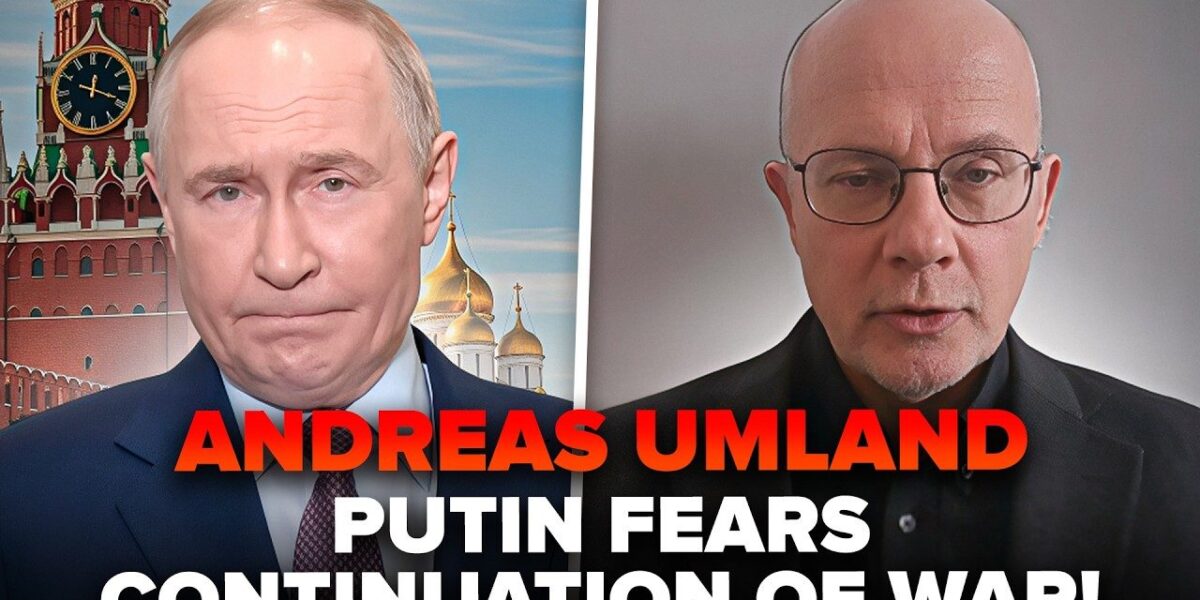
Putin’s Regime on Brink: Experts Warn of Collapse Amidst War Strain
In a stark assessment of the ongoing conflict and its impact on Russia, analysts are voicing concerns that President Vladimir Putin’s regime is teetering on the edge of collapse. The Kremlin’s prolonged and costly war in Ukraine has created significant internal pressures, leading to fears of a potential coup and a weakening of state stability. This analysis comes as international bodies and national capitals grapple with Russia’s escalating provocations and the need for a more robust response.
Hungary’s Sanctions Blockade and EU Fragmentation
The European Union faces internal divisions, exemplified by Hungary’s obstruction of the 20th package of sanctions against Russia. Hungarian Prime Minister Viktor Orbán has threatened to veto these measures and withhold crucial aid to Ukraine until Russian oil transit through the Druzhba pipeline to Hungary and Slovakia resumes. This stance not only weakens the united European front against Russia but also highlights a broader trend of fragmentation within the EU.
Andreas Omland, an analyst at the Stockholm Center for Eastern European Studies, expressed concern over this development. “Unfortunately, Putin has been already to a certain degree successful in this attempt to fragment the European Union,” Omland stated, adding that the EU was not designed for such prolonged conflicts. He criticized Hungary’s actions, noting that its historical experience with imperialism should theoretically make it a staunch ally of Ukraine, not an antagonist.
Omland also commented on Orbán’s open letter to Ukrainian President Zelenskyy, in which Orbán accused Zelenskyy of an anti-Hungarian position and called for the reopening of the Druzhba pipeline. Omland suggested that Orbán’s behavior is linked to domestic election campaigns, where he aims to use Ukraine as a diversionary issue to distract from Hungary’s economic and social problems and its alleged misuse of EU funding.
US Policy and the Shifting Sands of Diplomacy
The United States’ approach to the conflict has also come under scrutiny. When questioned about potentially increasing pressure on Russia, US Secretary of State Rubio’s response, emphasizing that the US sells weaponry to Ukraine but not to Russia, was met with criticism. Omland found this statement contradictory to US obligations under agreements like the 1994 Budapest Memorandum, which obliged the US to respect Ukraine’s borders and sovereignty.
“The US is selling weapons to European countries that then give these weapons to Ukraine is simply a good business for for the US… and cannot be simply regarded as help because US companies are profiting from this sale of weapons.”
Omland suspects that such policy directives may originate from the White House, with an approach aimed at ending the war through pressure on Kyiv rather than sufficient pressure on Russia. He warned that such a strategy, potentially involving Ukraine ceding territory, could embolden Moscow’s expansionist ambitions further.
The Theater of Peace Talks
The ongoing peace talks, particularly those involving US figures like Kurt Volker in Geneva, are characterized by Omland as “negotiation theater” rather than genuine diplomatic efforts. He pointed to the glaring absence of the European Union as a key indicator that these talks are largely symbolic.
According to Omland, Russia uses these talks to influence figures like Donald Trump, presenting itself as amenable to compromise. Ukraine, on the other hand, participates to demonstrate its willingness for a ceasefire and to highlight concessions made. The lack of EU representation in these discussions, Omland argued, renders them largely ineffective. He recalled the 2014 Geneva talks, which involved Russia, Ukraine, the US, and the EU, as a more productive format.
The outcome of these “peace talks,” Omland lamented, has been an increase in civilian casualties, suggesting they are inadvertently fueling the conflict rather than resolving it. “The peace talks bring more death and more war to Ukraine,” he asserted.
Putin Trapped: The Unwinnable War
Many experts believe Putin is “trapped” in the war, unable to achieve his initial objectives or extricate Russia without significant domestic political repercussions. Omland agrees with this assessment, stating that a withdrawal would be perceived as a concession and a failure to achieve war aims, posing a domestic political problem for Putin, especially with the presence of hawkish elites demanding victory.
The current stable front lines, coupled with Russia’s increasingly precarious economic and social situation, leave Putin in a difficult position. He needs to present a victory to his domestic audience, but achieving this has become increasingly challenging. Omland suggested that a missed opportunity for a resolution occurred during a meeting with Trump, where a potential economic deal and a ceasefire along the current front lines could have been agreed upon.
Forecasting the Unforeseeable: War Scenarios and Black Swans
Forecasting the future of the war remains notoriously difficult. Omland anticipates a continuation of the war of attrition, with the situation potentially remaining similar to the present in a year’s time. However, he does not rule out “radical developments” in the Russian economy or on the front lines, citing the Prigozhin mutiny as an example of unexpected events.
Philosophically, Omland believes the Russian Empire, like other empires before it, will eventually collapse. While the timing and nature of such an event are unpredictable, he acknowledges the possibility of “black swan” events—unforeseen occurrences that could destabilize the Russian political and socioeconomic system.
NATO’s Indecision and Russia’s Escalatory Tactics
Recent incursions by Russian drones and fighter jets into NATO airspace are seen as deliberate provocations designed to test the alliance’s response and sow insecurity. Omland expressed concern that NATO and the EU have not responded forcefully enough to these actions, potentially emboldening Russia to escalate further.
“I find it worrisome that the EU and NATO have not responded in that way because it now suggests to Moscow that it can go further, that it can try new things and that it will become more provocative, more escalatory and the stakes will increase.”
Omland advocated for a more resolute response, suggesting that NATO should have retaliated with similar actions, such as flying NATO drones into Russia, to signal a clear deterrent. He believes Russia is unlikely to initiate a direct war with NATO at this stage, given its stretched resources. The key, he emphasized, lies in the EU and NATO seeing through Russia’s attempts to distract and adequately responding to its provocations.
Looking Ahead: The Fragile Stability of the Kremlin
The coming months will be critical in observing whether the Kremlin can maintain its grip amidst mounting internal and external pressures. The effectiveness of the EU and NATO’s response to Russian provocations, coupled with the ongoing war of attrition in Ukraine, will likely shape the trajectory of Putin’s regime. The possibility of unexpected internal developments within Russia, akin to the Prigozhin mutiny or even more significant regime instability, remains a significant factor to watch.
Source: ⚡️Kremlin fears a coup! Putin’s regime is collapsing. Russia can no longer withstand the war (YouTube)

Related Articles

Europe Faces Post-Cold War Order Collapse After Munich Security Summit
Western leaders at the Munich Security Conference acknowledged the end of the post-Cold War security order, raising concerns for Europe's future. Ukrainian President Zelenskyy urged continued support against territorial concessions, while transatlantic tensions underscored the shifting geopolitical landscape.
Trump’s Putin Stance: US Strategy and Global Implications
Analysis suggests Donald Trump's approach to the Ukraine war involves pressuring Kyiv, but US involvement is crucial for resolution. China's influence and the 'MAGA' agenda's geopolitical implications are key factors.
Melania Trump’s Quiet Diplomacy on Ukraine War
Former First Lady Melania Trump has emerged as an influential, though unofficial, voice on the Ukraine war, reportedly shaping her husband's perceptions and engaging directly on humanitarian issues like the deportation of Ukrainian children. Her advocacy, possibly influenced by her European background, has drawn international attention and sparked unique reactions, including widespread social media support from Ukrainians.