Kirby: US-Iran War Not a Victory, Peace Talks Crucial
Retired Rear Admiral John Kirby stated that the recent conflict with Iran cannot be called a total victory, as key objectives remain unmet, including the full opening of the Strait of Hormuz. Ahead of crucial peace talks, Kirby emphasized the importance of a negotiated settlement to end regional threats and ensure the Iranian regime becomes responsive to its people.

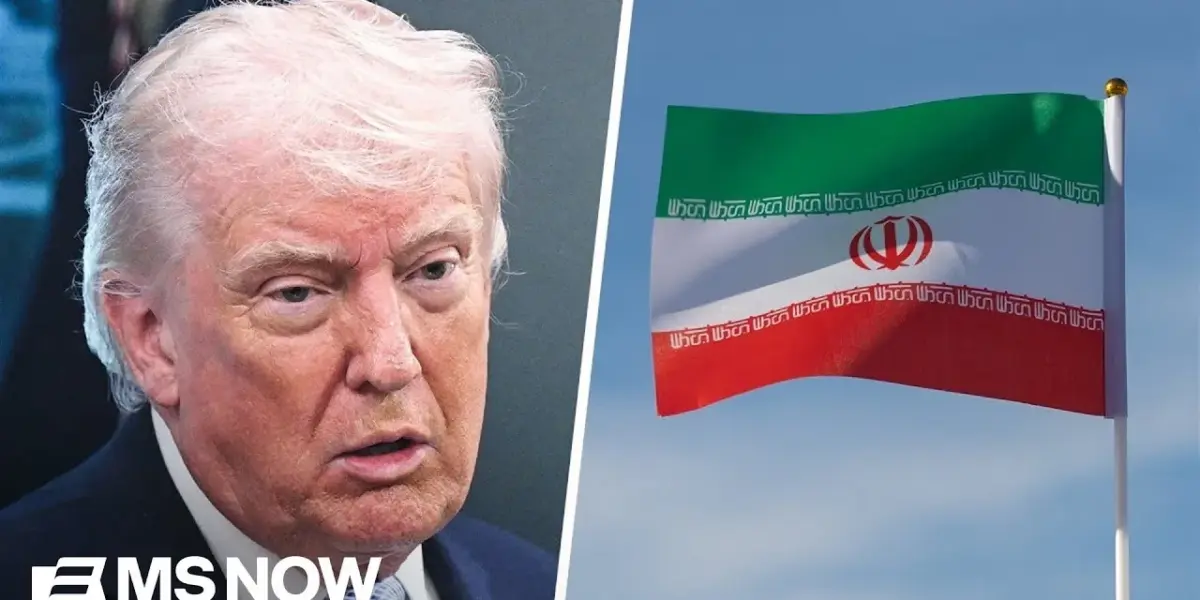
Kirby: US-Iran War Not a Victory, Peace Talks Crucial
Retired U.S. Navy Rear Admiral John Kirby stated that the recent conflict with Iran, despite a ceasefire, cannot be considered a complete victory for the United States. Speaking on Saturday ahead of crucial peace talks, Kirby emphasized that a ceasefire itself indicates the conflict is not over. He argued that key military objectives set by the president were not fully achieved, leaving significant threats unresolved.
Unmet Objectives and Lingering Threats
Kirby detailed several reasons why the 38-day combat operation did not meet the definition of total victory. While the Iranian Navy may have been significantly degraded, Kirby pointed out that Iran still possesses the capability to disrupt the Strait of Hormuz through mines and drones. The use of ballistic missiles, though reduced, continues, with Iran launching around 20 per day, capable of striking targets.
Furthermore, Kirby noted that the initial objective to target Iranian proxy groups like Hezbollah, Hamas, and the Houthis, as well as militia groups in Iraq and Syria, saw little to no action. A major point of contention is that the Iranian regime itself remains in power, despite potential changes in leadership. Kirby stressed that this continuity of the regime is a critical failure to achieve a lasting change.
“Just by dint of the fact that you’re in a ceasefire tells you that it’s not over. A ceasefire is designed to provide breathing space for diplomats to come together and hopefully get some some sustainable peace talks under way.”
John Kirby
The Strait of Hormuz: Iran’s Key Leverage
The Strait of Hormuz emerged as a central point in the discussion, identified by Kirby as Iran’s most significant bargaining chip. He explained that Iran’s proven ability to control traffic through the strait, even by the threat of attacks, gives them considerable leverage. This control, and the fear it induces, is likely to be a primary focus for the U.S. administration in the upcoming negotiations.
Iran, conversely, is also declaring victory and entering the talks with its own set of strong positions. These include the continued presence of enriched uranium within Iran, the survival of the regime, and their persistent ballistic missile and drone capabilities. Kirby believes that securing a reliable and sustainable opening of the Strait of Hormuz will be a top priority for the U.S. during these critical discussions.
The Need for Open Access to Information
The conversation also touched upon the importance of journalistic access to information, particularly during times of conflict. Kirby lamented a federal judge’s ruling that the Defense Department violated a court order by restricting reporters’ access to the Pentagon. He argued that the American people have a fundamental right to know how their tax dollars are being spent and how their sons and daughters are being put in harm’s way.
Kirby, drawing from his experience at the Pentagon podium, highlighted how open scrutiny by an independent media is crucial for informed policy decisions. He explained that when access is restricted and questions are not taken, leadership hurts its own ability to make good choices and to adjust course if policies prove wrong. This lack of transparency, he believes, is self-defeating for the Pentagon itself.
Looking Ahead: Peace Talks and Transparency
With peace talks set to begin, the world watches closely to see if a sustainable resolution can be found. The U.S. aims to neutralize Iran’s threats to its neighbors and ensure the regime is responsive to its people. However, the leverage held by Iran, particularly concerning the Strait of Hormuz, presents significant challenges. Simultaneously, the debate over transparency and access for journalists during wartime underscores the broader need for open communication and accountability in national security matters. The outcome of these negotiations and the Pentagon’s approach to press access will be critical indicators in the coming weeks.
Source: ‘Everybody wants the war to end’: Kirby on high stakes ahead of U.S.-Iran peace talks (YouTube)

Related Articles

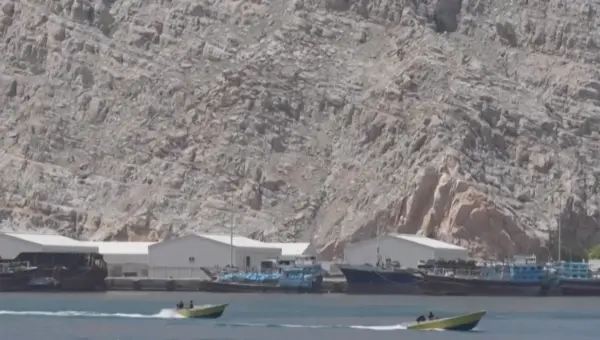
Iran Uses Strait of Hormuz to Pressure Israel-Lebanon Truce
The Strait of Hormuz remains largely blocked with over 3,000 ships waiting, despite a ceasefire agreement. Escalating conflict in Lebanon and Iran's demands for asset release and a Lebanese ceasefire are jeopardizing peace talks. This disruption impacts global energy markets and highlights the region's strategic importance.

Trump’s Inner Circle: Fear of Firing Grips Pentagon
Pentagon officials are reportedly living in fear of being fired by President Trump, with Pete Hegseth allegedly at the top of the list. His recent public performance and lack of results are seen as key factors in his precarious position.


Trump’s Iran Strategy Fuels Global Instability
Reports suggest the US has lost strategic ground in its conflict with Iran, as the Strait of Hormuz remains effectively closed. This has emboldened Iran, disrupted global oil supply, and raised concerns about potential market manipulation by former President Trump.