Kirby: NATO Without US ‘Hard to Comprehend’
Retired U.S. Navy Rear Admiral John Kirby finds the concept of a NATO alliance without U.S. leadership difficult to imagine. He noted relief among allies following a presidential address that omitted criticism of NATO, despite past threats. Kirby also highlighted Secretary of State Marco Rubio's evolving public stance on the alliance.

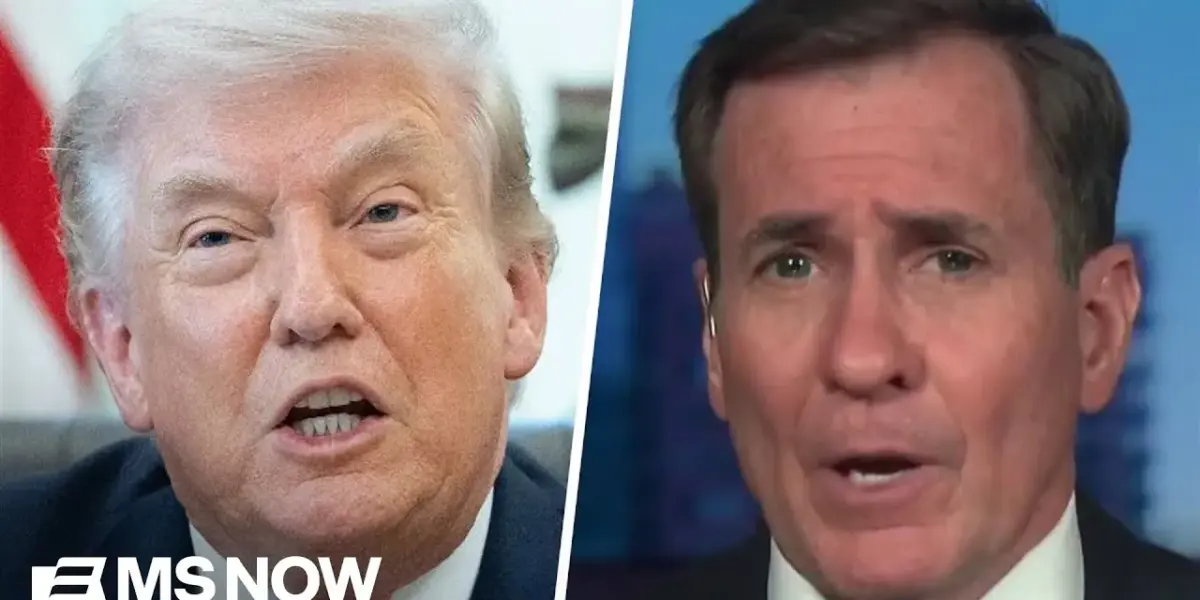
Kirby Expresses Concern Over NATO’s Future Without U.S. Leadership
Retired U.S. Navy Rear Admiral and former White House National Security Communications Advisor John Kirby recently shared his strong views on the potential impact of the United States withdrawing from NATO. Kirby stated that the idea of a NATO alliance without American involvement is something he finds difficult to grasp.
Relief and Lingering Concerns After Presidential Address
During a national address focusing on war, President Trump did not explicitly mention NATO or the U.S. commitment to the alliance. Kirby noted that many in Europe, as well as himself, felt a sense of relief that NATO was not brought up. He explained that the president’s previous sharp and derogatory social media posts about the alliance had led many to expect a direct critique or announcement regarding NATO during the speech.
“I think honestly, although the president didn’t offer a lot of details in terms of where things are going or what the strategy and the ends really are here. I don’t think mentioning NATO was really an important part, a component of that particular speech,” Kirby said. He added that if the speech wasn’t designed to explain ongoing operations, there was no need to name the alliance. This omission, while relieving, does not signal a softening of Donald Trump’s stance on NATO.
Rubio’s Shifting Stance on NATO
The discussion also touched upon the evolving public statements of Secretary of State Marco Rubio regarding NATO. Kirby pointed out a notable shift in Rubio’s recent remarks compared to his earlier positions as a senator. In 2024, Rubio had described NATO as an important alliance that would need to be created if it didn’t exist, highlighting its strategic value against rivals like China and Russia.
However, more recently, Rubio has suggested that the U.S. will have to “re-examine that relationship” and “re-examine the value of NATO and that alliance for our country.” While Kirby acknowledged that Rubio, as Secretary of State, must reflect the President’s policies, he characterized Rubio’s current tone as softer than Trump’s. Kirby believes Rubio is attempting to bridge the gap between his past support for NATO and the current presidential sentiment, suggesting Rubio genuinely believes in NATO’s power but is navigating political realities.
The U.S. Role in NATO’s Strength
Kirby emphasized the critical role of U.S. leadership within NATO. He stated, “It’s hard for me to even comprehend a NATO without the United States in it, without United States leadership.” He argued that American involvement provides the U.S. with a significant voice in steering the alliance’s direction and priorities. It’s more than just burden-sharing; it’s about guiding the collective security strategy.
“I’d hate to see the United States not be a part of that,” Kirby remarked, expressing his concern about a future where the U.S. is not a leader in the alliance. He doesn’t foresee NATO’s immediate collapse but anticipates a significant change in its structure and the U.S. role within it.
Potential for a Diminished U.S. Role
Looking ahead, Kirby worries that the alliance may evolve into a form with diminished American leadership. While not predicting a complete absence of the U.S., he fears a reduction in its influence. This, he believes, would not be in the best interests of the United States or the stability NATO provides.
The conversation also briefly noted a virtual meeting of 35 countries, led by the UK, discussing maritime security in the Strait of Hormuz, notably without U.S. participation. This event raised questions about whether nations are preparing for alliances that do not include the United States, potentially signaling a broader shift in global security partnerships.
What’s Next?
The ongoing debates and public statements surrounding NATO’s future, particularly concerning the U.S. commitment and leadership, will be crucial to monitor. How these discussions evolve and whether they translate into concrete policy changes will significantly impact global security dynamics in the coming years.
Source: 'Hard for me to even comprehend a NATO without the U.S.': Kirby reacts to Trump's NATO threats (YouTube)

Related Articles
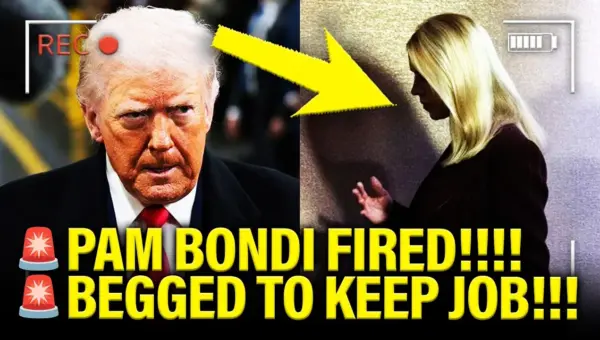
Bondi Begs, Trump Fires: Inside AG’s Dramatic Exit
Attorney General Pam Bondi was reportedly fired by Donald Trump after pleading to keep her job. The dismissal follows scrutiny over her handling of the Epstein files and potential leaks. Bondi remains under subpoena for a deposition regarding the Epstein investigation.
Trump Declares Daycare, Medicare, Medicaid ‘Not Possible’ to Fund
Former President Donald Trump stated that funding daycare, Medicare, and Medicaid is "not possible" for the federal government, suggesting states should handle these programs. Democrats view these comments as a major political advantage, highlighting a contrast between Trump's priorities and the needs of American families.
Trump’s Iran Strategy Risks Global Instability
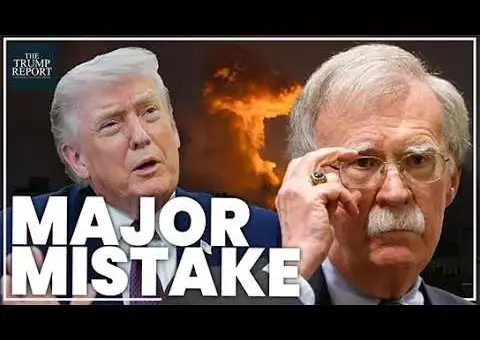
Former Ambassador John Bolton criticizes President Trump's Iran strategy, citing contradictory statements and a lack of clear objectives. Bolton argues that without regime change, the U.S. faces a cycle of conflict, potentially leading to a major strategic defeat and empowering rivals like China and Russia.