Kirby Criticizes Delayed Response to Fallen U.S. Service Members
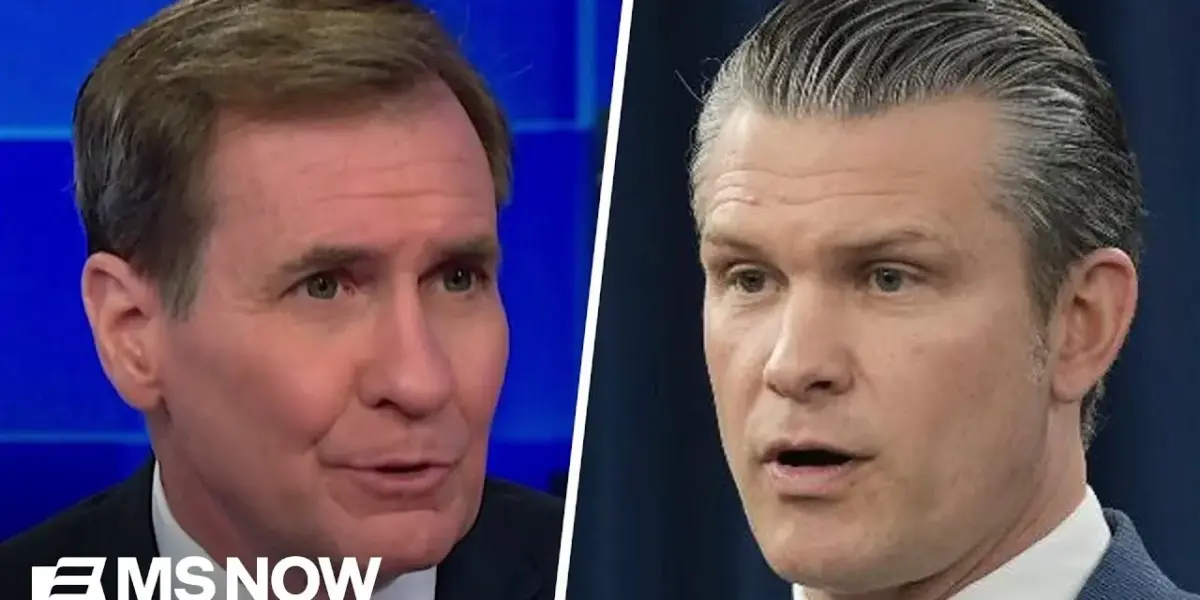
Former Pentagon official John Kirby criticized the administration's delayed acknowledgment of fallen U.S. service members as "unfortunate" and highlighted concerns over mixed messaging and restricted press access. Kirby emphasized the need for clear communication and transparency during wartime, warning that inconsistent statements can erode public support and affect military leadership.

Pentagon Under Fire for Slow Acknowledgment of Military Deaths
Washington D.C. – A former Pentagon communications director has voiced strong criticism regarding the administration’s handling of news concerning the deaths of American service members. John Kirby, a retired Rear Admiral and former Pentagon official under both the Obama and Biden administrations, described the delay in addressing the fatalities as “unfortunate,” particularly given the gravity of the situation and the impact on grieving families.
Delayed Acknowledgment Sparks Concern
Speaking on a recent broadcast, Kirby highlighted the protracted period it took for officials to formally acknowledge the deaths of American service members, stating, “I find it unfortunate that it took that long to state what is the biggest headline today of the crash of that aircraft.” He noted that “six more American families just got the worst possible news,” bringing the total fatalities to 13, amidst a significant military operation involving thousands of troops. Kirby emphasized the need for “humility and grace and dignity” when discussing human lives, especially during wartime.
“I would hope that when we’re talking about war and peace, when we’re talking about human lives, civilians and military in a time of war, that we would do it with some humility and some grace and some dignity.”
Kirby, who has extensive experience in public service and communications, stressed the fundamental role of the podium to “inform the American people, especially important at a time of war when, as you point out, lives are at risk.” He contrasted the slow acknowledgment with the administration’s other statements, pointing to perceived contradictions from Secretary Hegseth, who reportedly first railed against headlines intensifying the war, only to then state that “the war is ramping up and only up.”
Mixed Messages Fuel Public Confusion
The former official elaborated on the impact of such “mixed messages,” suggesting they contribute to public confusion and diminish support for military actions. “When the political leadership is saying SOMETHING DIFFERENT THAN THE MILITARY LEADERSHIP, YOU CAN UNDERSTAND AND I THINK THE AMERICAN PEOPLE CAN BE FORGIVEN FOR BEING MORE CONFUSED ABOUT THIS AND MUCH LESS WILLING TO REALLY COME AROUND TO SUPPORTING IT,” Kirby explained. He differentiated this from the consistent and measured communication often provided by military leaders like General Cain and Admiral Cooper, who, he noted, have been “calm and sober” in their assessments.
Kirby expressed concern that political leadership oscillating between extreme positions, such as “regime change or obliterated and absolute, you know, unconditional surrender,” could impact military morale and potentially lead to expectations beyond their ordered mission scope. “It’s going to have an effect on the military leadership as well,” he warned.
Restrictions on Press Access Raise Eyebrows
Beyond messaging, Kirby also addressed concerns about the Pentagon restricting access for legitimate news organizations. Reports indicated that photographers were barred from a briefing following the publication of “unflattering photos” of Secretary Hegseth, and some outlets were denied access altogether. Kirby, drawing from his own experience at the Pentagon podium, asserted that “open and free access to the press from the Pentagon podium is not a privilege. It’s an obligation that you have to do it.”
He argued that the American people “deserve to know how the men and women in uniform are being ordered to defend their interests” and how their tax dollars are being utilized. Kirby advocated for more frequent briefings and a greater presence of “traditional conventional media” to ensure robust questioning and scrutiny. “A confident, secure administration is unafraid to face a challenging press corps on any given day, on any given issue,” he stated, implying that restrictions could signal a lack of confidence.
Economic Repercussions and Strait of Hormuz Concerns
The discussion also touched upon the real-world economic impacts of the ongoing conflict, citing rising gas prices and the strain on essential workers. Kirby referenced reports of TSA agents sleeping in their cars to save money on fuel, underscoring the tangible effects on American citizens.
A significant portion of the conversation focused on the potential closure of the Strait of Hormuz, a critical chokepoint for global oil transport. Kirby addressed Secretary Hegseth’s remarks that the strait is open for transit unless Iran actively interferes. Kirby acknowledged that military capabilities exist to keep the strait open, referencing Admiral Cooper’s understanding of Iranian capabilities and previous strategies to counter mining and interdiction efforts.
“I’m not worried that military capabilities won’t be applied to do everything they can to keep the straight open. But we don’t get to decide whether shipping companies move their oil tankers in and out. They get to decide. And there’s still a lot of fear. And it won’t, it doesn’t take more than one one drone to get through. And we’ve seen how single drones can still get through. It doesn’t take any more than one to shut down that straight.”
However, Kirby expressed caution, noting that fear alone can disrupt shipping, as evidenced by past incidents where vessels avoided the strait even before shots were fired. He highlighted the ongoing threat posed by drones and the crucial role of shipping companies’ decisions in maintaining transit. “There’s still a lot of fear,” he concluded, emphasizing that even a single successful drone attack could significantly impact the strait’s operability.
Looking Ahead
As the situation evolves, attention will remain on the administration’s communication strategy, its approach to managing public perception of the conflict, and its efforts to ensure transparency with both the public and the press. The effectiveness of military operations, particularly concerning maritime security in critical waterways, will also be closely watched.
Source: John Kirby: Hegseth taking 8+ minutes to address fallen service members is 'unfortunate' (YouTube)

Related Articles
Pentagon Weighs 10,000 Troops for Iran Showdown
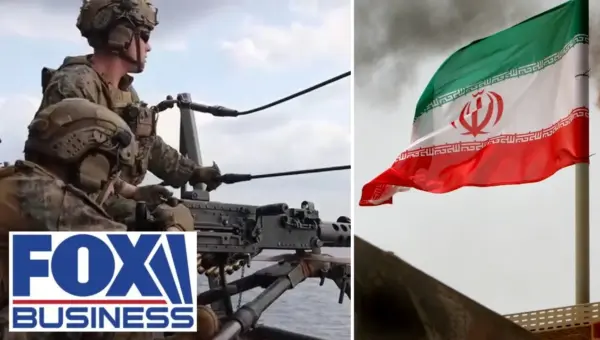
The Pentagon is reportedly weighing a significant troop increase of 10,000 soldiers to the Middle East, potentially escalating tensions with Iran. This move comes amid reports of U.S. precision strikes and interceptions of Iranian missiles by allies, raising concerns about regional stability and global oil supplies.

General Blasts “Comic Book Tough Guy” Over Officer Promotions
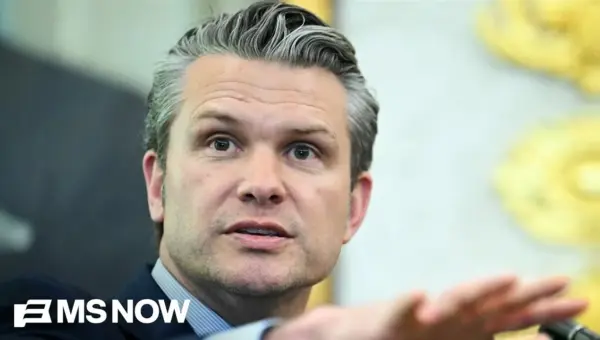
A four-star general has criticized Pentagon leadership, calling it a "comic book tough guy" over the alleged blocking of promotions for two Black and two female officers. This controversial move raises concerns about discrimination and its impact on military morale during a critical geopolitical period.
Defense Secretary Blocks Four Officers’ Promotions
Defense Secretary Pete Hegseth has blocked the promotion of four Army officers, two Black and two female, in a highly unusual move. This decision is raising questions about the promotion process and potential biases within the Pentagon. The move could be challenged in the Senate.