King Charles’ US Visit: A Bridge, Not Just About Trump
King Charles III's state visit to the U.S. is proceeding, aiming to mark American independence and bilateral friendship, not just engage with Donald Trump. Experts suggest canceling the visit would be a "pointless gesture" that deepens current U.S.-Britain tensions. The discussion also touched on concerns regarding the U.S. intelligence community's assessment of threats from Iran.

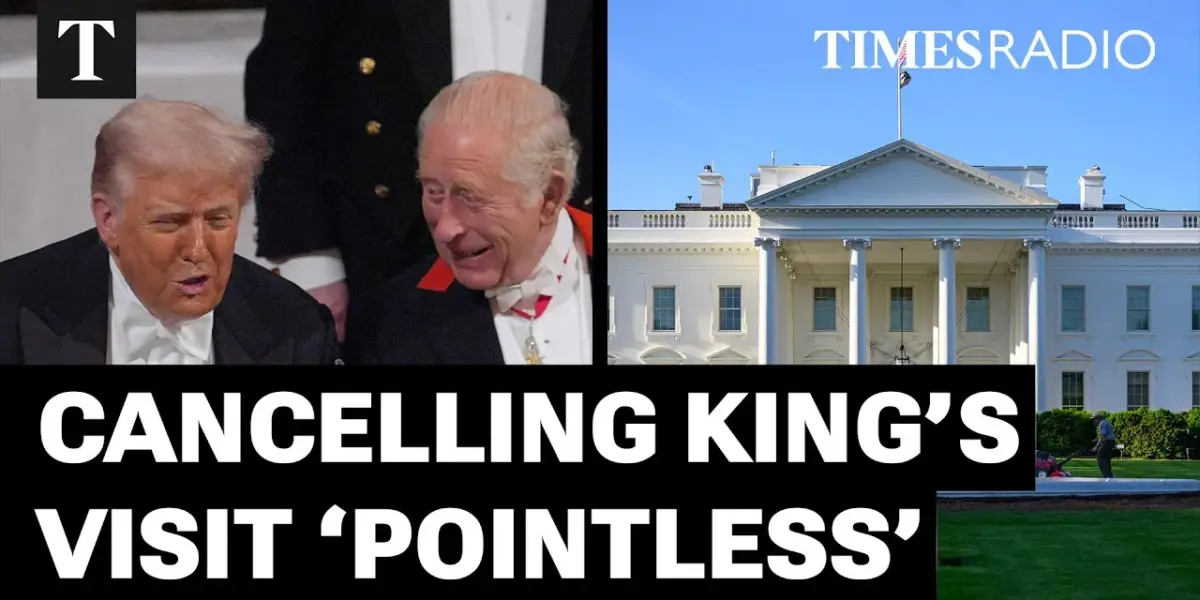
King Charles’ State Visit to US Proceeds Amidst Political Tensions
King Charles III’s upcoming state visit to the United States next month is set to proceed as planned, despite ongoing political friction and speculation about its purpose. The visit, timed to coincide with the 250th anniversary of American independence, aims to underscore the long-standing friendship between Britain and the U.S. However, some in Britain have misunderstood the visit’s intent, believing it to be solely about Donald Trump and an attempt to curry favor with the former president.
Visit Celebrates 250 Years of Friendship
Sarah Bagstar, director of the Mary Coin Center for International Reporting, clarified the visit’s primary objective. She stated that the trip is fundamentally about celebrating the 250th anniversary of American independence and the enduring friendship between the two nations. “It’s to do with the 250th anniversary of American independence and the friendship that has existed between two great nations since they um fought a war,” Bagstar explained. She believes this message of friendship is a valuable one for the King to convey in America.
Canceling Visit Would Deepen Crisis
The idea of canceling or postponing the visit, Bagstar warned, would only serve to worsen the current strain in U.S.-Britain relations. Donald Trump himself has been looking forward to the visit, even mentioning it to Irish officials. “If we were to strike it off, it really would be a pointless gesture in my view,” she commented.
Logistics and Potential Awkwardness
Details about the exact itinerary remain somewhat unclear. A state banquet is expected, and King Charles will undoubtedly receive significant courtesies. The possibility of an invitation to Mar-a-Lago, Trump’s Florida residence, was raised as a potentially controversial element, with Bagstar suggesting it would be unwise for the King to visit the White House in Florida.
The visit occurs at a time when Donald Trump has been openly criticizing the alliance and relationship with Britain, as well as Britain’s response to conflicts in Iran. Discussions in the U.S. often focus on Trump’s perceived rudeness towards allies and friendliness towards nations like Russia. However, Bagstar noted that King Charles typically exists outside these political discussions.
King Charles is… head of state but not the decider of UK policy and I think that’s the spirit in which Donald Trump is going to welcome him.
She anticipates Trump will be gracious, likely refraining from bringing his political agenda directly to the King in an unpleasant manner. “I think the monarch has anything to fear from coming over,” Bagstar assured.
Intelligence Community Faces Scrutiny Over Iran Threat Assessment
The discussion then shifted to testimony given by the U.S. Director of National Intelligence, during a Senate hearing concerning the Iran war. Senator John Ossoff questioned whether the intelligence community assessed an imminent threat from the Iran regime.
The response from the Director of National Intelligence was notably evasive. She stated it was not the intelligence community’s responsibility to determine what constitutes an imminent threat, but rather that this determination is based on information received. This answer drew sharp criticism, as it was argued that assessing threats is precisely the role of intelligence agencies.
The intelligence official’s unwillingness to clearly state the threat level, especially when compared to a previous assessment a year prior that indicated no threat, raised questions. The situation was described as one where the official was unwilling to lie to Congress but also uncomfortable answering directly, leading to obfuscation and evasion.
Concerns Over Instinct-Driven Foreign Policy
The segment highlighted broader concerns about foreign policy decisions being made on instinct or personal feelings, rather than clear intelligence assessments. The idea of a president acting based on what he “feels in his bones” and his “own morality” as the sole constraint in conducting foreign policy or wars has led to international leaders questioning the existence of a coherent plan.
The implications of such an approach, where decisions can shift based on daily feelings rather than established policy or intelligence, were discussed as a significant point of concern for global stability.
Source: Cancelling King Charles’ State Visit To The US Would Be ‘Pointless’ (YouTube)

Related Articles
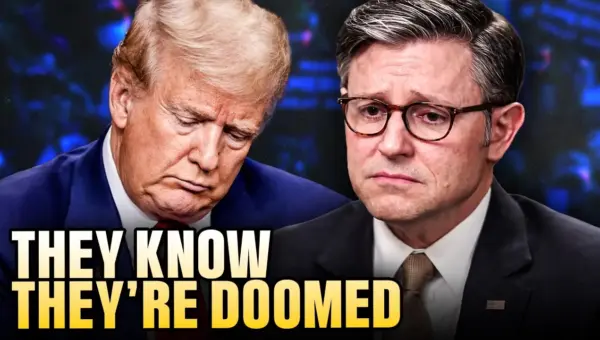
Polls Spell Doom: Republicans Face Voter Backlash
New polling data reveals a sharp decline in public confidence regarding the economic impact of Republican policies, particularly under Donald Trump. A significant majority now feel financially worse off, a trend that is especially pronounced among independent voters. This economic discontent poses a major challenge for the Republican party heading into future elections.
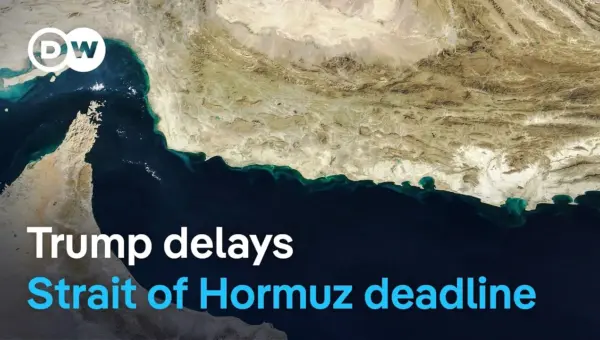
Trump Delays Iran Strike Deadline Amidst Shifting Diplomacy
President Donald Trump has extended his deadline for potential strikes on Iranian energy plants to April 6th, amid reports of U.S.-Iran diplomatic talks mediated by Pakistan. This move comes as Israel continues its strikes on Iran and the U.S. deploys additional military assets to the region. Analysts point to mixed signals, economic pressures, and strategic miscalculations as key factors shaping the evolving situation.
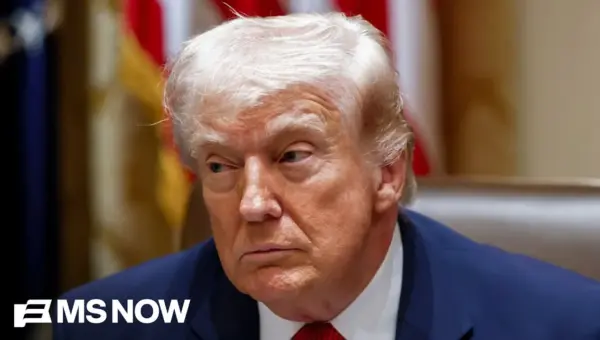
Iran War Claims Ring Hollow as US Troops Injured in New Attack
Days after Donald Trump claimed "we've won" the war with Iran, a new attack injured approximately a dozen U.S. troops and damaged aircraft. This incident contradicts Trump's assertions of victory and raises serious questions about the strategy and reality of the ongoing conflict.