Kim Jong Un Votes as North Korea Holds Elections With Near-Perfect Turnout
North Korea conducted its Supreme People's Assembly elections, reporting a 99.99% turnout, with leader Kim Jong Un casting his vote at a coal mine. The elections are widely seen as a formality, serving to legitimize the ruling party rather than offer genuine democratic choice.

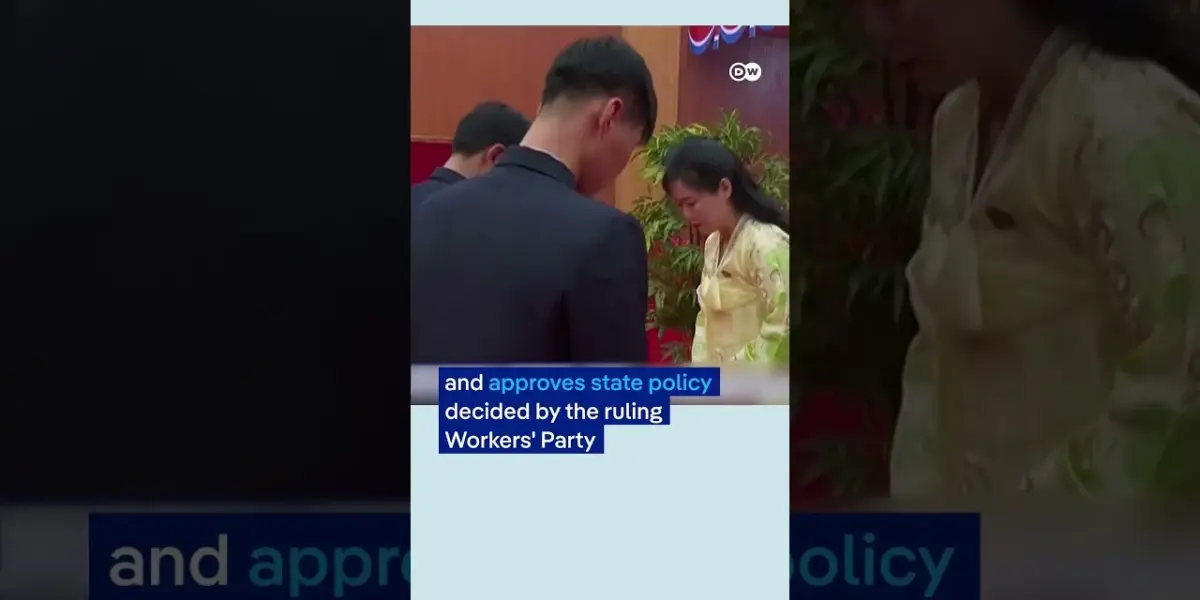
North Korea Votes in Parliamentary Elections Amidst High Turnout Claims
North Korea held its Supreme People’s Assembly elections on Sunday, with state media reporting a near-universal turnout of 99.99%. The elections, a quadrennial event, saw citizens cast their ballots across the country. Leader Kim Jong Un himself participated in the voting process, notably casting his ballot at a coal mine, a move seemingly designed to highlight the importance of the working class and industrial sectors.
Elections Under Scrutiny: A Foregone Conclusion
These elections are widely viewed by international observers as a formality, serving primarily to legitimize the ruling Workers’ Party of Korea and its leadership. The Supreme People’s Assembly, North Korea’s nominal legislature, rarely convenes and has little independent power, with all significant decisions made by the country’s top leadership. Candidates are typically pre-selected, and there is no genuine political opposition or competition. The reported 99.99% turnout figure, while presented as a testament to civic duty, is characteristic of the highly controlled political environment in the Democratic People’s Republic of Korea (DPRK).
Kim Jong Un’s Symbolic Vote at a Coal Mine
The visual of Kim Jong Un voting at a coal mine was a significant element of the state-controlled media coverage. This symbolic act aimed to project an image of a leader deeply connected to the common worker and invested in the nation’s industrial output. Such staged events are common in North Korean propaganda, designed to reinforce the cult of personality surrounding the Kim dynasty and to foster a sense of national unity and purpose, even in the absence of genuine democratic participation.
The Role of the Supreme People’s Assembly
The Supreme People’s Assembly (SPA) is constitutionally the highest organ of state power in North Korea. It is responsible for ratifying major government policies, approving the state budget, and appointing or removing key officials, including members of the Presidium of the SPA and the Cabinet. However, in practice, its sessions are infrequent and largely ceremonial. The deputies elected are expected to rubber-stamp decisions already made by the Workers’ Party leadership. The SPA’s primary function appears to be maintaining the facade of a democratic state, a critical component of its international image, however flawed.
International Context and Isolation
The elections take place against a backdrop of international sanctions and diplomatic isolation. North Korea remains a pariah state for many, due to its nuclear weapons program and human rights record. The country’s leadership often uses such domestic events to project an image of stability and national cohesion to the outside world, despite the severe economic hardships faced by its population. The high reported turnout and unanimous support for the candidates can be interpreted as an attempt to counter narratives of internal dissent and to showcase a unified nation, even if that unity is enforced.
Propaganda and Control
The electoral process in North Korea is a powerful tool of state propaganda. It reinforces the legitimacy of the ruling party and its leader, emphasizing loyalty and collective participation. The media coverage focuses on the act of voting as a patriotic duty, a demonstration of unwavering support for the socialist system and its architects. The absence of any dissenting voices or alternative choices in the electoral process underscores the pervasive control exerted by the state over all aspects of public life.
Looking Ahead: Continued Isolation and Internal Focus
As North Korea concludes its Supreme People’s Assembly elections, the focus is expected to shift back to the country’s ongoing challenges, including economic development and its relationship with the international community. The elections, while a significant ritual for the regime, are unlikely to bring about any substantial changes in domestic policy or North Korea’s international standing. Observers will continue to monitor economic indicators, military activities, and any subtle shifts in rhetoric that might signal future policy directions, particularly concerning denuclearization talks and inter-Korean relations.
Source: North Koreans take part in parliament election | DW News (YouTube)

Related Articles


CPAC Crowd’s Boos Reveal GOP’s Deep Divide
A moment at CPAC where the crowd booed impeachment hearings reveals deep divisions within the Republican party. Younger supporters are concerned the GOP base is crumbling due to issues like the Iran war, gas prices, and other controversies.


Trump Derails Bipartisan Deal, Halts Government Funding
Senate Republicans united on a funding bill for the Department of Homeland Security, but Donald Trump's opposition led House Speaker Mike Johnson to kill the deal. This political maneuver left TSA workers unpaid and highlighted the influence of personal directives over legislative progress.
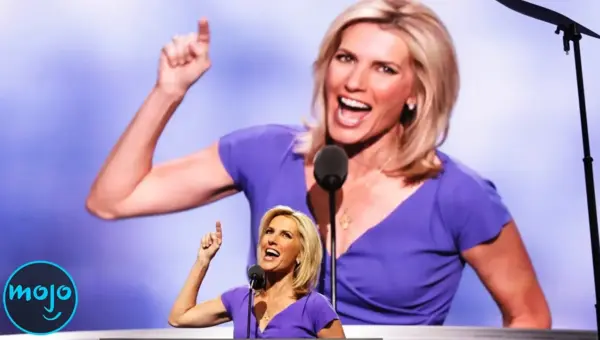
Fox News Hosts Spark Outrage With Shocking Remarks
From commentary on candy mascots to serious accusations about election fraud, several Fox News hosts have made controversial statements that sparked outrage and consequences. This list details the most provocative remarks, including advertiser boycotts, public backlash, and a massive defamation lawsuit.