Kim Jong Un Oversees Missile Drills Amid Regional Tensions
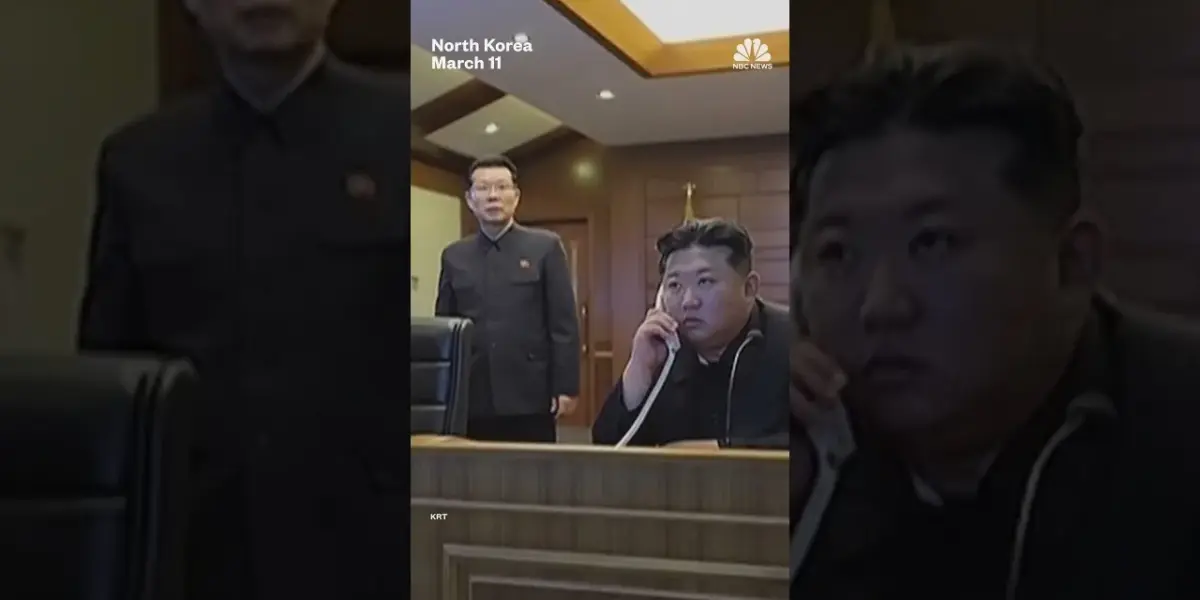
North Korean leader Kim Jong Un personally oversaw recent tactical missile test launches, state media reported. The drills are seen as a demonstration of Pyongyang's military might and readiness amidst escalating regional tensions.

Kim Jong Un Oversees Missile Drills Amid Regional Tensions
North Korean leader Kim Jong Un has personally observed recent missile test launches, state media reported on Saturday, a move underscoring Pyongyang’s ongoing commitment to bolstering its military capabilities amidst heightened regional tensions. The drills, which involved tactical ballistic missile launches, were conducted over the past few weeks, according to the Korean Central News Agency (KCNA). The exercises appear to be part of a broader effort by North Korea to enhance its readiness for potential conflict and to demonstrate its resolve on the international stage.
Strategic Missile Exercises Conducted
The KCNA report detailed that the exercises were aimed at testing the readiness of units responsible for tactical nuclear operations. While specific dates and the exact number of missiles launched were not disclosed, the agency stated that the drills successfully validated the accuracy and operational capability of the weapons systems. Kim Jong Un reportedly expressed satisfaction with the performance of the participating military units, emphasizing the importance of maintaining a high state of alert and continuously improving combat preparedness.
“The exercises are meant to demonstrate the punishing power of our armed forces against enemies who dare to provoke us,” KCNA quoted Kim Jong Un as saying. The leader stressed the need for constant vigilance and preparedness to respond decisively to any enemy actions.
Context of Escalating Regional Security Concerns
These missile drills occur at a time of significant geopolitical friction in Northeast Asia. Tensions have been notably high between North Korea and its neighbors, including South Korea and Japan, as well as with the United States. North Korea has continued to advance its missile technology, conducting numerous tests of various missile types, including intercontinental ballistic missiles (ICBMs) and shorter-range tactical missiles, despite international sanctions and condemnation.
Analysts suggest that these exercises serve multiple purposes for the North Korean regime. Firstly, they are a clear signal to the international community, particularly the U.S. and its allies, of North Korea’s military power and its refusal to be coerced. Secondly, the drills are crucial for Kim Jong Un to project an image of strength and control domestically, reinforcing his leadership and the national security narrative.
North Korea’s Nuclear Ambitions and International Response
North Korea has consistently pursued its nuclear weapons and ballistic missile programs, viewing them as essential deterrents against perceived threats from the United States and South Korea. The country has conducted a series of missile tests in recent months, which have been widely condemned by the international community. The United Nations Security Council has imposed multiple sanctions on North Korea in response to its nuclear and missile activities.
However, these sanctions have done little to deter Pyongyang from continuing its weapons development. The regime has often stated that its military buildup is a necessary response to the hostile policies of the U.S. and its allies. The recent drills, involving tactical missiles, could be interpreted as a specific message regarding the perceived threat from South Korea and U.S. military presence in the region.
Expert Analysis and Implications
Dr. Evelyn Reed, a senior fellow specializing in Korean Peninsula security at the Global Strategic Institute, commented on the significance of these exercises. “Kim Jong Un’s personal observation of these missile drills highlights the centrality of military power in his regime’s strategy,” Dr. Reed stated. “The focus on tactical nuclear operations suggests a potential shift or emphasis on battlefield nuclear capabilities, which could alter the calculus of deterrence in the region.”
She further elaborated, “While North Korea frames these actions as defensive, they invariably raise concerns about regional stability and the potential for miscalculation. The international community must continue to monitor these developments closely and pursue diplomatic avenues, however challenging they may be, to de-escalate tensions and prevent further escalation.”
Future Outlook and What to Watch Next
The recent missile drills observed by Kim Jong Un are a stark reminder of the persistent security challenges posed by North Korea’s weapons programs. As the international community grapples with these ongoing provocations, attention will remain focused on Pyongyang’s next moves. Key indicators to watch include further missile tests, any potential nuclear test, and shifts in North Korea’s diplomatic engagement, or lack thereof. The response from South Korea, Japan, and the United States will also be critical in shaping the future trajectory of regional security dynamics. The effectiveness of existing sanctions and the potential for renewed diplomatic efforts will be central to managing this volatile situation.
Source: North Korean leader Kim Jong Un watches missile tests (YouTube)

Related Articles


Iran’s Missile and Drone Arsenal: A Wildcard in Regional Conflict
Iran's substantial stockpile of short-range missiles and drones is emerging as a critical factor in the ongoing regional conflict. Experts are assessing the nation's remaining capabilities, particularly its hardened underground facilities, and the potential impact of international military cooperation.


Iran Apologizes to Neighbors Amid Escalating Regional Conflict
Iran's President Masoud Pezeshkian has apologized to Gulf neighbors for recent attacks amid escalating conflict with the US and Israel. Despite the apology, questions linger about Iran's internal command structure and the reliability of its assurances as the region faces heightened instability.

Trump’s Iran Strategy: Regime Change or Missile Control?
Former Ambassador Paula Diaz-Lanzi dissects the Trump administration's strategic intent regarding Iran, arguing that while regime change may be a consequence, the primary goals focus on nuclear capabilities, ballistic missiles, and proxies. The analysis delves into the risks of action versus inaction, shifting alliances, and the long-term implications of this assertive foreign policy.