Killer Cop Captured After Highway Safety Segment Airs
A California Highway Patrol officer, featured in a news segment about highway safety, was identified as a murderer by survivors of his attacks. Officer Craig Py was arrested and convicted for the strangulation death of Keranaut.

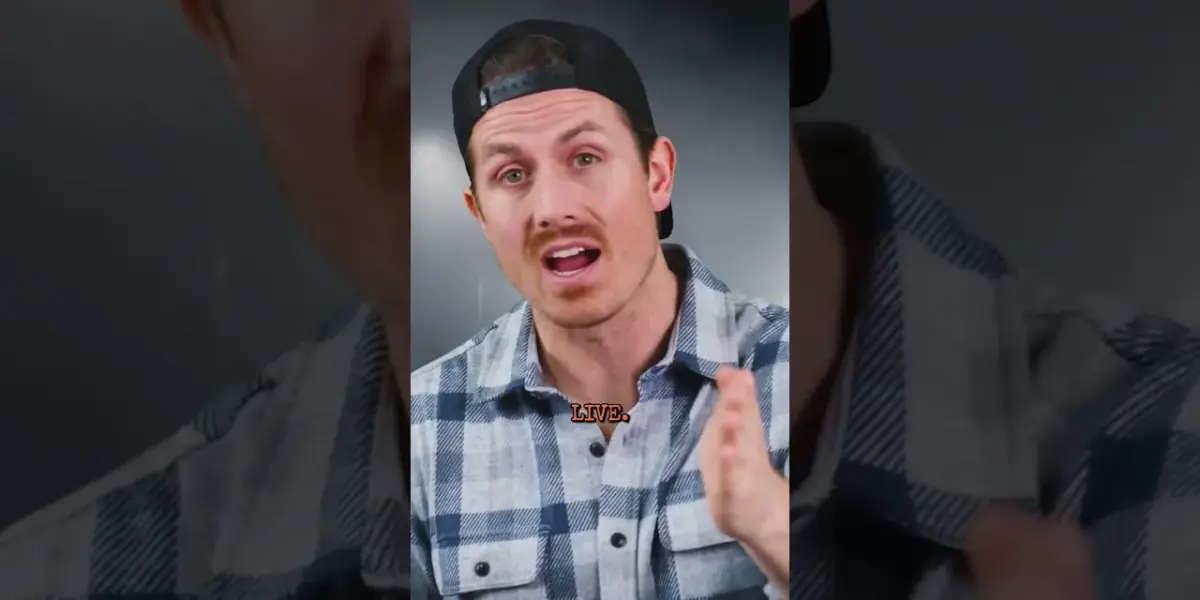
Killer Cop Captured After Highway Safety Segment Airs
On the evening of December 29th, 1986, California Highway Patrol Officer Craig Py found himself in the unexpected spotlight. He was participating in a news segment for NBC, filmed on Interstate 15 in San Diego, intended to educate the public on highway travel safety. The irony, tragically, would prove devastating. Just over 36 hours prior, the body of 20-year-old college student Keranaut had been discovered, strangled to death in a creek near the Mercy Road exit. The segment, a collaboration between the California Highway Patrol and NBC News, was meant to prevent future tragedies by advising drivers on how to stay safe, especially if forced to stop along the highway. Little did anyone know, the very officer meant to be a symbol of safety was the perpetrator of the crime that had prompted the segment.
A Segment for Safety, a Revelation of Guilt
Officer Py, with an NBC News reporter in the back seat and a cameraman in the passenger seat of his patrol car, drove down Interstate 15, discussing basic highway safety protocols. The filming concluded, and Py dropped the news crew off, assured his segment would air that evening. He watched, alongside the public, as his report went live. To Py and the CHP, the segment seemed to go well. However, for a few viewers, the broadcast triggered a chilling recognition. Within an hour of the segment airing, the police were inundated with calls. Dozens of viewers, who had previously reported encounters with a violent assailant but received little traction from law enforcement, recognized the man on their television screens. They were convinced they knew who had killed Keranaut.
Survivors’ Testimony Unlocks the Case
The crucial element that connected these viewers to Keranaut’s murder was the presence of a fresh cut above Officer Py’s eyebrow, visible during the news segment. This detail, combined with the harrowing experiences of over two dozen other women, provided the breakthrough the investigation desperately needed. These women had encountered the same individual who attacked Keranaut. While they had been terrorized, tortured, and held hostage for hours, they had ultimately been released. Keranaut, tragically, had not. During her encounter on the night of December 27th, 1986, after pulling off at the Mercy Road exit and stopping in the cul-de-sac, she was clubbed over the head and then strangled to death with a rope.
The survivors, watching their attacker on national television, recognized him instantly. They had reported their assaults to the police, but their pleas had seemingly gone unanswered until this moment. Seeing their assailant on the news, with a visible injury that corroborated their accounts, was a terrifying yet galvanizing experience. They understood that the man who had brutalized them was likely Keranaut’s killer.
Investigation and Arrest
The flood of tips prompted the police to re-examine the case with renewed urgency. Following up on the credible information provided by the survivors, investigators were able to gather enough evidence to arrest Officer Craig Py just over two weeks after the news segment aired. The investigation confirmed that the man featured in the highway safety report, the man with the visible cut, was indeed Keranaut’s murderer.
Justice and Lingering Questions
Officer Craig Py was subsequently found guilty of murder. The sentence handed down was 25 years to life in prison. The swift resolution, driven by the courage of the survivors and the inadvertent self-exposure of the perpetrator, brought a measure of justice for Keranaut and her attackers. However, the case also raised disturbing questions about the vulnerabilities within the justice system and the potential for those sworn to protect to become predators themselves. It highlighted the critical importance of listening to victims and the power of collective action, even when initially dismissed, in bringing perpetrators to account. The chilling reality of a law enforcement officer turning his badge into a weapon serves as a stark reminder of the complexities of crime and the often-unforeseen paths to justice.
Source: The Most DANGEROUS Highway In America…… (YouTube)

Related Articles

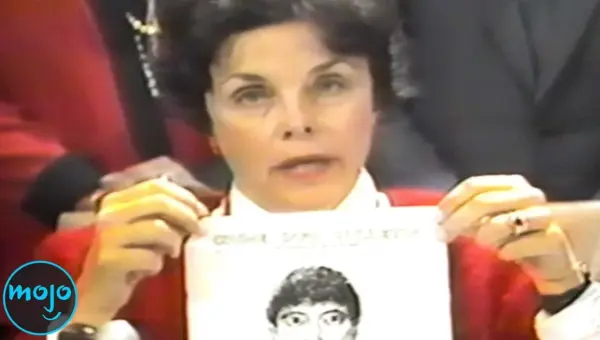
Justice Denied: 10 Cases Where Investigations Went Awry
Investigative blunders, prejudice, and media frenzy have led to devastating consequences in notorious criminal cases. From the O.J. Simpson trial to the West Memphis Three, these stories reveal critical flaws that denied justice and prolonged suffering.
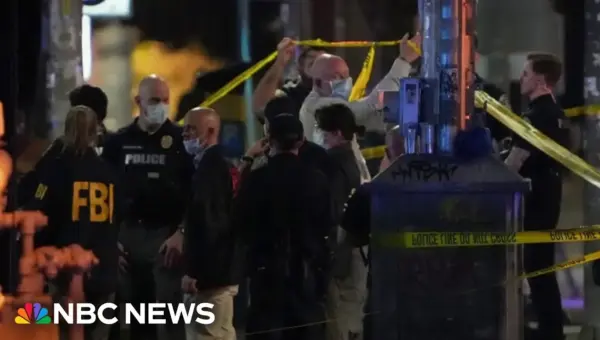
Austin Beer Garden Attack Probed as Potential Terrorism
Authorities are investigating a deadly rampage at an Austin beer garden as a potential act of terrorism. The 53-year-old gunman killed two and wounded dozens, with investigators probing potential ties to international events and ideologies.

Psychic’s Visions Hint at Killer in 25-Year Cold Case
Barbara Rocky, a BYU student seeking escape from campus life, was found murdered in Big Cottonwood Canyon in 1974. A psychic's visions and a pawned necklace initially pointed to a suspect, but the case remained cold for 25 years until DNA technology finally identified her killer.