Kīlauea Erupts: Lava Fountain Reaches 1,000 Feet
Hawaii's Kīlauea volcano erupted spectacularly, shooting lava fountains up to 1,000 feet into the air. The dramatic display occurred within the Halemaʻumaʻu crater at the summit, drawing attention to the volcano's ongoing geological activity. Scientists are closely monitoring the event for any potential changes or hazards.


Hawaii’s Kīlauea Volcano Erupts in Spectacular Lava Display
HAWAII VOLCANOES NATIONAL PARK, HAWAII – The iconic Kīlauea volcano on Hawaii’s Big Island has once again captivated observers with a dramatic eruption, sending fountains of molten lava soaring up to 1,000 feet into the air. The powerful display, captured and shared widely, underscores the dynamic geological forces at play within one of the world’s most active volcanoes.
A Fiery Spectacle Above Halemaʻumaʻu Crater
The eruption occurred at the summit of Kīlauea, within the Halemaʻumaʻu crater, a location synonymous with the volcano’s frequent activity. Eyewitness accounts and video footage reveal a breathtaking scene as incandescent lava was violently ejected skyward. The height of the lava fountain, reaching an estimated 1,000 feet, signifies a significant surge in volcanic activity and the immense pressure building beneath the Earth’s surface.
This event is a stark reminder of Kīlauea’s ongoing role in shaping the Hawaiian landscape. The volcano, part of the Hawaiian–Emperor seamount chain, is known for its effusive eruptions, characterized by the steady flow of highly fluid basaltic lava. However, events like this, with powerful lava fountaining, highlight the potential for more explosive phases of activity.
Scientific Monitoring and Public Safety
Hawaii Volcanoes National Park officials and scientists from the U.S. Geological Survey (USGS) Hawaiian Volcano Observatory (HVO) closely monitor Kīlauea’s activity. While the current eruption is primarily a visual spectacle from a safe distance, the USGS maintains a constant watch for any changes that could pose a risk to nearby communities. The park itself often provides designated viewing areas, allowing the public to witness these natural wonders while maintaining a safe perimeter.
The USGS typically issues alerts and updates regarding volcanic activity, including potential hazards such as gas emissions (vog), ashfall, and lava flows. The recent eruption’s intensity suggests a robust magma system is active beneath the summit. Scientists will be analyzing the chemical composition of the erupted lava and seismic data to better understand the subsurface processes driving this event.
Kīlauea’s History of Powerful Eruptions
Kīlauea has a long and storied history of eruptions, dating back centuries. Its most recent prolonged eruptive period lasted for 35 years, from 1983 to 2018, transforming the landscape of the island’s southeastern flank. The 2018 eruption, in particular, was highly destructive, causing significant damage to homes and infrastructure in the Leilani Estates and Kapoho areas, and ultimately creating new landmass extending into the ocean.
The current activity, while visually dramatic, is occurring within the well-established caldera of Halemaʻumaʻu. This contained eruption minimizes immediate threats to populated areas, allowing for the observation of a powerful geological process without the widespread destruction seen in previous years. The consistent activity also makes Kīlauea a prime location for volcanological research, offering invaluable insights into the mechanics of volcanic eruptions.
Broader Implications and Tourism
Volcanic activity in Hawaii is not just a geological phenomenon; it is also a significant draw for tourism. The awe-inspiring eruptions of Kīlauea attract visitors from around the globe, eager to witness the raw power of nature. The recent lava fountain display is expected to further boost interest in visiting Hawaii Volcanoes National Park, providing a unique and unforgettable experience for travelers.
Beyond tourism, Kīlauea’s eruptions play a crucial role in the creation of new land, a continuous process that has defined Hawaii’s archipelago. The volcanic activity contributes to the island’s fertility, supporting unique ecosystems and influencing the cultural practices of the Native Hawaiian people, who have long revered the volcano and its goddess, Pele.
What’s Next for Kīlauea?
Scientists will continue to monitor Kīlauea closely in the coming days and weeks. The duration and intensity of the current eruption remain uncertain. Future developments could include sustained lava fountaining, the initiation of lava flows from the summit vent, or a gradual decrease in activity. The USGS HVO will provide regular updates, guiding park management and informing the public about any changes in conditions. The ongoing spectacle serves as a powerful reminder of the Earth’s active geological nature and the magnificent forces that continue to shape our planet.
Source: Hawaii's Kīlauea shoots lava 1,000 feet into the air (YouTube)

Related Articles


Elderly Lodge Owner Defied Evacuation, Died in Volcano Eruption
Elderly lodge owner Harry R. Truman defied government evacuation orders ahead of the Mount St. Helens eruption. His refusal to leave his beloved home led to his tragic death in the catastrophic blast.

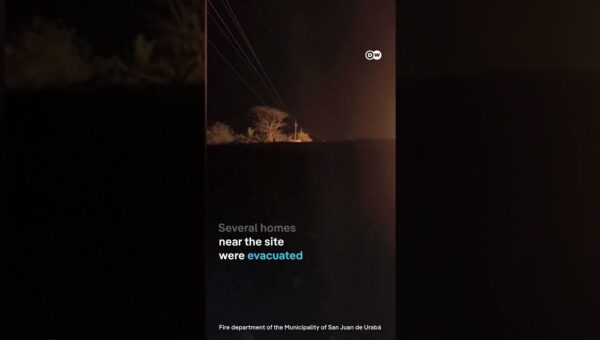
Colombian Volcano Erupts, Prompting Evacuations Near Water Plant
A volcano near San Juan de Uraba, Colombia, erupted, causing evacuations but no reported injuries. Firefighter images show the eruption's proximity to a water treatment plant, highlighting immediate safety concerns and ongoing monitoring efforts.


Israel’s War Goals Under Scrutiny: Top Netanyahu Adviser Speaks Out
Caroline Glick, an adviser to Israeli Prime Minister Netanyahu, detailed Israel's war aims in an interview with DW News, focusing on preventing a nuclear Iran and curbing regional influence. Her remarks come amid international questions about the strategic clarity of the conflict.