Kia Sportage Facelift: Still a Winner, But With Caveats
Kia's popular Sportage receives a significant facelift, boasting a bolder design and a refined interior. While it retains its family-friendly practicality and gains impressive hybrid performance, the axing of the diesel engine and a less flexible trim structure are notable drawbacks.

Kia Sportage Facelift: Still a Winner, But With Caveats
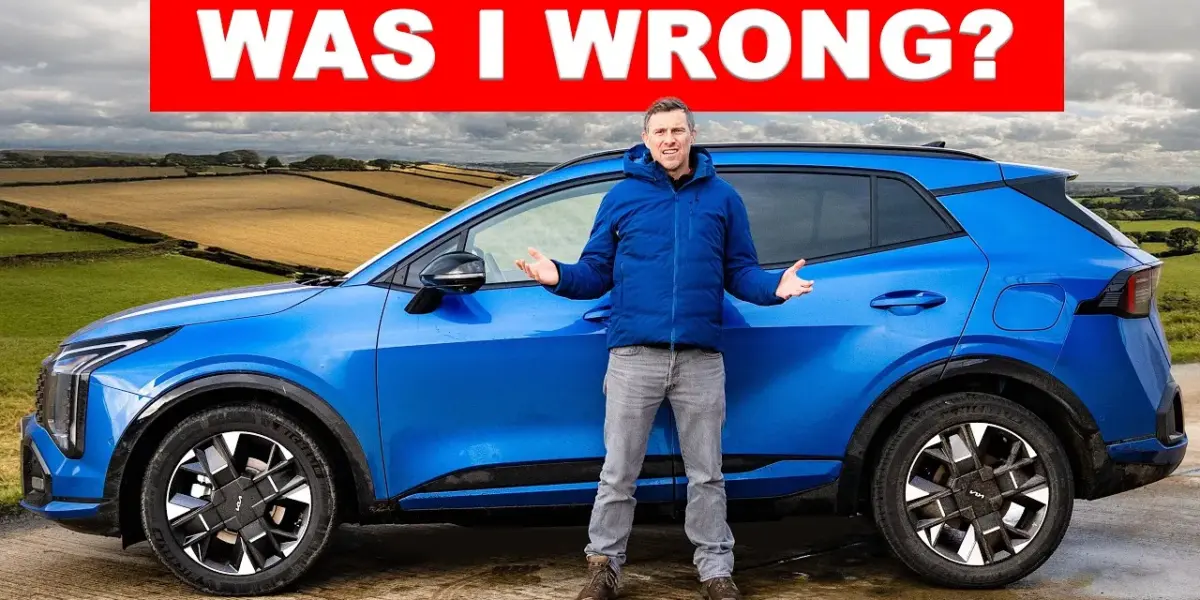
Kia has given its perennially popular Sportage SUV a significant refresh, and the question on everyone’s lips is: has the Korean automaker messed with its bestselling formula? Having recommended the Sportage for years, the pressure is on to ensure this update is for the better. While many changes are welcome, there’s one notable omission that might frustrate some buyers.
Design Evolution: A Bold New Face
The most striking change is to the Sportage’s front end. Eschewing the previous model’s pointy aesthetic, the new design adopts a more upright, vertical, and squared-off look, aligning with Kia’s latest EV models like the EV3 and EV9. The result is a more imposing and arguably more attractive fascia. However, the changes elsewhere are far more subtle. The side profile sees only new, squared-off wheel designs, while the rear bumper features slightly altered reflectors and internal detailing within the light clusters. It appears Kia invested heavily in the front-end redesign, leaving less for the rest of the exterior.
Powertrain Simplification: The Hybrid Takes Center Stage
Under the bonnet, Kia has simplified the engine lineup considerably. The diesel option has been axed, leaving a sole 1.6-litre turbocharged petrol engine. This is available in two states of tune: a standard 150 horsepower unit or, in the model tested, a potent 240 horsepower hybrid variant that pairs the petrol engine with an electric motor. The entry-level engine can be had with either a manual or automatic gearbox, while the hybrid is exclusively automatic. All models are front-wheel drive as standard, with all-wheel drive available as an option. A plug-in hybrid is expected in the future, promising impressive, albeit often optimistic, fuel economy figures.
Performance: Surprisingly Swift
Don’t let its family SUV credentials fool you; the 240hp hybrid Sportage is surprisingly brisk. In testing, it achieved a 0-60 mph sprint in a rapid 7.2 seconds, completing the quarter-mile in 15.4 seconds. These figures are comparable to performance cars of yesteryear, demonstrating significant progress in the segment. Despite its weight – over 1,700 kg for the AWD hybrid model – the Sportage stops impressively well. Thanks to regenerative braking from the hybrid system and premium Michelin tires, it halted from 60 mph in a mere 34 meters, a truly commendable figure.
Practicality: A Tale of Two Boots
The Sportage has always been praised for its cavernous boot, and Kia claims the capacity remains unchanged at 590 litres. However, our practical test with ten suitcases revealed a slightly different story. While the hands-free tailgate and flat-folding rear seats are convenient, the boot ultimately accommodated seven large suitcases. This is the same result as the outgoing model, suggesting that while the on-paper figures are generous, real-world packing might be slightly less accommodating than some rivals. Still, seven suitcases is a substantial amount for most family holidays.
Interior Upgrades: Refined and Tech-Savvy
Kia has clearly listened to feedback, addressing key interior complaints. The previous model’s tendency for easily scratched gloss trim and cheap-feeling central bosses has been rectified. The new steering wheel feels pleasant, and the central boss now boasts a more premium finish. The infotainment screen bezel has been reduced, and while the touch-sensitive climate controls remain, physical buttons for temperature adjustment are a welcome addition for ease of use on the move. The infotainment system itself is reasonably quick, now offering wireless Apple CarPlay and Android Auto. However, buyers should be aware that entry-level models feature a less impressive, smaller driver’s display.
Storage solutions are plentiful, with large cupholders featuring grippers, a decent glovebox, and sizable door bins. The cabin feels spacious and practical overall. One frustration, however, lies in Kia’s trim strategy. To access desirable features like wireless charging, a panoramic sunroof, or surround-view cameras, you’re often forced into the top-spec model, which also bundles in features like a head-up display and remote parking assist that not all buyers may want or need.
On the Road: Balanced and Competent
While not designed for outright driving thrills, the Sportage offers a composed and competent driving experience. Its relatively firm suspension, while noticeable over sharper bumps, contributes to surprisingly flat cornering for a car of its size and weight. The steering, though, lacks the ultimate feedback and connection found in rivals like the Audi Q3. Unfortunately, while European models can be optioned with adaptive dampers for a more sophisticated ride, this feature is not available in the UK, a decision Kia states was made to keep the car affordable.
For its intended purpose – commuting and family duties – the Sportage excels. The adaptive cruise control (standard on all but the entry-level manual) makes motorway driving effortless. The ride is comfortable, tire noise is minimal, and the hybrid system provides seamless, punchy acceleration. The only minor quibble is a slight hesitation from the engine when sudden acceleration is demanded, but this is a minor annoyance in an otherwise pleasant and inoffensive driving experience.
Rear Seat Comfort and Practicality
Rear-seat passengers are treated to a familiar, and excellent, experience. Headroom and knee room are generous, the seats recline for added comfort, and the large seat bases offer excellent under-thigh support. The only minor drawback is the seat rail design, which can slightly limit legroom width. Fitting three adults across the rear is feasible for shorter journeys. Isofix points for child seats are easily accessible, and the large rear doors make fitting bulky infant carriers straightforward. USB-C ports on the seatbacks and useful hooks add to the rear practicality, though the hard plastic trim on the rear door tops is a step down from the front.
Value and Pricing: Moving Towards the Mainstream
The days of the Kia Sportage being the budget option in its class are over. Pricing has moved towards the average for the segment, with starting prices around £31,000 and top-spec models reaching approximately £44,000. This places it directly in competition with rivals like the Nissan Qashqai and Skoda Karoq. While manufacturer discounts can significantly alter the final price – with average savings of £2,000 on the Sportage and Karoq, and a more substantial £5,000 on the Qashqai through platforms like Carwow – the Sportage is no longer the cheapest choice.
The Verdict: Still a Strong Contender
So, has Kia done enough with this facelift to justify the Sportage’s position as one of the UK’s best-selling cars? Yes, for the most part. The updated styling is a winner, the interior improvements are welcome, and the performance from the hybrid powertrain is impressive. The practicalities for family life remain strong, with ample space and comfort for passengers. The main caveat is the absence of a diesel engine option, which will disappoint some buyers. Furthermore, the strict trim structure means you might pay for features you don’t need to get the ones you do. Despite these points, the Kia Sportage remains a compelling and highly recommendable family SUV, continuing its reign as a segment favourite.
Source: I recommended this car to EVERYONE (YouTube)

Related Articles

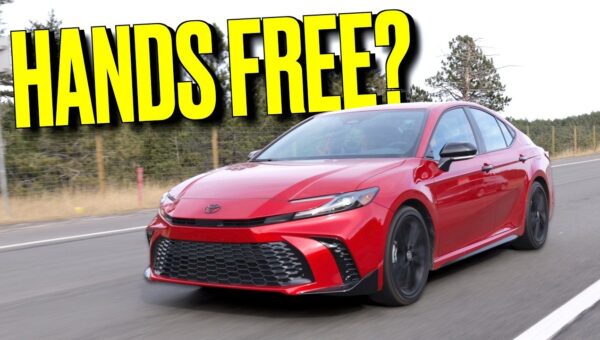
2026 Toyota Camry: A Hands-Free Hopeful, But Not Quite There
The 2026 Toyota Camry, a hybrid powerhouse, undergoes the demanding Woolly Mammoth Challenge for hands-free driving. While packed with safety features, it falls short of true autonomy, scoring 45 points and highlighting Toyota's conservative yet value-rich approach.
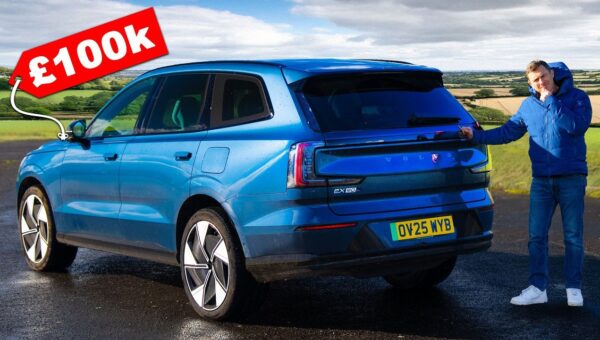
Volvo EX90: A Flawed Luxury EV King?
The new Volvo EX90 aims for luxury EV SUV supremacy but falls short due to a high price, disappointing real-world range, and uninspired driving dynamics. While comfortable and practical, it struggles to justify its premium cost against strong competition.


Zinger 21C V-Max: A Hypercar Revolution?
The Zinger 21C V-Max redefines the hypercar with its revolutionary 3D-printed components, a 1,250 horsepower hybrid powertrain, and a driving experience akin to a Formula 1 car. This $2.35 million machine offers unparalleled performance and a unique connection to the road, targeting the ultimate automotive enthusiast.