Kharg Island Strike: Iran’s Oil ‘Kill Switch’ Threatens 90% Revenue
Former U.S. Energy Secretary Stephen Moore emphasizes that Iran's Kharg Island oil terminal, responsible for 90% of its exports, acts as a critical 'kill switch.' While a strike could impact prices, market analysts suggest the effect may be limited by global supply and risk premiums, with futures pointing to price stabilization.

Kharg Island Strike: Iran’s Oil ‘Kill Switch’ Threatens 90% Revenue
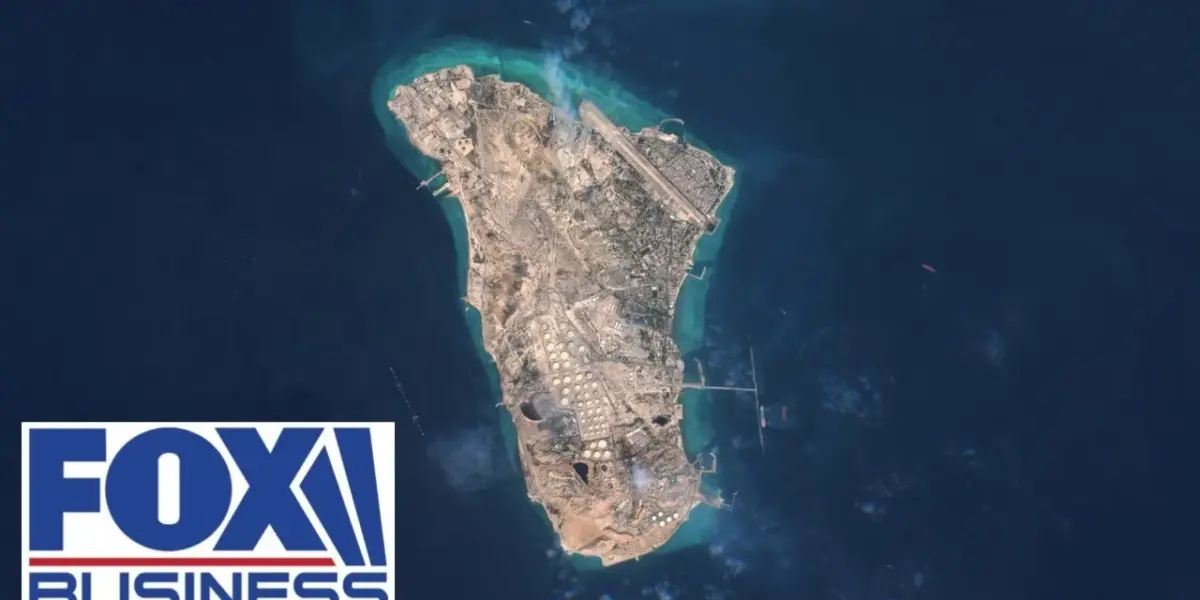
The recent allied bombing of Iran’s Kharg Island oil terminal has thrust a critical piece of global energy infrastructure into the spotlight. According to former U.S. Energy Secretary Stephen Moore, the island represents a virtual “kill switch” for Iran’s oil revenue, with approximately 90% of the nation’s crude exports passing through its facilities. This strategic vulnerability carries significant implications for global oil markets and geopolitical stability.
Kharg Island: Iran’s Energy Lifeline
Kharg Island, situated in the Persian Gulf, functions as Iran’s primary oil export hub. Moore likens its importance to the Strait of Hormuz, but suggests its impact may be even more profound. “If you take out Kharg Island, he’s taking up 90% of the revenue through Iran,” Moore stated in a recent interview. This concentration of export activity means that any disruption to Kharg Island’s operations can have an immediate and substantial effect on Iran’s ability to generate revenue from its most significant commodity.
Geopolitical Signaling and Market Impact
The recent strike on Kharg Island is being interpreted as a strong signal from the U.S. administration to Iran, urging them to return to the negotiating table. “This will be at risk,” Moore explained, suggesting that the action aims to provide an “offramp to conflict in the region.” While the potential for a disruption to nearly all of Iran’s oil exports could theoretically lead to a spike in global oil prices, analysts suggest the immediate market impact might be less severe than anticipated.
“I think what he is trying to provide his offramp to conflict in the region so we will see if they take it or not, but I think that is what he’s trying to do here.”
Moore argues that while the oil markets would undoubtedly take a hit, Americans are increasingly understanding the broader mission. “Americans know the mission is more important than temporary jump and oil prices,” he asserted. He further elaborated that the global oil supply is robust, with daily production and consumption hovering around 105-106 million barrels per day. Even if Iran’s 1.5 to 2 million barrels per day of exports were entirely removed from the market, the impact on global supply would be a relatively small percentage. The primary driver of price increases, he suggests, would be a “risk premium associated” with the conflict, rather than a genuine supply shock.
Long-Term Outlook and Economic Winds
Looking beyond the immediate geopolitical tensions, the outlook for oil prices remains a point of discussion. Futures markets are signaling a potential return to $50-$60 per barrel within three to six months. This projection suggests that the market anticipates a resolution to the current standoff or a swift recovery in supply. Moore expressed optimism that if the conflict is resolved, the U.S. economy could be poised for a “great expansion.” He also pointed to strong manufacturing data, particularly in business equipment and machinery, as a positive indicator. This boom, he attributes in part to the Trump administration’s tax cuts, which incentivized capital investments.
The Role of Allies and Trade Policy
The article also touches upon the role of international allies, particularly NATO members. Moore expressed a desire for these allies to support the U.S. strategy and to adopt economic policies that foster their own manufacturing sectors. He suggested that European nations, despite paying high gas prices, have not fully aligned with U.S. interests in this matter. The call for allies to mirror the economic policies that have spurred growth in the U.S. underscores a broader theme of international economic cooperation and strategic alignment.
What Investors Should Know
- Kharg Island’s Critical Role: Approximately 90% of Iran’s oil exports are processed through Kharg Island. Any significant disruption there directly impacts Iran’s primary revenue source.
- Market Impact vs. Supply Shock: While a disruption could cause a temporary price increase, analysts suggest it would be driven more by geopolitical risk premiums than a fundamental loss of global oil supply.
- Futures Market Outlook: Oil futures indicate expectations of prices returning to the $50-$60 per barrel range within months, suggesting market confidence in a resolution or stable supply.
- Economic Tailwinds: Strong U.S. manufacturing data, potentially boosted by tax policies, points to underlying economic strength independent of short-term energy price fluctuations.
- Geopolitical Strategy: The strike on Kharg Island is viewed as a strategic move to de-escalate conflict by pressuring Iran to negotiate, rather than a purely punitive action.
The situation surrounding Kharg Island highlights the intricate connection between geopolitical events, energy infrastructure, and global financial markets. While short-term volatility is possible, the long-term outlook appears to be tempered by robust global supply and a belief in market resilience.
Source: People need to understand what Kharg Island means to Iraq: Ex-U.S. Energy secretary (YouTube)

Related Articles

Iran Island Gambit: A War Trap or Winning Move?
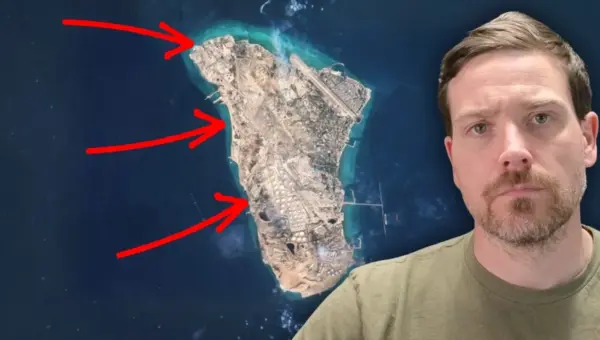
The U.S. may be considering a ground operation on Iran's Kharg Island, a key oil export hub. While some see it as a way to force Iran's surrender, experts warn it could be a costly trap, echoing concerns from past conflicts. Diplomatic talks continue, but distrust remains high.

Peace Dividend Fuels Market Rally: Experts See Opportunity
A 'peace dividend' is signaling a potential market rally as geopolitical tensions ease, drawing parallels to the 1990s. Experts highlight opportunities in consumer staples, industrial sectors, and key resources like copper, driven by U.S. economic expansion and supply-side policies.

US Marines May Seize Iran’s Kharg Island in Escalation
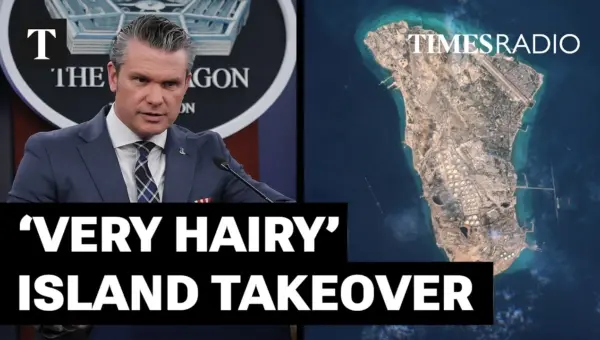
Conflicting reports surround the Iran conflict as the U.S. weighs a potential ground operation on Kharg Island, Iran's oil hub. While President Trump claims the war is nearing its end, military deployments suggest a possible escalation. Experts highlight the strategic importance and risks of seizing Kharg Island.