Kenyans Demand Answers Amidst Russian War Recruitment Crisis
Kenyan families are demanding answers and accountability as hundreds of their loved ones were allegedly lured to Russia with false job promises, only to be sent to fight in the Ukraine war. Many are now dead, wounded, or missing, leaving behind grieving relatives with no closure.

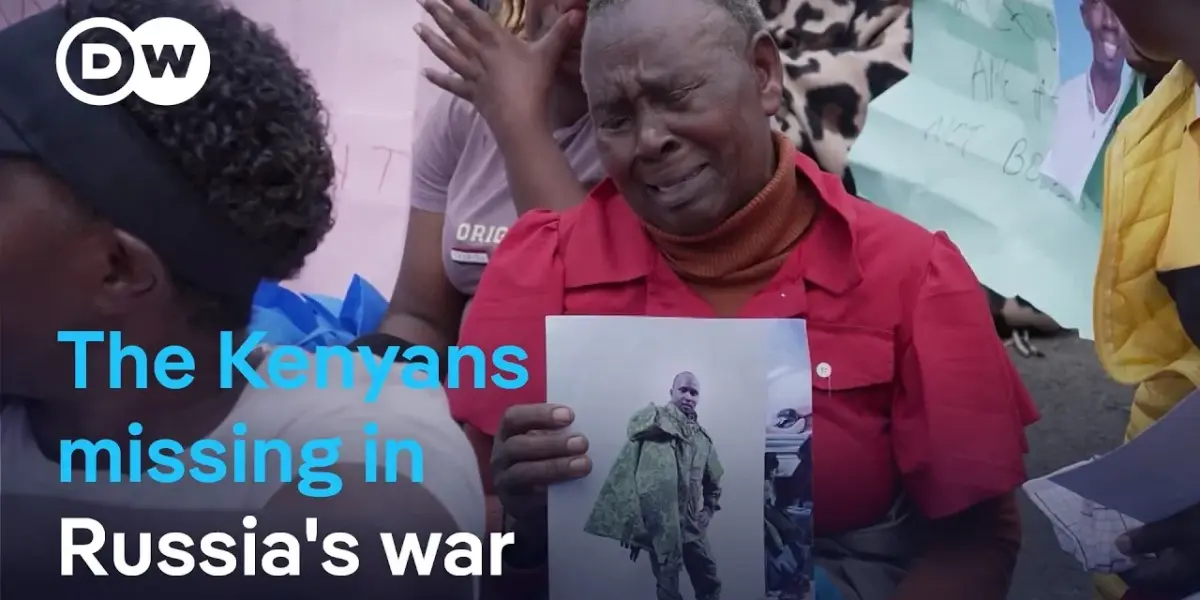
Kenyan Families Grapple with Uncertainty Over Loved Ones Recruited for Russia’s War
Nairobi, Kenya – The echoes of grief and unanswered questions reverberate through Kenyan communities as families struggle to come to terms with the fate of their loved ones lured to Russia with promises of employment, only to find themselves on the front lines of the war in Ukraine. A recent report has highlighted the grim reality for hundreds of Africans, with a significant portion believed to be dead, wounded, or missing. The uncertainty amplifies the pain for those left behind, who are increasingly demanding clarity and action from their government.
A Promise of a Job, A Reality of War
James Camo, a 33-year-old Kenyan, left his home last summer, enticed by the prospect of a truck driving job in Russia. Instead, he was thrust into the brutal conflict in Ukraine. His widow, heartbroken and in disbelief, has been waiting for any word from him for eight months. “I’m still in disbelief. We have had a memorial service, but I don’t believe it. I do not have his body or the badge they’re saying they identified him with,” she shared, her voice heavy with sorrow. “What will I tell my child? It would be nice if I told her, ‘This is where your dad is buried at this place.'” The pain is compounded by the lack of closure, leaving his daughter to question her father’s whereabouts after seeing his picture on a t-shirt.
James’s sister, Margaret, expressed her anger and frustration, directly blaming the Kenyan government for failing to protect its citizens. “For me, I can blame the government on all the deaths that have happened in Russia. I blame the government cuz I don’t see how a Kenyan citizen would travel out of the country without the knowledge of the government,” she stated. “He was the only brother I had and my heart is breaking. So for the government, let it bring back our brothers. Dead or alive, we will be ready for anything.”
Protests and Petitions: A Plea for Action
James Camo is not an isolated case. Approximately 50 families, united by their shared tragedy, gathered in Nairobi to protest the ongoing recruitment of Kenyans into the Russian army. Mothers, brothers, and human rights advocates marched through the capital, delivering a petition to Parliament in a desperate bid to be heard. One mother recounted her son’s experience: “My son was told there is a job in Russia as a driver. When he landed there, he told me, ‘Mom, the contract I’ve been told to sign is not that of a driver. I’ve been told I will be going to the front line.'” Her plea to the government is stark: “I don’t know whether my son survived. I don’t know what happened to my son. I am just asking the government to help us. We want our sons BACK DEAD OR ALIVE. We just want our sons.”
Government Response and Lingering Questions
A report presented to the Kenyan Parliament suggests that over 1,000 young Kenyans may have been recruited to fight in the Russian war. This alarming figure underscores the scale of the crisis. The Kenyan government has pointed fingers at “rogue agents” and acknowledged potential loopholes in immigration and documentation processes that may have facilitated clandestine recruitment operations. Investigations by the National Intelligence Agency have reportedly been presented to Parliament, indicating possible involvement of immigration systems and the use of tourist visas or transit through other countries to reach Russia.
Beverly Oeng, a political analyst with Control Risks, commented on the complexities of the situation. “We do see denials on both sides. So with Russia itself where most of these men have ended up they’ve said that they did not facilitate the travel for people were recruited into their forces but they also have a sort of legal loophole whereby foreign nationals can actually join what they call their special military operation in Ukraine,” she explained. “On the Kenyan side, there’s been investigations by the National Intelligence Agency demonstrating that there may be some loopholes in immigration in documentation which have allowed agencies that are operating clandestinely almost illegally in the country to be able to recruit people and send them to a foreign front line.”
The Role of Rogue Agents and Systemic Loopholes
The government’s stance that “rogue agents” are solely responsible has been met with skepticism. Oeng noted that the scale of such operations raises questions about the possibility of official, diplomatic, or institutional bypasses. “The bypasses themselves were probably very difficult to detect or that people have been operating in this system in a way that they were not being easily detected or being sanctioned by the government because the issue about responsibility is how far the government was actively involved in this process,” she stated. The analyst further elaborated on how various networks, not limited to Russian recruitment, often exploit systemic gaps. “There are various loopholes and gaps. People can access passports, air tickets, documentation, um being able to sign contracts and in many instances they’re taking advantage of the limited information of the target audience. In many instances, people who are desperate for employment, people who may not be as exposed to information or who are given misinformation, misrepresented for that information on behalf of an agency that is very difficult to be able to find.”
Diplomatic Efforts and Legal Recourse
Kenya’s Foreign Minister and senior cabinet secretary have reportedly engaged with Russia to seek further answers. This issue is not confined to Kenya; similar outcries have been heard in South Africa, involving high-profile figures. Oeng emphasized the need for vocal and legal action from governments. “The governments need to take vocal action and legal action to demonstrate that this is not tolerable and at the same time inform people so that they are aware and they do not fall into the same loopholes,” she urged.
Diplomatic and legal steps are crucial for tracing, identifying, and repatriating Kenyan nationals. However, this depends heavily on cooperation from both Russian and Ukrainian sides. While Ukraine has been more forthcoming with information, Russia, despite allowing foreign nationals to participate in the conflict, has been urged by Kenya for greater cooperation in identifying and repatriating its nationals. Families are seeking support from Kenyan consulates, but legal recourse is expected to be a lengthy process. Notably, unlike countries like South Africa, Kenya does not have specific laws against fighting in foreign countries, presenting another challenge.
Supporting Families and Ensuring Transparency
Moving forward, affected families require comprehensive support. This includes being vocal about instances where nationals are found on the front lines, facilitating their return, and providing crucial psychosocial support. “There are some traumatic incidents that they may have been involved in, we have seen some very disturbing videos and messages around how many of these nationals are being treated in the front line,” Oeng highlighted. Furthermore, strengthening immigration regulations, enhancing civic education to inform the public about their rights and responsibilities, and ensuring easy access to embassy contacts are vital steps. Public awareness campaigns are essential to prevent more individuals from falling victim to such deceptive recruitment schemes.
As investigations continue and families await definitive answers, the situation underscores a critical need for greater governmental accountability, robust international cooperation, and enhanced protections for vulnerable citizens seeking opportunities abroad.
Source: Kenyans seek answers on relatives lured into Russia's war | DW News (YouTube)

Related Articles

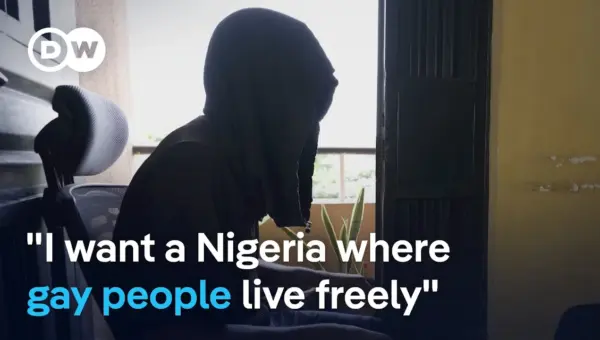
Nigeria’s ‘Kito’ Scam Targets LGBTQ+ People with Violence
Nigeria's LGBTQ+ community is facing a surge in violent 'Kito' scams, where victims are lured online, ambushed, beaten, and blackmailed. Rights groups report over 50 cases since December, highlighting the dangerous exploitation of anti-gay laws and societal homophobia. Survivors share harrowing accounts of physical and emotional trauma, living in constant fear.
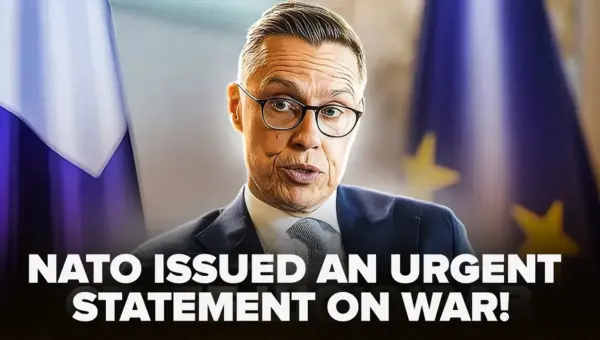
Ukraine Strikes Russian Oil Refinery, Eyes Iran Threat
Ukrainian forces struck a key Russian oil refinery, disrupting Moscow's war capabilities. Meanwhile, Finland's president urged continued U.S. support for Ukraine, as Kyiv shares its air defense expertise globally amid growing geopolitical complexities involving Iran and potential sanctions against Hungary.

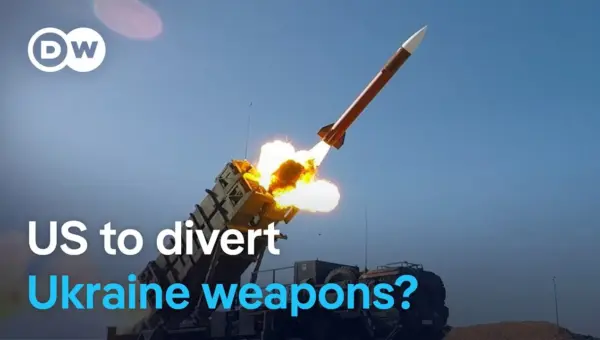
US Weighs Shifting Ukraine Weapons to Iran Amid Missile Shortage
The U.S. is reportedly considering diverting weapons destined for Ukraine to support operations against Iran, driven by rapidly depleted missile stocks. This potential shift raises concerns about Ukraine's defense capabilities and highlights the complex interplay between global conflicts.