Kenyan arrested for luring youth to fight in Ukraine
Kenyan authorities have arrested a man accused of luring young Kenyans with promises of well-paid jobs in Russia, only for them to be sent to fight on Ukraine's front lines. The suspect faces human trafficking charges as reports indicate over a thousand Kenyans have joined the Russian army.

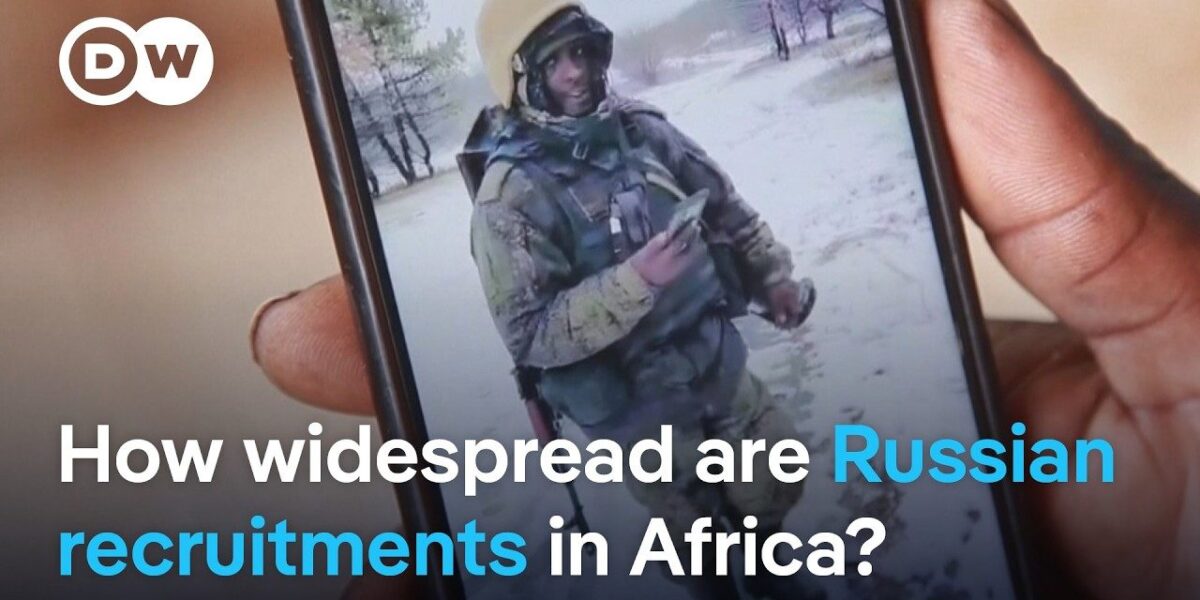
Kenyan Arrested for Alleged Human Trafficking to Russian Front Lines
Nairobi, Kenya – Kenyan authorities have apprehended a man accused of orchestrating a human trafficking scheme that lured young Kenyans with promises of lucrative employment in Russia, only to deliver them to the brutal front lines of the war in Ukraine. The suspect, identified as Fesus Oma, appeared in court facing charges of trafficking approximately 25 individuals, with accusations including human trafficking and recruitment for the purpose of exploitation.
Deception and Exploitation at the Forefront
According to prosecutors, Oma and others like him have been operating what appear to be rogue recruitment agencies. These operations prey on the economic vulnerabilities of young Kenyans, offering enticing prospects such as high-paying jobs as drivers, industrial workers, or even athletes. However, upon arrival in Russia, recruits are allegedly conscripted into the military with minimal to no training and deployed to combat zones in Ukraine.
This case is not an isolated incident. In September of the previous year, another Kenyan national was brought before the courts after 15 potential recruits were discovered in his apartment, awaiting transport to Russia. The pattern is disturbingly consistent: deceptive promises of financial security and career advancement mask a grim reality of forced participation in a foreign conflict.
“The common denominator has been the fact that majority of young Africans do not have jobs. Majority of them live from hand to mouth. And so when they are promised hefty signing bonuses such as $13,000 and a monthly payment of $2,000, then most of them have found themselves there.”
Escaping the War Zone
The harrowing experiences of those who have managed to escape the conflict paint a grim picture. At least 18 Kenyans have reportedly made their way back, many bearing physical and psychological scars. One particularly harrowing account describes a Kenyan recruit who feigned madness on the front lines, firing his weapon indiscriminately. He allegedly claimed to have lost his family in order to be granted leave to return to Kenya, effectively deserting the war.
Those who have returned consistently report being misled about their roles. Promises of substantial signing bonuses, sometimes as high as $13,000, and monthly salaries of $2,000, were the primary draw. Many were told they would be employed in various sectors, including driving or industrial work. Instead, they found themselves thrust into combat, facing injury and death.
A Wider African Recruitment Network
The recruitment of African nationals to fight for Russia extends beyond Kenya. Ukrainian government figures suggest that approximately 1,400 Africans from 36 different nations are currently engaged in the Russian war effort. This widespread recruitment highlights a concerning trend of exploiting economic hardship across the continent.
South Africa has also reported the deaths of two of its nationals fighting for Russia in Ukraine. The allure of significant financial incentives, coupled with a lack of employment opportunities in their home countries, makes these promises particularly appealing to vulnerable youth.
Calls for Action and Family Despair
Families of those recruited have been desperately petitioning both the Russian embassy in Nairobi and the Kenyan government to facilitate the return of their loved ones. However, efforts to repatriate these individuals have reportedly yielded little success, leaving families in a state of anguish and uncertainty.
Broader Implications and Future Concerns
This disturbing trend raises critical questions about human trafficking, the exploitation of vulnerable populations, and the role of foreign actors in exacerbating socio-economic challenges in Africa. The involvement of individuals in these recruitment schemes, often operating under the guise of legitimate agencies, underscores the need for stricter oversight and robust legal frameworks to protect citizens from such exploitation.
As the conflict in Ukraine continues, the potential for further recruitment of foreign fighters, particularly from regions facing economic instability, remains a significant concern. International cooperation and enhanced domestic measures are crucial to dismantle these trafficking networks and prevent future tragedies.
The ongoing legal proceedings against Fesus Oma represent a crucial step in holding perpetrators accountable. However, the broader issue of African nationals being drawn into foreign conflicts requires sustained attention from governments, international organizations, and civil society to ensure the safety and well-being of vulnerable youth across the continent.
Source: Man arrested for trafficking Kenyans to Russia's front lines in Ukraine | DW News (YouTube)

Related Articles

Trump’s Putin Stance: US Strategy and Global Implications
Analysis suggests Donald Trump's approach to the Ukraine war involves pressuring Kyiv, but US involvement is crucial for resolution. China's influence and the 'MAGA' agenda's geopolitical implications are key factors.


Melania Trump’s Quiet Diplomacy on Ukraine War
Former First Lady Melania Trump has emerged as an influential, though unofficial, voice on the Ukraine war, reportedly shaping her husband's perceptions and engaging directly on humanitarian issues like the deportation of Ukrainian children. Her advocacy, possibly influenced by her European background, has drawn international attention and sparked unique reactions, including widespread social media support from Ukrainians.

Iran’s Regime Under Siege: Attacks Cripple Leadership, Impact Russia
Iran's regime is reportedly facing critical blows from targeted attacks, crippling its leadership and severing a vital military supply line to Russia. This dual pressure is significantly impacting Russia's war efforts in Ukraine, while internal dissent grows within Iran.