Kenya Launches Long-Acting HIV Prevention Drug
Kenya has launched a new, long-acting HIV prevention drug, Lenacapavir, offering a six-month injection regimen that is over 99.9% effective. This initiative aims to simplify prevention and bolster the national fight against HIV, especially as the country faces challenges with reduced international aid.


Kenya Introduces Revolutionary HIV Prevention Drug
Kenya has initiated a groundbreaking rollout of a long-acting HIV prevention drug, marking a significant advancement in the nation’s ongoing battle against the virus. The new medication, known as Lenacapavir (branded as Sunlenca), offers individuals a highly effective, infrequent dosing schedule, simplifying HIV prevention compared to daily regimens.
A New Era in HIV Prevention
The introduction of Lenacapavir represents a pivotal moment in Kenya’s public health strategy. Health officials administered the first doses of the drug, which provides extended protection against HIV transmission. This innovation is particularly vital in a country where, according to the transcript, over 1.3 million Kenyans are living with HIV. The drug’s efficacy is reported to be over 99.9%, with patients requiring a single injection only once every six months. This contrasts sharply with existing daily oral pre-exposure prophylaxis (PrEP) medications.
“At a time when many of our young people still face the risk of infection, this innovation gives us renewed strength in our national fight against HIV.”
This sentiment from a Kenyan health official underscores the optimism surrounding the new drug’s potential to curb new infections, especially among vulnerable populations. The simplified dosing regimen is expected to improve adherence rates, a common challenge with daily medications, thereby enhancing the overall effectiveness of prevention efforts.
Patient Experiences and Adherence
Early recipients of the drug have expressed enthusiasm for the new, less burdensome approach to HIV prevention. One individual shared their experience, stating, “I decided to come and take Lenacapavir. I used to use the other PrEP, the daily one, and I started using it in 2017, of which put myself at risk because [of] risky behavior.” This quote highlights the practical challenges and potential for missed doses associated with daily PrEP, suggesting that the six-month injection schedule could significantly reduce the risk of transmission for individuals who struggle with daily adherence.
Addressing Funding Challenges Amidst Global Aid Shifts
The rollout of Lenacapavir is being facilitated through donations from the drug’s manufacturer and is part of a broader initiative across several African nations. Zimbabwe, for instance, administered its first doses in February. This program arrives at a critical juncture for HIV/AIDS initiatives across the continent, as many African countries are grappling with the impact of reduced funding from United States aid programs. These cuts have previously affected the continuity and reach of essential HIV/AIDS services, making innovations like Lenacapavir, especially when initially provided through donation, all the more crucial.
Broader Implications for the HIV Epidemic
The introduction of a highly effective, long-acting injectable PrEP is a significant public health achievement. It offers a powerful new tool to complement existing prevention strategies, such as condoms, testing, and daily oral PrEP. By simplifying the prevention process and potentially increasing adherence, Lenacapavir could play a substantial role in accelerating progress towards controlling and eventually ending the HIV epidemic in Kenya and beyond. Its success in Kenya may pave the way for wider adoption and integration into national HIV prevention programs across sub-Saharan Africa, a region disproportionately affected by the virus.
The Road Ahead
As Kenya continues its rollout of Lenacapavir, ongoing monitoring and evaluation will be essential to assess its real-world impact on infection rates and adherence. The long-term sustainability of such advanced treatments, particularly in the context of shifting global health funding, will also be a critical factor. The international community and local governments will need to collaborate to ensure continued access to these life-saving innovations, building on the initial momentum generated by this significant step forward in HIV prevention.
Source: Kenya rolls out HIV drug to stem spread of virus | DW News (YouTube)

Related Articles

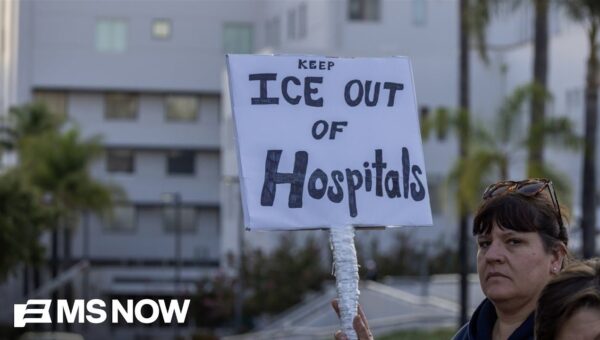
Trump Immigration Policies Fuel Healthcare Crisis, Doctors Warn
Immigration policies under the Trump administration are creating a public health crisis, forcing immigrants to avoid essential medical care and leading to preventable deaths. Doctors are warning of escalating costs and strain on healthcare systems as fear deters individuals from seeking treatment.
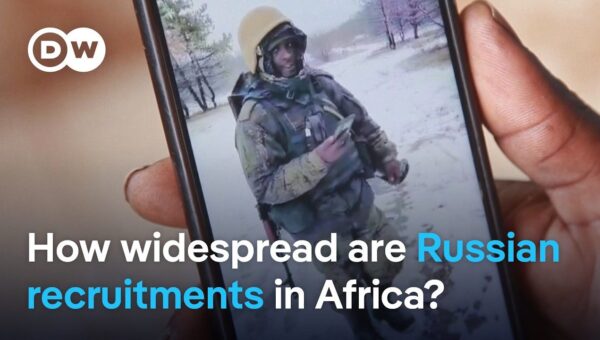
Kenyan arrested for luring youth to fight in Ukraine
Kenyan authorities have arrested a man accused of luring young Kenyans with promises of well-paid jobs in Russia, only for them to be sent to fight on Ukraine's front lines. The suspect faces human trafficking charges as reports indicate over a thousand Kenyans have joined the Russian army.


US Health Deals: Kenya, Zimbabwe Refuse Transactional Aid
The U.S. "America First" global health strategy is reshaping international aid with transactional bilateral deals, but has met resistance from nations like Zimbabwe and Kenya. Concerns over sovereignty, data privacy, and the terms of resource access are at the forefront of these rejections.