Keane Urges Decisive Action Against Iran’s Nuclear Program
General Jack Keane advocates for decisive military action against Iran's nuclear program, citing intelligence that Iran is actively rebuilding its capabilities. He argues that diplomatic efforts have been insufficient and that military operations are needed to prevent Iran from gaining nuclear leverage. The situation is complicated by international dynamics and alleged support for Iran from Russia and China.

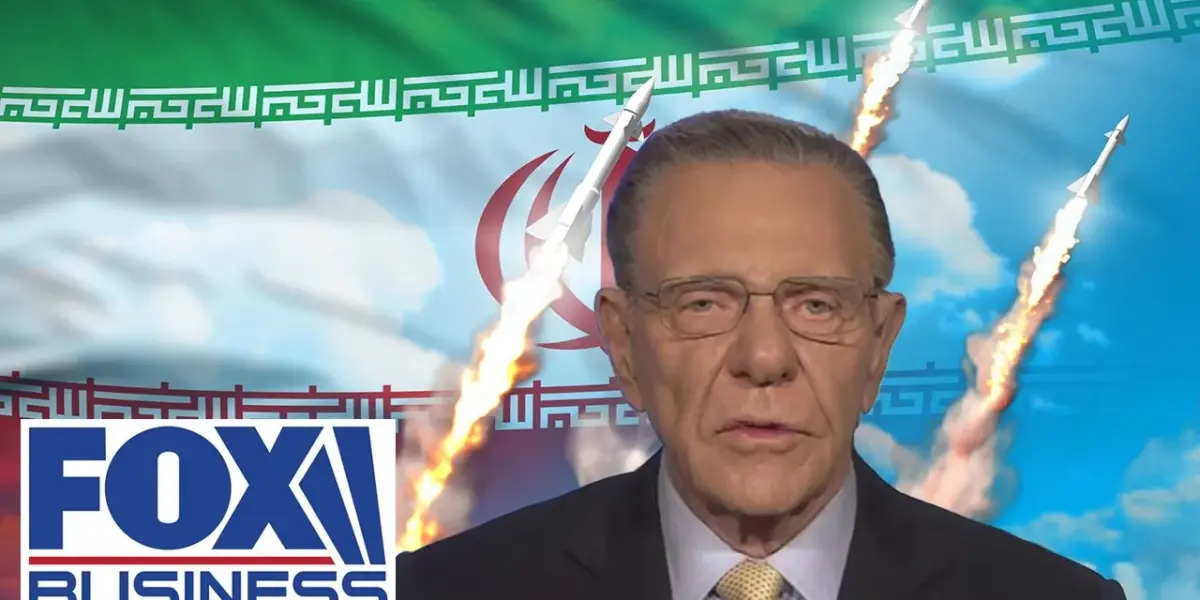
Keane Urges Decisive Action Against Iran’s Nuclear Program
General Jack Keane, a strategic analyst and chairman of the Institute for the Study of War, has called for decisive military action to halt Iran’s nuclear ambitions. He believes that diplomacy, while prioritized by the President, has not yielded sufficient results. Keane argues that Iran is actively working to rebuild its nuclear program and ballistic missile capabilities, posing a significant threat to regional stability and U.S. interests.
The President has stated that diplomacy is his top priority and that he made genuine efforts to engage with the Iranian regime before launching recent operations. Despite public statements from Iran suggesting progress in talks, U.S. intelligence indicates a different reality. Reports suggest Iran has agreed to some points laid out by the United States. However, if Iran rejects this opportunity, the U.S. military stands ready to ensure the regime faces severe consequences.
Uranium Threat Remains a Key Concern
A major objective in the conflict operations against Iran involves its uranium program. Following a recent military operation, much of Iran’s enriched uranium was believed to be destroyed or buried. However, intelligence suggests Iran is doubling down on its nuclear goals. They are reportedly recovering ballistic missiles with assistance from China and building thousands of drones. Crucially, they intend to revive their nuclear program.
The U.S. has obtained intelligence on specific sites where Iran plans to restart its nuclear program. The concern is that enriched uranium, which cannot be destroyed by airstrikes, may be hidden underground. This renewed nuclear capability would provide Iran with significant leverage over Israel and U.S. bases in the region. Iran’s strategy involves using confrontation and conflict to achieve its goals, which include destroying Israel and pushing the U.S. out of the region.
Military Operations Target Iran’s Industrial Base
The ongoing operations are designed to prevent Iran from gaining increased military capability. While the U.S. has destroyed most of Iran’s defense industrial base, which includes public and private sector firms supporting its military, the focus is shifting. For the past several days, Israel and the United States have been targeting Iran’s broader industrial base. This includes steel mills and other manufacturing capabilities that, while not directly military, sustain the regime’s economy.
These actions aim to push Iran back and gradually diminish its resources. The U.S. military is also considering operations related to nuclear enrichment facilities. If airstrikes are deemed necessary, it would require follow-up operations to fully dismantle the program. Securing the Strait of Hormuz, vital for oil distribution, is also on the military agenda. Kharg Island, which controls 90% of oil distribution, is another key area requiring attention.
Iran’s Deception and Hardline Leadership
General Keane described the situation as a condition-based operation, requiring constant adaptation to Iran’s actions. He noted that Iran is actively trying to deceive the U.S. by moving its assets, including drones and ballistic missiles. While most missiles have been destroyed, some remain underground. The Iranian leadership consists of hardliners who are making concessions extremely difficult. These hardliners are likely to suppress any internal dissent regarding negotiations.
Keane’s preference is to “finish it militarily.” He believes this approach would truly weaken the regime without providing it a lifeline through sanctions relief. He argues that concessions and the release of billions of dollars would only extend the regime’s lifespan for years to come. This stance contrasts with diplomatic efforts, which some leaders believe can achieve results within weeks, not months.
International Support and Russian Involvement
There are reports that the President has indicated he could end the conflict without reopening the Strait of Hormuz, even without full international cooperation. China has been a consistent player since the beginning, but sources suggest Russia has provided more support than China. Russian intelligence reportedly revealed the location of a damaged jet in Saudi Arabia to Iran, and Russian sources may have also revealed the location of U.S. airbases and ground assets in the region.
Furthermore, Russia is allegedly providing Iran with intelligence on U.S. ship movements and the technical know-how for using drones. Russian operational concepts, developed with some success against Ukraine, are being shared. This intelligence sharing extends to targeting specific assets and understanding U.S. defenses. Russia, China, and North Korea are seen as partners united against the United States, presenting a significant threat.
This article is based on an analysis of a YouTube video transcript and does not constitute financial advice.
Source: 'FINISH IT': Gen Keane calls for DECISIVE military action (YouTube)

Related Articles

US Forces Unleash Lethal Power in Operation Epic Fury
Operation Epic Fury showcases heightened U.S. military readiness and decisive action against Iran. Troops exhibit remarkable competence and urgency, supported by a robust defense industrial base. The operation aims to dismantle Iran's military capabilities, with a focus on rapid strikes and strategic degradation.

Zelenskyy Outmaneuvers Trump on Global Stage
Ukrainian President Zelenskyy is forging new defense and energy partnerships in the Middle East while strengthening European ties. This strategic diplomacy aims to secure Ukraine's future and counter Russian aggression, offering expertise in drone warfare. These moves come as former U.S. President Trump's policies are seen by some as benefiting Russia, creating a complex global security environment.


Trump Pushes Europe Towards Gulf Conflict
Donald Trump is urging European allies, particularly the UK, to take a more active role in the Middle East, suggesting direct confrontation in the Strait of Hormuz. As the US faces military strain, Trump employs his unique 'weave' communication style, using diversions to manage public perception and diplomatic pressure. The article also contrasts British expatriate experiences in the US with those in Europe, noting surprising hospitality in America versus perceived negativity and resentment in some European cities.