Kash Patel’s Job on Shaky Ground Amidst Trump’s Vanity
Whispers suggest Kash Patel's role in Trump's circle is at risk, potentially due to vanity and appearance concerns rather than policy. This highlights how image can influence political appointments, alongside broader trends of retiring politicians and the search for new presidential candidates.

Kash Patel’s Job on Shaky Ground Amidst Trump’s Vanity
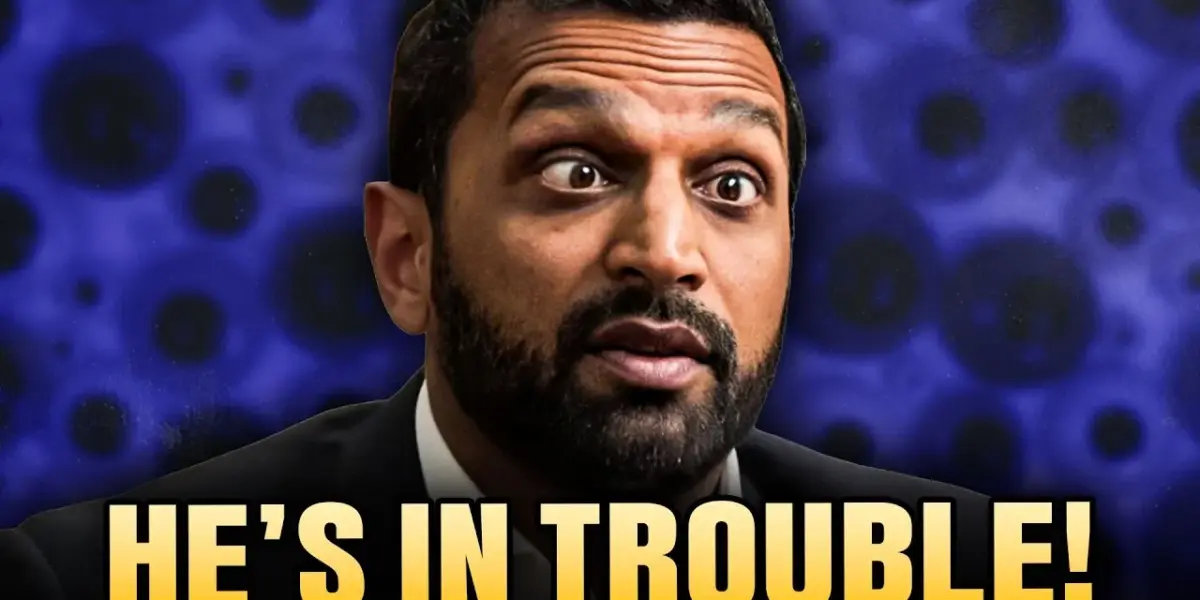
The political world is always buzzing with speculation, and lately, whispers about Kash Patel’s future within Donald Trump’s orbit have grown louder. Some observers suggest Patel’s position might be in jeopardy, not due to policy disagreements, but because of something as superficial as physical appearance. This idea, while seemingly trivial, touches on a deeper aspect of how some leaders make decisions. Trump, known for his focus on image and presentation, might be influenced by how his associates look. This could put Patel, whose appearance has been described in unflattering terms, in a difficult spot.
Appearance as a Factor in Politics
The idea that looks can play a role in political appointments is not new. Historically, leaders have often surrounded themselves with people they find visually appealing or who present a certain image. When it comes to Donald Trump, his own emphasis on appearance is well-documented. Reports and commentary suggest he values a certain aesthetic, both in himself and those around him. This focus on vanity could mean that even a loyal staffer like Kash Patel might face scrutiny based on how he looks, rather than just his performance or loyalty.
Speculation About Patel’s Future
Commentators have pointed to Patel’s perceived “weird eyes” as a potential issue for Trump, who is said to be very image-conscious. The argument is that Trump prefers people who look good and project a certain charisma. In contrast, someone described as a “crosseyed psycho” might not fit this mold. This perspective suggests that Trump might be thinking, “This guy probably needs to go,” because of how Patel presents himself. It’s a harsh assessment, but one that highlights the potential impact of subjective preferences on professional lives in high-stakes environments.
The Broader Political Landscape
Beyond the specific case of Kash Patel, the transcript touches on a wider trend: the growing number of Republican politicians deciding not to seek reelection. This phenomenon is often linked to the challenging political climate and the perceived difficulty of winning future elections. When experienced politicians step away, it creates openings and shifts the dynamics within parties. The commentary suggests that many of these Republicans may not expect to be reelected, leading them to exit public service.
Presidential Aspirations and Celebrity Candidates
The conversation also veers into the topic of who might run for president. There’s a clear aversion to seeing only “elderly white guys” in leadership roles. Figures like Jesse Ventura and Bernie Sanders are mentioned, but dismissed as potential candidates for various reasons. Ventura, a libertarian, doesn’t fit the bill, while Sanders, despite admiration, is seen as unlikely to run again. The idea of Michelle Obama running is also met with skepticism, as she has reportedly never shown interest in the presidency. The discussion highlights a desire for fresh faces and potentially a broader range of candidates, moving beyond traditional political figures.
Why This Matters
The speculation surrounding Kash Patel’s position, while focused on appearance, raises important questions about the criteria for advancement in politics. Does perceived attractiveness or a certain image matter more than competence or loyalty? This matters because it reflects on the values and priorities of leadership. If subjective aesthetic preferences can influence who holds power, it suggests a system that may not always prioritize the best qualifications. Furthermore, the discussion about retiring politicians and potential presidential candidates points to a period of significant transition and uncertainty in American politics. The desire for new leadership and the challenges faced by incumbents indicate a potential shift in the political landscape. Understanding these dynamics is crucial for voters trying to make informed decisions about the future direction of the country.
Historical Context
Throughout history, leaders have often been judged not only on their policies but also on their presentation. From ancient rulers to modern presidents, appearance has played a role, whether through carefully crafted speeches, public appearances, or the company they keep. The emphasis on image became particularly pronounced with the rise of television and, more recently, social media. Candidates and public figures are now constantly under scrutiny for how they look and act. This historical trend underscores why comments about physical appearance in politics, though often criticized, continue to surface and influence perceptions.
Future Outlook
The political future remains uncertain, with many established figures stepping aside and new contenders potentially emerging. The focus on image and appearance in political appointments, as suggested in the commentary about Kash Patel, could become even more significant in an era dominated by visual media. As political parties look to the future, they will need to consider how candidates are perceived, not just by their policies, but by their overall presentation. The upcoming elections and the search for presidential candidates will likely reveal more about these evolving trends. Whether voters will prioritize substance over style, or if image will continue to hold sway, is a question that will shape the political landscape for years to come.
Source: Kash Patel’s Career in MAJOR DANGER (YouTube)

Related Articles
GOP Exodus Signals Deep Trouble Ahead for Republicans
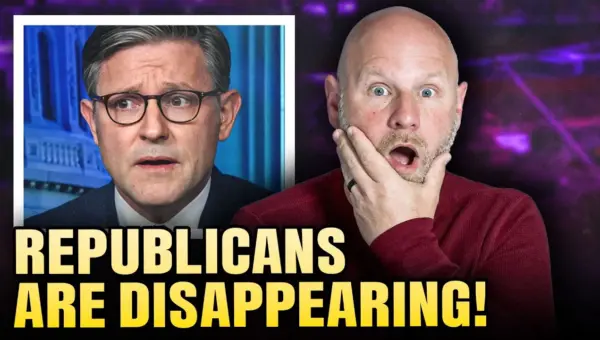
A record number of Republican lawmakers are quitting Congress, signaling deep internal struggles and potential electoral losses. This mass exodus, compared to historical downturns, suggests a party facing significant challenges in leadership and public trust.

MTG Attacks Trump: ‘America First’ Loyalty Tested
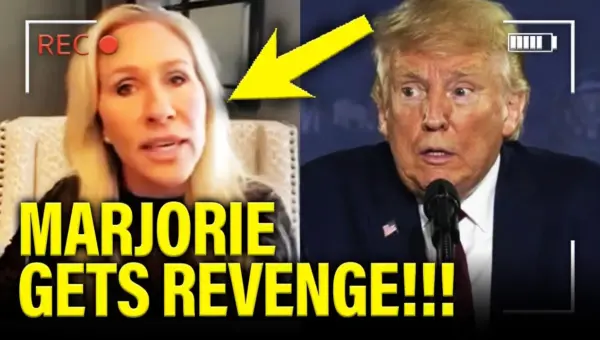
Congresswoman Marjorie Taylor Greene is publicly criticizing Donald Trump, arguing he has betrayed "America First" principles by prioritizing war over domestic issues. She is urging supporters to leave MAGA and is highlighting economic concerns like inflation and rising gas prices. This dissent signals a potential rift within the movement.
Trump’s Iran Threat: ‘Not Sane Messaging,’ Says Ex-Air Marshal
A U.S. airman was rescued after his F-15 jet was shot down over Iran, a mission President Trump lauded. However, Trump's subsequent aggressive threats towards Iran have drawn sharp criticism from former Air Marshal Greg Bagwell, who called the messaging 'not sane.' The operation highlighted the risks involved and raised questions about Iran's capabilities.