Karoline Leavitt’s Photo Fury Sparks Press Freedom Debate
White House Press Secretary Karoline Leavitt reportedly demanded the removal of an unflattering Thanksgiving photo, sparking debate over press freedom and public image. This incident echoes past controversies and raises concerns about controlling media narratives.

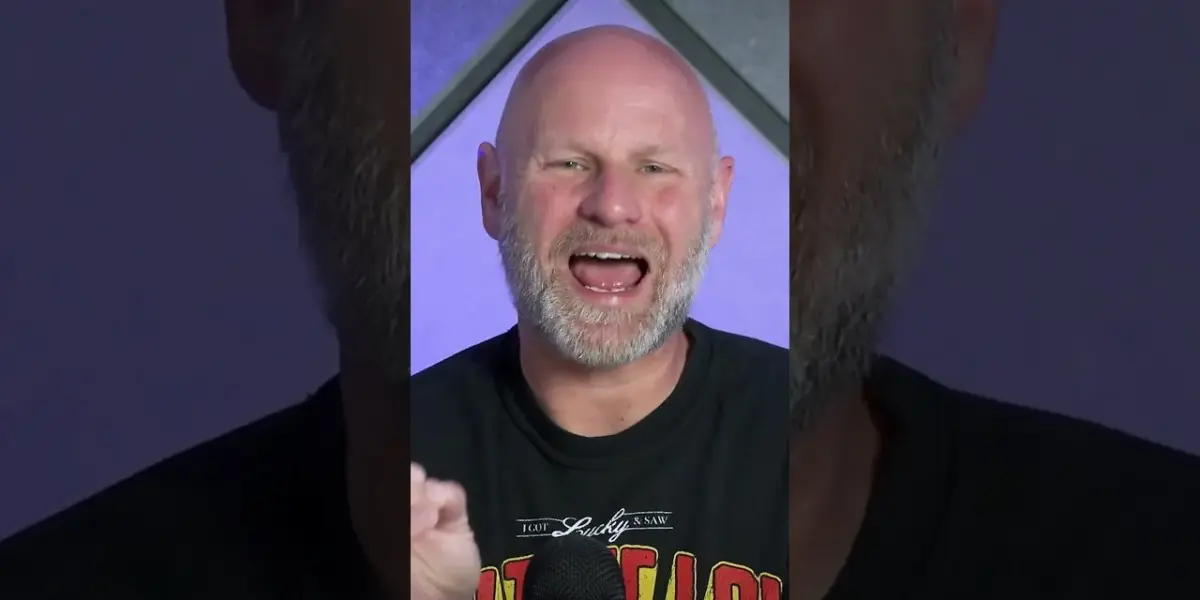
White House Aide’s Outrage Over Unflattering Photo Ignites Controversy
Reports have surfaced detailing White House Press Secretary Karoline Leavitt’s strong reaction to a photograph taken during Thanksgiving. The image, reportedly taken from a low angle showing her holding her son with a pardoned turkey in the foreground, allegedly caused Leavitt to demand its removal from news agencies.
The photograph, which some observers noted showed Leavitt with what appeared to be a double chin due to the specific camera angle, led to her contacting the agencies that distributed it. France-Presse (AFP) and Getty Images reportedly removed the image following her request. This incident has drawn criticism, with some labeling it a “temper tantrum” and questioning the motivations behind such a demand.
Critics argue that Leavitt’s actions highlight concerns about vanity and sensitivity to public perception, especially for a high-profile government official. They suggest that focusing on an unflattering angle in a widely circulated photo is a sign of shallowness. The argument is that Leavitt’s reaction stems from an inability to accept how she might appear to the public, suggesting a disconnect between her public image and her self-perception.
A Pattern of Photo Discontent?
This incident is not being presented as an isolated event. It echoes a previous report concerning Pete Hegseth, a former Pentagon official. According to a Washington Post report from a few weeks prior, Hegseth allegedly banned photographers from the Pentagon after an unflattering picture was taken of him. This suggests a potential pattern within certain circles of the administration where negative or simply unpolished images are met with strong disapproval.
The underlying issue in both situations appears to be a desire for control over public image. For figures in the public eye, particularly those in government, managing perception is often crucial. However, the methods employed in these cases raise questions about the boundaries between managing public relations and attempting to censor or suppress legitimate news photography.
Why This Matters
The controversy surrounding Karoline Leavitt’s reaction to the Thanksgiving photo touches on fundamental principles of press freedom and the public’s right to information. News organizations have a role in documenting events and presenting them to the public, which includes capturing candid moments. When public officials attempt to dictate which images are published or suppressed based on personal vanity, it can be seen as an attempt to control the narrative and undermine the role of the press.
This situation raises important questions about accountability and transparency. If officials are more concerned with their appearance than with substantive issues, it can detract from the important work they are supposed to be doing. The public has a right to see their leaders, warts and all, not just carefully curated images. The ability of photographers to capture unvarnished moments is vital for a healthy democracy.
Implications and Future Outlook
The incident involving Leavitt could set a precedent for how public officials interact with the media regarding imagery. If demands for photo removal become more common or successful, it could lead to a chilling effect on photojournalism. Photographers might become hesitant to capture candid shots for fear of retribution or alienating powerful figures. This could result in a media landscape where only the most flattering images are available, offering a less truthful representation of reality.
Furthermore, such events can erode public trust. When the public perceives that officials are more focused on image management than on policy or public service, it can breed cynicism. The long-term effect could be a public that is less engaged with and less trusting of both the government and the media. Moving forward, it will be crucial for officials to understand the importance of a free press and for media outlets to uphold their journalistic standards, even when faced with pressure.
Historical Context
The tension between public figures and the press over images is not new. Throughout history, politicians and celebrities have sought to control their public image, often through carefully managed photo opportunities and public relations campaigns. However, the advent of digital photography and social media has made it far more difficult to completely control how images are disseminated. What might have once been a fleeting, private concern can now become a public spectacle in minutes.
Historically, journalists have pushed back against attempts to censor or control their work. The right to photograph public officials in public spaces is a cornerstone of press freedom. While there are ethical considerations in photography, such as avoiding gratuitous or harmful images, the demand for removal based solely on personal dissatisfaction with one’s appearance is generally seen as an overreach. This latest incident is part of a long-standing debate about the power dynamics between those who govern and those who report on them.
Source: Karoline Leavitt CRASHES OUT (YouTube)

Related Articles
Trump’s Ballroom Dream Faces Legal Reality Check
A federal judge has blocked Donald Trump's White House ballroom project, citing a lack of congressional approval. Despite a recent commission vote, legal experts say the ruling stands, potentially heading to the Supreme Court. This case tests presidential power against constitutional checks and balances.
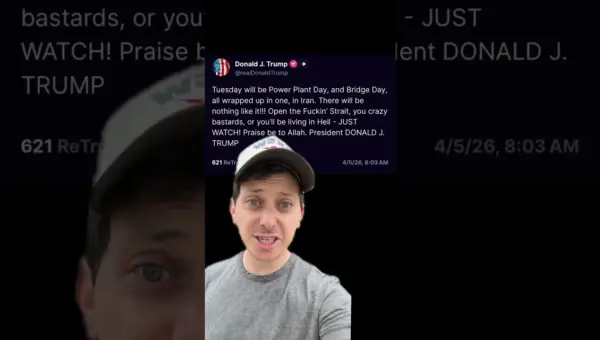
Trump’s Iran Threat: Media Softens, Risks Normalizing Dangerous Talk
Former President Trump's aggressive post threatening Iran has been met with softened reporting by major news outlets, raising concerns about normalizing dangerous rhetoric. Critics argue for unvarnished reporting to ensure public understanding of potential geopolitical risks.
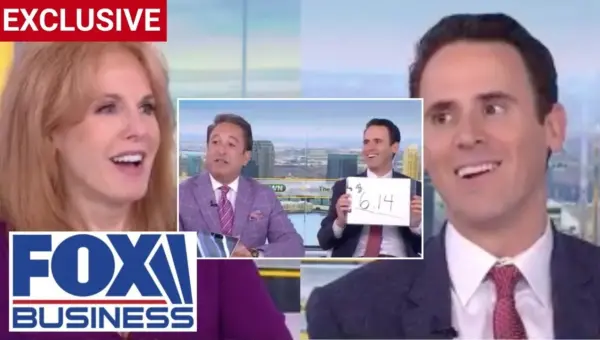
Mentalist Predicts $6.14 Gas Price, Links to Mom’s Birthday
Mentalist Oz Pearlman accurately predicted a $6.14 gas price, which matched the interviewer's mother's birthday, during a segment on financial anxieties. The event occurred ahead of Pearlman headlining the White House Correspondence Dinner.