Kansas Transgender ID Law Sparks Privacy, Safety Concerns
A new Kansas law requiring transgender individuals to display their gender marker on driver's licenses is drawing criticism for potentially compromising privacy and increasing anxiety. Critics fear the measure could lead to discrimination and echoes past issues faced by transgender voters with strict ID laws.


Kansas Law Mandates Gender Marker on Driver’s Licenses, Raising Alarms
A new law in Kansas requiring the gender marker of transgender individuals to be displayed on driver’s licenses has ignited significant controversy, with critics arguing it compromises personal privacy and could lead to discrimination and anxiety for the transgender community. The legislation, which implicitly forces transgender individuals to choose a gender marker that may not align with their lived identity, has drawn parallels to voter ID laws that have previously created barriers for transgender citizens.
The Personal Impact: Disclosure and Fear
The core of the concern lies in the mandatory disclosure of a gender marker that might not accurately reflect a person’s gender identity. For transgender individuals, presenting an ID with an incorrect gender marker can transform a routine transaction into a moment of profound vulnerability. Unlike cisgender individuals who may not give a second thought to sharing their gender, for transgender people, this disclosure can be fraught with anxiety.
“So anytime they present that ID, it’s to, you know, create confusion for the person looking at it um and basically just make it so that they have to disclose this very private information about themselves.”
The transcript highlights the stark difference in the experience of a cisgender person versus a transgender person in this scenario. While a cisgender woman, for example, might easily state, “I’m a female,” when asked for identification, this is not a difficult conversation. However, for a transgender person, the same question can be “terrifying.” The potential for confusion, scrutiny, and unwanted attention can create significant emotional distress.
Echoes of Voter ID Laws: Discrimination in Practice
The implications of this Kansas law are not purely hypothetical. A journalist recounts a past investigation into how strict voter ID laws in Tennessee impacted transgender voters. In that instance, individuals who looked like men but had an “F” (female) marker on their identification faced intense scrutiny at polling stations.
Poll workers, unfamiliar with the discrepancy, would often call over colleagues to verify the ID’s legitimacy. This process involved repeated checks of signatures against voter registration books, effectively creating a public spectacle. Such experiences not only make everyday life more difficult but also can discourage participation in fundamental civic duties.
The Anxiety of Public Scrutiny
The fear is that the Kansas law will replicate these stressful situations in various aspects of daily life. Whether it’s at a bar, a doctor’s office, or any situation requiring identification, a mismatched gender marker could lead to:
- Confusion and suspicion from officials or service providers.
- Unnecessary questions about personal identity.
- Potential for harassment or discrimination based on the visible discrepancy.
- A heightened sense of vulnerability and fear of outing oneself involuntarily.
Broader Implications for Transgender Rights
This legislation is seen by many as a step backward in the ongoing struggle for transgender rights and recognition. Critics argue that it prioritizes a narrow, traditional view of gender over the safety and dignity of transgender individuals. The requirement to display a gender marker that may be inaccurate can serve as a constant reminder of a person’s transgender status, potentially exposing them to risks in an environment that is not always affirming or safe.
The move by Kansas could embolden other states to consider similar legislation, creating a patchwork of laws that further complicate the lives of transgender individuals who travel or relocate. It raises questions about the role of government in mandating the disclosure of such personal information and the potential for these mandates to be used as tools for marginalization.
Looking Ahead: Legal Challenges and Community Response
As the law takes effect, attention will likely turn to potential legal challenges and the organized response from LGBTQ+ advocacy groups and allies. The experiences of transgender Kansans under this new ID requirement will be closely watched, as will any efforts to seek recourse or legislative change. The debate underscores the critical need for policies that respect individual autonomy and protect vulnerable populations from undue scrutiny and potential harm.
Source: How a Kansas law restricting transgender drivers' licenses could impact the community (YouTube)

Related Articles


Kansas’s Cruel Game: Targeting Trans Lives for Political Gain
Kansas's new law invalidates transgender individuals' previously updated driver's licenses, forcing them to reapply and pay fees. Critics decry the move as politically motivated cruelty targeting a marginalized community, creating unnecessary hardship and fear.

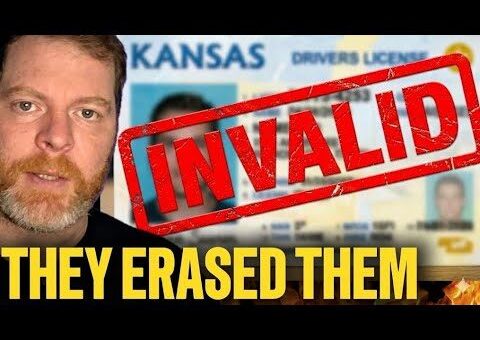
Kansas Law Sparks Outrage by Revoking Transgender IDs
Kansas lawmakers have enacted a law retroactively invalidating IDs for approximately 1,700 transgender residents, sparking outrage and concerns over civil rights. The legislation also includes a controversial bathroom ban with citizen enforcement provisions.

FBI Memos Reveal Verified Details in Epstein Accuser’s Account
Newly released FBI memos detail an accuser's claims of abuse by Jeffrey Epstein and Donald Trump. Investigative reporting by The Post and Courier has verified key background details of the accuser's story, lending credibility to her narrative.