Justice Served: Cold Cases Finally Cracked by New Tech!
Incredible advances in DNA technology and forensic science have finally cracked some of the most chilling cold cases. From the 1991 Yogurt Shop murders to a 1978 Oregon killing, justice is being served decades later. These breakthroughs offer closure to families and highlight the power of modern investigative tools.


Decades of Silence Broken: Tech Solves Chilling Cold Cases
For years, some crimes cast long shadows, leaving families and communities searching for answers. But in the past year, a wave of breakthroughs has brought long-awaited justice. Thanks to amazing advances in technology, especially DNA analysis, detectives have finally put names to killers in cases that went cold decades ago. It’s a powerful reminder that even after many years, the truth can still come out.
The Yogurt Shop Murders: A 30-Year Wait for Truth
One of the most shocking cases solved is the 1991 murder of four teenagers at a yogurt shop in Austin, Texas. Jennifer and Sarah Harbison, Eliza Thomas, and Amy Heirs were found brutally murdered after a fire at the shop. The investigation was tough, with false confessions and many suspects. Robert Springsteen and Michael Scott were even put on trial but later released when their convictions were overturned.
Now, in 2025, new DNA analysis has pointed to Robert Eugene Brashers, a serial killer, as the real culprit. A shell casing found at the scene even matched a gun Brashers used during a later police standoff that ended his life. This breakthrough gives closure to a case that haunted Austin for over three decades.
Diana Coon’s Murder: DNA Unmasks a Killer from 1978
In West Linn, Oregon, the 1978 murder of 20-year-old Diana Coon also saw justice after 40 years. David Lawrence Atkinson was questioned at the time and seen near the crime scene, but there wasn’t enough evidence to charge him. The forensic technology back then just wasn’t good enough.
Investigators revisited the old evidence, using modern DNA testing. This finally identified Atkinson as the person who assaulted and killed Diana. Sadly, Atkinson died in 1989, but prosecutors say if he were alive today, he would have been charged and likely convicted. A cold case review uncovered untested evidence, leading to this crucial DNA match.
South Carolina Predator Identified Decades Later
In the Myrtle Beach area of South Carolina, a predator caused widespread fear between 2000 and 2006. This individual attacked women but evaded identification for years. The case finally broke in 2025 when DNA testing linked him to a 2006 sexual assault case.
Technology advances helped police identify Randy Barnhill. He had attacked a woman working late at a local business. After years of the case going cold, a forensics company’s new technology provided the key. Barnhill later pleaded guilty and received an 18-year prison sentence, with no chance of parole.
Donna Ogle: A Truck Driver’s Crime Solved Through DNA Tracking
March 8, 1998, marked a tragic day in Toronto when 24-year-old Donna Ogle was found strangled. She was new to the city and her murder went unsolved for years. Investigators had DNA from the scene but no match in their system.
The case was revisited multiple times, even using a police podcast and YouTube appeals for tips. In 2022, investigators used DNA tracking, which led them to the killer’s family and then to the killer himself. Ronald Gordon Aur, a truck driver at the time, was identified. He was arrested in February 2025 and charged with first-degree murder, finally bringing closure to Ogle’s family.
Britain’s Oldest Cold Case Solved: A Palm Print and DNA Match
In what might be Britain’s oldest solved cold case, the 1967 murder of Louisa Dunn in Bristol has been cracked. Ryland Headley, who had a history of sexually assaulting elderly women, was the killer. He was sentenced to life in 1977 for other crimes but served only two years after his sentence was reduced.
Headley broke into Dunn’s home and murdered her, but investigators couldn’t identify him. In 2024, DNA evidence and a matching palm print from the window frame finally connected him to the crime. He was found guilty and sentenced to life in prison at the age of 92, a testament to persistent police work.
The Bearbrook Murders: A Daughter Identified After Decades
In New Hampshire’s Bearbrook State Park, a young victim, known only as Jane Doe for decades, has finally been identified. She was the middle child found murdered and left in a barrel. While other victims were identified, her name remained a mystery.
DNA testing linked her to Terry Peter Rasmusen, known as the Chameleon Killer. She was his biological daughter and possibly his victim too. In 2025, she was officially identified as Rehea Rasmmanson. Her mother, Pepper Reed, also disappeared and is believed to have died at Rasmuson’s hand. Rasmuson died in prison in 2010 without being charged for these crimes.
Palm Beach Jane Doe Gets a Name: Patricia Anne Richie
In 1978, skeletal remains were found by construction workers in Boca Raton, Florida. Anthropologists knew it was a young woman, but she remained unidentified for decades, known only as the Palm Beach Jane Doe. This changed in 2024 when investigators worked with a forensics company.
In 2025, she was finally identified as Patricia Anne Richie. She was last seen getting into the truck of an unknown person. Investigators are still trying to find out who this person was and what happened to her. Her death has been ruled a homicide, and the case remains open, but knowing her name is a step towards peace.
Scattered Man John Doe Identified After 180 Years
Starting in 1995, skeletal remains began washing up on New Jersey beaches, all seeming to belong to one person. This mystery man was known as the Scattered Man John Doe. It took a team of college students and their instructors to finally solve the case.
The students researched shipwreck records and found a newspaper article from December 1844 about a cargo ship sinking in a storm. Their findings pointed to the ship’s captain, Henry Goodell, who drowned with his crew. DNA testing using a sample from a living descendant confirmed the match in 2025. After over 180 years, the Scattered Man finally has a name.
John Curtis Patterson’s Murder: Ballistics Confirm Killer from 1975
In 1975, John Curtis Patterson was found murdered in a Boulder gas station bathroom, likely during a robbery. Investigators focused on Lewis Jess Loiierro, finding evidence like the murder weapon and a knife matching his wounds in his motel room. However, for unknown reasons, he was released before charges were filed, and the case went cold.
In 2025, authorities re-examined the evidence with new ballistics technology. This confirmed Loiierro was indeed the killer. Sadly, Loiierro died in 2024 before facing justice. Authorities stated he would have been charged with first-degree murder under the law at the time.
Katarina Reitz Brow: An Innocent Man Exonerated, True Killer Found
The 1980 murder of Katarina Reitz Brow in Ayer, Massachusetts, led to the wrongful conviction of Kenneth Waters. He spent 18 years in prison for a crime he didn’t commit. His sister, Betty Anne, fought tirelessly to clear his name, and he was eventually exonerated.
However, Brow’s real killer remained at large. Investigators reopened the case in the 2020s using modern forensic tools. In 2025, they identified Joseph Leo Budro, a man with a criminal past who lived nearby, as the true killer through forensic DNA technology. Budro had died in 2004, never facing justice for his horrific actions. For both the Brow and Waters families, this new evidence brings a measure of peace, even if justice arrived decades late.
Source: 10 Chilling Cold Cases That Have Been Solved In The Last Year (YouTube)

Related Articles


DNA Tech Hunts Killer, Offers Hope in Cold Cases
Investigative genetic genealogy is revolutionizing cold case investigations, offering new hope for families like Nancy Guthrie's. CC Moore, a pioneer in the field, explains how DNA technology helped solve the decades-old murder of Michella Welch, identifying a killer who had evaded justice for years. This powerful tool is now being applied to current missing person cases, potentially bringing closure.
Man Saws Off Ears for Role; Tiger Found in NYC Apartment
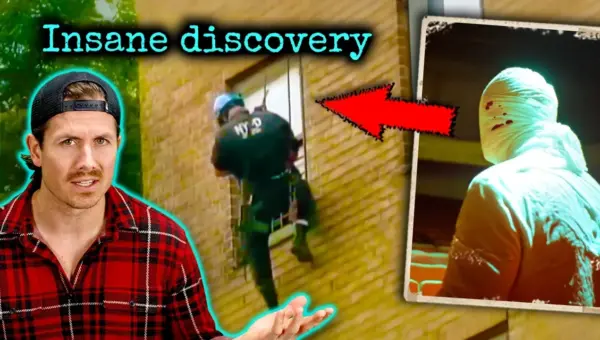
This article explores three bizarre true crime cases: a man who mutilated himself for an acting role, a New York City apartment found to house a 400-pound tiger, and a bank robbery foiled by the perpetrators' belief that lemon juice makes one invisible to cameras. These stories highlight extreme desperation, hidden lives, and the surprising effects of self-deception.

Serial Killer’s Plea Change Rocks Gilgo Beach Case
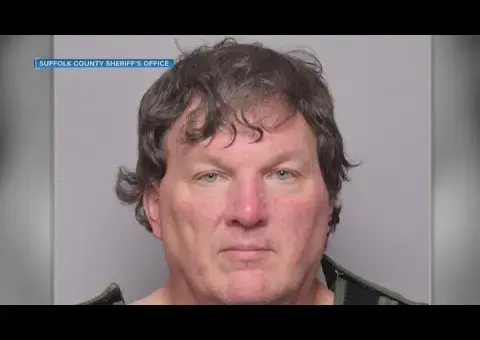
Rex Heuermann, accused in the Gilgo Beach serial killings, is reportedly changing his plea to guilty. This comes after months of denial, despite overwhelming DNA and digital evidence presented by investigators. The decision may signal a desire to avoid a lengthy trial and accept the consequences.