Justice Dept. Fails in Bid for Voter Data
The Justice Department is facing significant legal defeats in its efforts to obtain sensitive state voter data. Despite numerous lawsuits, the department has lost every case on its merits, raising concerns about its motives and strategy. The legal battles are now heading towards higher courts, including the Supreme Court.

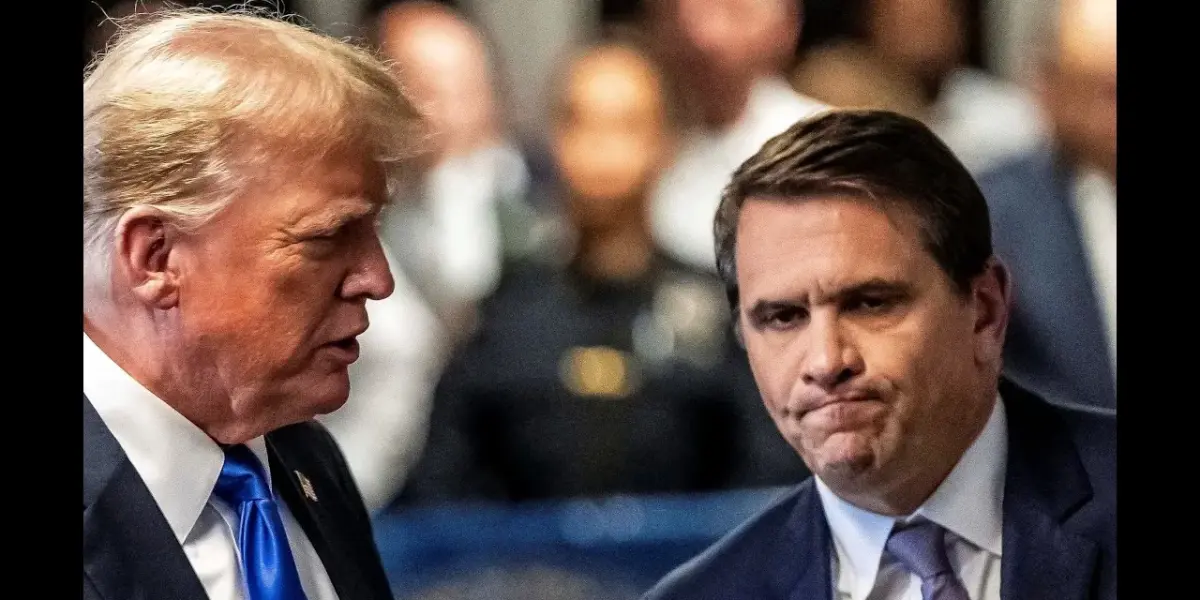
Justice Department Fails in Bid for Voter Data
The U.S. Justice Department has faced a string of setbacks in its attempts to gain access to sensitive voter information from states. These efforts, described as a top priority, have resulted in multiple court losses, raising concerns about the administration’s motives and future strategies.
Courtroom Defeats Mount
In a significant legal struggle, the Justice Department has filed over 30 lawsuits seeking access to highly sensitive voter registration data. This data includes personal details like Social Security numbers and dates of birth. So far, these efforts have yielded a perfect losing streak, with four court rulings going against the department. This record doesn’t even include cases dismissed for procedural errors, such as filing in the wrong court or failing to properly serve legal documents.
The losses have occurred across different levels of the judiciary, including rulings from judges appointed by both Democratic and Republican administrations. This suggests that the legal arguments presented by the Justice Department have not convinced a diverse group of jurists.
Legal Strategy Under Scrutiny
The core legal argument from the Justice Department has centered on the Civil Rights Act, suggesting the Attorney General has the authority to access this voter information. However, legal teams opposing these efforts have argued that the statute requires a factual basis for such requests, which they claim has not been provided. Furthermore, they contend that the Civil Rights Act does not permit the broad scope of data the department is seeking.
Early on, critics voiced concerns that the true goal was to create a national voter database. This database, they feared, could be used to control who can vote or be shared with other federal agencies for unrelated purposes. Initially, these concerns were dismissed as conspiracy theories.
However, recent statements from the Justice Department have shown a shift, with more cautious language about potential other uses for the data. Reports suggest these fears might be well-founded, indicating an effort to collect state data for political appointees to decide voter eligibility.
An executive order signed by the President, which mandates the federal government create a list of voters for mail-in voting, has been cited as evidence. Critics argue this could easily extend to determining who gets to vote at all, not just by mail.
Appeals and Supreme Court Hopes
Facing defeats in lower courts, the Justice Department is now racing to appeal these decisions. Their strategy appears to be aimed at reaching higher courts, including the U.S. Supreme Court. It is believed they hope for a more favorable outcome at the appellate or Supreme Court level.
The legal team involved in opposing these lawsuits has expressed confidence in their arguments. They point to victories in front of conservative judges as proof that their legal reasoning is sound. However, they also acknowledge the challenges of litigating voting cases before the current Supreme Court.
The Supreme Court has a history of making decisions that seem to favor political outcomes over established legal principles. We have seen instances where they have created new legal interpretations that benefit specific political figures. This makes any case reaching the Supreme Court a concerning prospect, especially when it involves sensitive issues like voting rights and election integrity.
Historical Context and Conservative Principles
The current legal battles touch upon fundamental questions about federal versus state power. The Civil Rights Act, passed during a tumultuous era to combat discrimination, granted significant authority to the Attorney General. The argument now is whether this power extends to creating a federal voter database, a concept many conservatives would typically oppose.
Historically, states have held the primary authority over managing their elections. This principle is often a cornerstone of conservative legal thought. The idea of a powerful federal entity dictating state election processes clashes with this emphasis on states’ rights.
Furthermore, the Supreme Court has, in the past, shown reluctance to involve itself in election disputes, particularly those that could be seen as promoting election denial. This reluctance stems from a desire to avoid the chaos and controversy that often surrounds challenges to election results.
The Supreme Court Question
The composition of the Supreme Court, with several justices appointed by Republican presidents, raises questions about how they might rule. While some might expect a leaning towards federal power in certain contexts, the principle of states’ rights and the potential for election interference could lead to a different outcome.
Legal experts suggest that conservative justices might be hesitant to grant broad federal power over state elections, especially using the Civil Rights Act in this manner. This is especially true given the court’s current stance on weakening certain voting rights protections and its past decisions to avoid interfering in election outcomes.
However, the partisan nature of the court and potential political motivations cannot be entirely dismissed. Some worry that justices might prioritize entrenching political power over strict legal interpretation.
Why This Matters
These lawsuits are not just about legal technicalities; they represent a critical fight for the integrity of elections and the protection of individual voting rights. The administration’s pursuit of sensitive voter data raises alarms about potential misuse and disenfranchisement.
The repeated losses in court suggest that the legal basis for these requests is weak. However, the persistent efforts and the push towards higher courts indicate a determined strategy that could have lasting implications for how voter information is handled and how elections are administered in the future.
Future Outlook
The legal battles are far from over. As cases move up the appellate ladder, the focus will remain on the core legal arguments and the potential for the Supreme Court to weigh in. The outcome of these cases could set important precedents regarding federal access to state voter data and the balance of power in election administration.
The administration’s continued pursuit, despite numerous setbacks, highlights the high stakes involved. The fight to protect voter data and ensure fair elections continues, with ongoing legal challenges shaping the future of democratic processes in the United States.
Source: Justice Department hit with STUNNING LOSSES in court (YouTube)

Related Articles

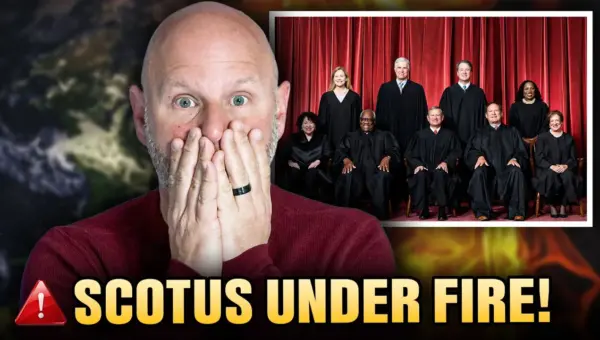
Calls Mount to Oust Justices Amid Ethics Crisis
Calls are growing to impeach Supreme Court Justices Clarence Thomas and Samuel Alito over alleged ethical lapses involving luxury trips and undisclosed gifts from donors. The debate highlights the lack of mandatory ethics rules for the court and the crucial role of the upcoming Senate elections in shaping its future.
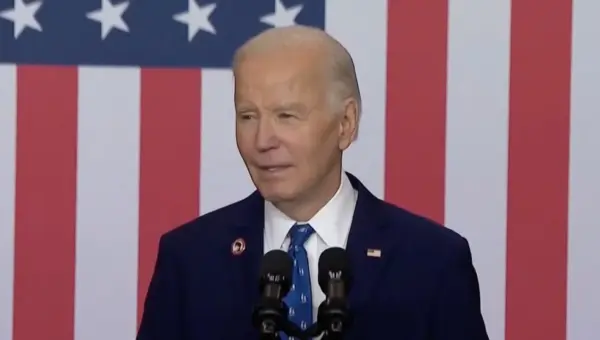
DOJ Admits State Dept. Silenced Speech, Settles Lawsuit
The Justice Department settled a lawsuit alleging the Biden State Department worked to silence disfavored speech online. The DOJ admitted the State Department promoted censorship tools, leading to suppression of protected speech. This settlement highlights concerns about government influence over online content.

Trump’s Election Playbook: Experts Warn of Deception, Disruption
Voting rights experts are sounding the alarm on former President Donald Trump's alleged strategy for the midterm elections, describing it as a "deceive, disrupt, deny" playbook. Analysts warn that Trump aims to undermine election integrity and potentially refuse to accept results if unfavorable. Extensive legal battles are underway to counter these efforts and protect voter access.