Jury Finds Meta, YouTube Negligent in Social Media Harm Case
A jury found Meta and YouTube negligent in a social media lawsuit, ordering them to pay $3 million for harming a young user with addictive design features. This landmark decision challenges Section 230 protections and could pave the way for more litigation against tech giants over mental health impacts.

Jury Finds Meta, YouTube Negligent in Social Media Harm Case
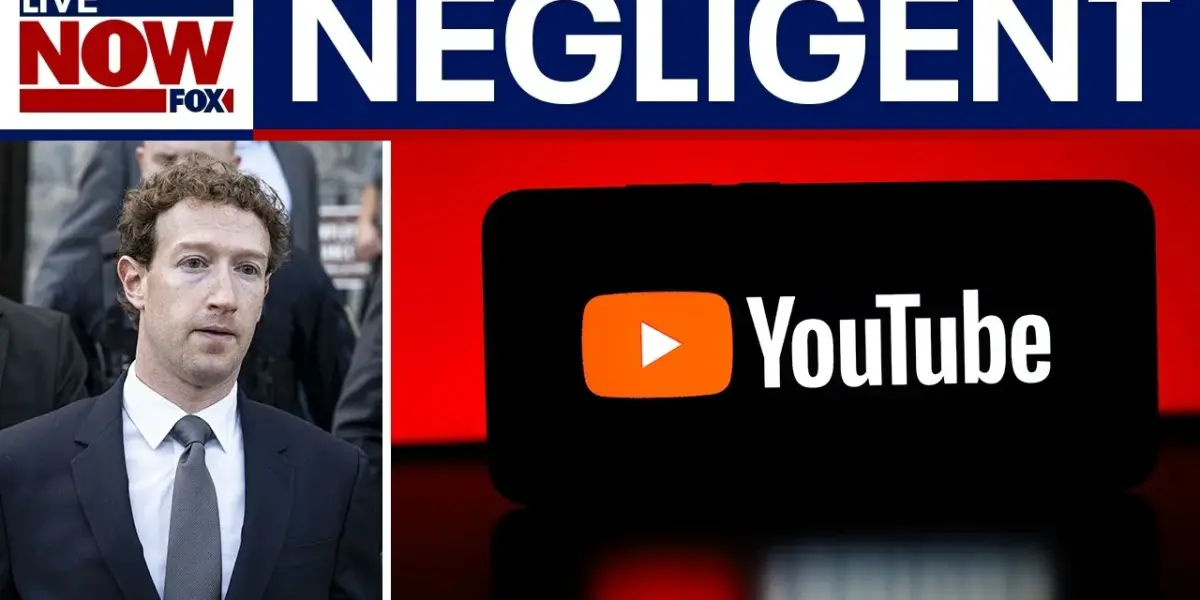
A jury has found Meta and YouTube liable for harming a young user through addictive design features, a landmark decision that could lead to more lawsuits against social media companies over user well-being. The companies were ordered to pay $3 million in damages for pain and suffering. Meta will cover 70% of the cost, with YouTube responsible for the rest.
Legal Precedent and Section 230 Challenges
This verdict marks a significant moment in legal battles against big tech. Historically, social media companies have been protected from liability for user-generated content by Section 230 of the Communications Decency Act. However, lawyers in this case, and a similar one in New Mexico, argued around this immunity. They focused not on the content itself, but on the app’s design and algorithms, which they claim push harmful content and contribute to mental health issues.
Legal analyst Nema Romani explained the strategy: “This isn’t about the content at all. This is about the app and the algorithm itself that pushes… dangerous product.” Romani compared the situation to past litigation against big tobacco and the opioid industry, suggesting social media’s addictive nature is now being treated similarly.
Plaintiff’s Experience and Jury Deliberation
The plaintiff, now 20 years old, testified that she began using YouTube at age 6 and Instagram at age 9, becoming “hooked.” This personal testimony, combined with the legal arguments, persuaded the jury. The length of the deliberation, a week and a half, suggests the jury carefully considered the evidence, though the recent, quicker verdict in New Mexico may have had an indirect influence.
Company Reactions and Appeal Prospects
Meta has stated they “respectfully disagree with the verdict and are evaluating our legal options,” signaling a likely appeal. Romani believes Meta’s strongest argument on appeal will be the federal immunity provided by Section 230, which may preempt state laws. The case could potentially reach the U.S. Supreme Court, where big tech may find a more favorable audience, as seen in a recent case where the court overturned a $1 billion verdict against an internet service provider.
Broader Legal Landscape and Future Implications
This Los Angeles case is not an isolated event. Thousands of similar lawsuits have been filed across the country. Attorneys general in states like California and Florida have also filed suits. Companies like Snap and TikTok’s parent company, ByteDance, have already settled similar cases rather than go to trial. If big tech loses on appeal, the financial consequences could be immense, potentially reaching billions of dollars, and could force significant changes in how they operate, especially concerning minors.
The Addictive Design Argument
Attorneys likened social media apps to a casino’s design, aiming to keep users engaged for as long as possible. Romani noted the difficulty in proving a direct link between addictive design and mental health issues, as it’s a novel legal argument. However, he believes the evidence is compelling, stating, “I do believe that these apps are addictive. I do believe that these companies haven’t done enough to protect children.” He sees it as a classic case of “profits over people,” drawing parallels to addictive substances and gambling.
Bellwether Trial and Potential for Snowball Effect
This verdict is considered a “bellwether trial,” meaning it serves as a test case for many others. Romani suggested that to mitigate future liability, tech companies might implement stricter age limits, such as 16 or 18, for their platforms. He warned that if companies don’t take proactive steps, a “snowball effect” of verdicts against them could occur as jurors in future cases are aware of these ongoing legal battles.
Punitive Damages and Regulatory Action
In the Los Angeles case, jurors are still deliberating on punitive damages. This phase requires companies to disclose their financials, as punitive damages aim to punish willful misconduct. In New Mexico, a judge is considering an injunction that could force Meta to change its business practices, going beyond monetary damages. This suggests that legal battles may result in significant operational changes for tech giants.
Push for Federal Legislation
Families involved in these lawsuits are looking to Washington D.C. to advocate for national laws. Romani supports this, emphasizing the need for federal regulation rather than a patchwork of state laws. He believes Congress must step in to regulate social media concerning children, as technology has outpaced current laws. He compared the situation to past legislative responses to issues with big tobacco, vapes, and opioids.
AI and Future Legal Frontiers
The discussion also touched upon the emerging field of Artificial Intelligence (AI) and its potential legal ramifications. Romani believes cases involving AI chatbots, such as one where a family claims a chatbot pushed their loved one to suicide, share parallels with social media liability. He argued that under product liability and negligence law, companies making billions of dollars can be held responsible if their products, whether a car or an algorithm, are knowingly dangerous.
Conclusion: The Beginning of a Legal Fight
This verdict is not an end but the beginning of a long legal fight. With grounds for appeal and numerous other cases pending, the future of social media regulation and corporate responsibility is being shaped. The legal community and the public will be watching closely as these cases progress through the courts and potentially influence legislative action.
Source: Meta, Google found negligent in social media trial (YouTube)

Related Articles

Social Media Giants Face Lawsuits Over Addictive Designs
Tech giants Meta and Google are facing significant legal challenges as juries find them liable for the addictive design of their platforms and the harm caused to young users. Recent verdicts in California and New Mexico have ordered the companies to pay millions in damages, highlighting concerns over mental health impacts and child exploitation.


New Food Channel Seeks 1,000 Subs, 4,000 Watch Hours
Content creators Joe and Naz have launched a new YouTube channel focused on food exploration. "Joe and Naz" aims to reach 1,000 subscribers and 4,000 watch hours to grow its audience. The duo plans to feature restaurant reviews, travel, and audience-suggested content.

Meta, YouTube Lose Landmark Cases Over Teen Harm
Meta and YouTube have been found liable in landmark cases alleging their platforms contribute to harm among teenage users. Juries saw through company denials after prosecutors presented damning internal documents showing awareness of negative impacts. This ruling could lead to significant changes in how social media companies are held accountable.