Jury Finds Meta, YouTube Liable for Making Apps Addictive to Kids
A Los Angeles jury has found Meta and YouTube liable for designing addictive social media platforms that harm children, ordering them to pay $6 million in damages. This landmark verdict holds the tech giants accountable for negligence in their platform design, a decision that could set a significant precedent for future legal challenges against Big Tech.

Tech Giants Held Responsible in Landmark Verdict
In a significant legal decision, a jury has found both Meta and YouTube responsible for designing their social media platforms in ways that contribute to child addiction. The verdict, delivered in Los Angeles, orders the tech giants to pay $6 million in damages. This ruling marks a pivotal moment, as it’s one of the first times major social media companies have been held accountable for the addictive nature of their products on young users.
Parents’ Pain Fuels Landmark Case
The trial centered on the devastating impact of social media on minors. Parents who have lost children due to the addictive qualities of these platforms were present throughout the proceedings, their emotional reactions palpable as the verdict was announced. The lawsuit was brought forth by a 20-year-old plaintiff, identified only by her initials K.G.M., who alleged that her depression, anxiety, and suicidal thoughts were worsened by her addiction to social media platforms like Instagram and YouTube. Her legal team argued that the companies were negligent in their design, making their apps intentionally addictive.
“This is a landmark moment. It will reverberate,” stated the plaintiff’s attorney following the verdict. “If the jury had returned to know, the champagne corks would be popping in the boardrooms of Google and Meta. But instead, Mark Zuckerberg has to take a phone call.”
Jury’s Findings and Damage Award
The jury determined that both Meta and YouTube were negligent in the design or operation of their platforms. This negligence was found to be a substantial factor in causing harm to the mental health of the plaintiff. The court awarded $3 million in compensatory damages, intended to cover the harm suffered by the individual. Of this amount, Meta is ordered to pay $2.1 million, and YouTube will pay $900,000. Additionally, the jury awarded $3 million in punitive damages, aimed at punishing the companies for their conduct. Meta faces $2.1 million in punitive damages, and YouTube faces $1 million.
While the total sum of $6 million might seem small compared to the immense wealth of these tech corporations, legal experts emphasize the case’s true significance lies in the precedent it sets. Over 1,500 similar cases nationwide were watching this trial closely. This verdict could embolden plaintiffs in those cases to pursue similar claims.
The ‘Casino Effect’ and Platform Design
The core of the legal argument focused not on the content shared on the platforms, but on the algorithms and design choices that encourage prolonged use. The plaintiff’s attorney, Mark Lanier, highlighted how these companies are aware of how to exploit developing minds. “To take that pre-teen, to take that teenager whose mind is still developing, and to be fully aware of how you can use a casino effect, which is what the YouTube documents talk about using a casino effect on a young, developing mind. That’s outrageous,” he stated. These are considered product liability cases, examining whether the platforms were negligently designed to be harmful.
Companies Plan Appeals, Legal Battles Continue
Both Meta and YouTube have issued statements expressing their disagreement with the verdict and have announced their intention to appeal. This means the legal battle is far from over, and the final outcome could take years to be determined through the appeals process. The comparison to the “Big Tobacco” legal battles of the past has been frequently made, suggesting that this verdict could force significant changes in how social media platforms are built and operated to avoid future liability.
Broader Implications for Big Tech
This ruling could signal a shift in how Big Tech is regulated and held accountable. For years, companies like Meta and Google have largely operated with legal protections, such as Section 230 of the Communications Decency Act, which shields them from liability for user-generated content. However, this case targeted the companies’ own product design. The outcome may influence future legislation and regulatory actions aimed at protecting children online.
Looking Ahead
The legal challenges for Meta and YouTube are just beginning, with appeals expected. Meanwhile, the broader societal conversation about the impact of social media on mental health, particularly for young people, is likely to intensify. Parents, policymakers, and tech companies themselves will be closely watching how this precedent-setting case unfolds in the coming months and years.
Source: Hallie Jackson NOW – March 25 | NBC News NOW (YouTube)

Related Articles


New Food Channel Seeks 1,000 Subs, 4,000 Watch Hours
Content creators Joe and Naz have launched a new YouTube channel focused on food exploration. "Joe and Naz" aims to reach 1,000 subscribers and 4,000 watch hours to grow its audience. The duo plans to feature restaurant reviews, travel, and audience-suggested content.


Meta, YouTube Lose Landmark Cases Over Teen Harm
Meta and YouTube have been found liable in landmark cases alleging their platforms contribute to harm among teenage users. Juries saw through company denials after prosecutors presented damning internal documents showing awareness of negative impacts. This ruling could lead to significant changes in how social media companies are held accountable.

Meta Whistleblower: Zuckerberg Ignored Child Safety Warnings
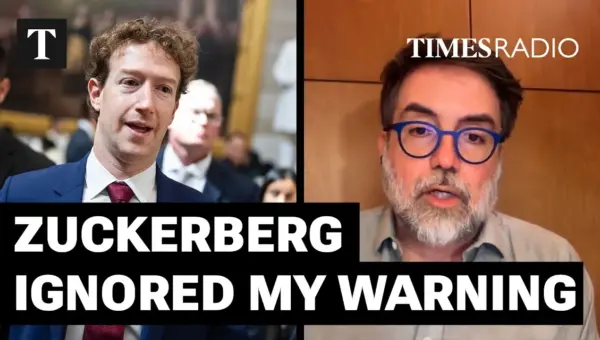
A former Instagram executive revealed that Meta knew about the harm its platforms caused to children but failed to act. Art Behar testified that Mark Zuckerberg ignored his direct warnings, highlighting the addictive design and ineffective safety tools on Instagram. The recent Los Angeles ruling against Meta has opened the door for greater scrutiny of big tech's practices.