Jury Finds Meta, YouTube Liable for Child Addiction
A California jury has ruled that Meta and YouTube are liable for knowingly designing addictive social media products that harm children's mental health. The landmark decision awarded $6 million in damages to one plaintiff and could impact thousands of similar lawsuits against tech giants.


Tech Giants Found Responsible for Addictive Design
In a groundbreaking decision, a California jury has found Meta, the parent company of Facebook and Instagram, and YouTube liable for knowingly designing their platforms to addict young users and harm their mental health. The ruling, delivered today, marks a significant moment in the ongoing debate over the impact of social media on children and could set a precedent for thousands of similar lawsuits.
Landmark Verdict in Social Media Addiction Case
The jury awarded a single plaintiff $3 million in damages for pain and suffering, plus another $3 million in punitive damages. This case focused on how the design of social media platforms can lead to compulsive use and negative psychological effects. Internal company documents presented as evidence reportedly showed that Meta and YouTube executives were aware of and discussed the detrimental impact their products had on children’s well-being.
Expert Analysis: A Turning Point for Big Tech?
Veteran technology journalist Jacob Ward described the verdict as having “just couldn’t be larger” significance for the companies involved. He noted that for years, society has tended to blame individuals for addiction or obesity, but this ruling shifts focus to the product design itself. “Now, a jury of 12 people… it turns out there is a science behind this,” Ward explained, referring to the psychological principles used in platform design. He argued this verdict signifies “the end of a social media era and I would argue, the end of an era of childhood as we’ve come to accept it.”
A Parent’s Fight for Accountability
Juliana Arnold, a founding member of Parents Rise, shared her personal experience, having lost her 17-year-old daughter Coco in 2022 after she met someone on Instagram who gave her fentanyl. Arnold was present at the trial and described the experience as bittersweet. “We’re there because the worst thing that ever happened to us was losing our child,” she said. “And then to hear the testimonies and see the evidence that shows that they knowingly… designed these products… to actually addict our kids, get them hooked, also amplify their pain… and put profit over their protections.”
Evidence of Deliberate Design
The trial highlighted evidence suggesting that social media companies understood the dangers associated with their platforms. Jacob Ward elaborated on the discovery process, stating, “the jury got to see how this company does the research internally that points out big dangers.” He added that the companies actively discussed the balance between potential profits and the harm they might be causing to young users. The defense for Meta and YouTube reportedly tried to argue that the plaintiff’s mental health issues were not solely caused by the platforms, but the jury seemingly concluded that the platforms exacerbated her problems.
Growing Public Awareness and the Path Forward
Both Ward and Arnold observed a growing societal awareness regarding the power and influence of social media platforms. “When we started this out, no one was really, like, talking about this issue,” Arnold recalled. “We didn’t know how dangerous they were. No one warned us.” She expressed hope that this verdict provides parents with crucial information and empowers them to advocate for legislative change. “Our stories were not enough, obviously. So we’re going to make sure that with this evidence, we get some legislation passed,” Arnold stated, emphasizing the need to protect the next generation.
Broader Implications and Future Cases
This verdict could be a major turning point, similar to how lawsuits impacted the tobacco industry decades ago. Experts believe it may serve as a bellwether for thousands of other lawsuits pending against social media companies across multiple states. The ruling suggests courts may begin to hold tech companies more accountable for the addictive nature of their products and their impact on user well-being, especially for minors.
What’s Next?
The legal and financial ramifications for Meta and YouTube are still unfolding. Attention now turns to whether this ruling will lead to significant changes in platform design, stricter regulations, and the outcomes of the numerous other cases pending against major social media players. Parents and lawmakers will likely be watching closely as these legal battles continue to shape the future of online safety for children.
Source: Addicted by design: Meta and YouTube found liable in LANDMARK ruling (YouTube)

Related Articles


New Food Channel Seeks 1,000 Subs, 4,000 Watch Hours
Content creators Joe and Naz have launched a new YouTube channel focused on food exploration. "Joe and Naz" aims to reach 1,000 subscribers and 4,000 watch hours to grow its audience. The duo plans to feature restaurant reviews, travel, and audience-suggested content.

Meta, YouTube Lose Landmark Cases Over Teen Harm
Meta and YouTube have been found liable in landmark cases alleging their platforms contribute to harm among teenage users. Juries saw through company denials after prosecutors presented damning internal documents showing awareness of negative impacts. This ruling could lead to significant changes in how social media companies are held accountable.

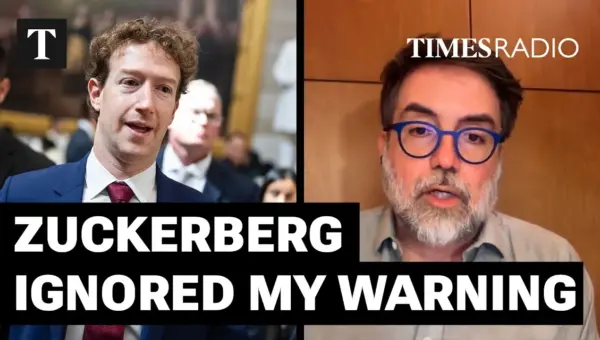
Meta Whistleblower: Zuckerberg Ignored Child Safety Warnings
A former Instagram executive revealed that Meta knew about the harm its platforms caused to children but failed to act. Art Behar testified that Mark Zuckerberg ignored his direct warnings, highlighting the addictive design and ineffective safety tools on Instagram. The recent Los Angeles ruling against Meta has opened the door for greater scrutiny of big tech's practices.