Jury Finds Meta, YouTube Liable for Addictive Platforms
A jury has found Meta and YouTube liable for designing addictive social media platforms, ordering them to pay $6 million in damages. The landmark verdict, which focused on the platforms' addictive features rather than user content, could set a precedent for over 1,500 similar lawsuits against tech giants. Meanwhile, the ongoing government shutdown continues to disrupt air travel and impact federal workers.

Tech Giants Face Landmark Verdict in Child Addiction Lawsuit
In a significant legal development, a jury has found Meta and YouTube responsible for designing social media platforms that are addictive to children. The verdict, delivered after extensive deliberation, orders the tech giants to pay $6 million in damages. This ruling marks a pivotal moment in the ongoing debate surrounding the impact of social media on young users and the accountability of major technology companies.
Parents Seek Justice Amidst Tragic Loss
The lawsuit was brought forward by parents who claim their children suffered severe mental health issues, including depression, anxiety, and suicidal thoughts, due to their addiction to platforms like Instagram and YouTube. One plaintiff, identified only by her initials K.G.M., a 20-year-old, testified that her social media use exacerbated her mental health struggles. Her legal team argued that the platforms were designed with features that deliberately foster addictive behavior, akin to a “casino effect” on developing minds.
“This is a landmark moment. It will reverberate,” stated Mark Lanier, the attorney representing the plaintiffs. “If the jury had returned to know, the champagne corks would be popping in the boardrooms of Google and Meta. But instead, Mark Zuckerberg has to take a phone call.”
Jury’s Findings: Negligence and Harm
The jury determined that both Meta (owner of Instagram) and Google (owner of YouTube) were negligent in the design or operation of their platforms. This negligence was found to be a substantial factor in causing harm to the mental health of young users. The damages awarded include $3 million in compensatory damages and $3 million in punitive damages. Meta was ordered to pay $2.1 million of the compensatory damages and $2.1 million of the punitive damages, while YouTube was ordered to pay $900,000 in compensatory damages and $1 million in punitive damages.
Precedent Set for Future Lawsuits
Legal experts view this verdict as a critical precedent, especially given that over 1,500 similar cases are pending nationwide. This ruling could embolden more individuals and families to pursue legal action against tech companies for the alleged harms caused by their platforms. The comparison to the “big tobacco” lawsuits of the past has been frequently drawn, suggesting that this verdict could force significant changes in how social media platforms are designed and operated to mitigate addictive features.
Tech Companies Vow to Appeal
In response to the verdict, both Meta and YouTube have issued statements expressing their disagreement and their intention to appeal the decision. The appeals process could be lengthy, meaning the full legal and societal impact of this case may not be realized for some time. The companies maintain that they are committed to the safety of their users and that their platforms offer valuable connections and communities.
Broader Implications and Future of Social Media
The case centered not on the content posted on the platforms, but on the underlying algorithms and design choices that encourage prolonged use. This distinction is crucial, as it bypasses protections like Section 230 of the Communications Decency Act, which shields platforms from liability for user-generated content. The ruling highlights a growing concern about product liability in the digital age, particularly concerning the well-being of minors. It raises questions about potential future regulations, such as age restrictions on platform use, similar to measures seen in countries like Australia.
Government Shutdown Continues to Disrupt Travel
In separate news, the ongoing partial government shutdown is creating significant chaos at airports across the United States. The head of the Transportation Security Administration (TSA) warned Congress that increased security risks are present, and smaller airports may be forced to close if staff shortages continue. TSA officers, along with other federal employees, have been working without pay for weeks, leading to increased absenteeism and longer wait times for travelers. This situation underscores the broader impact of the shutdown on public services and national security.
Political Stalemate Hinders Resolution
Negotiations between Democrats and Republicans to end the shutdown remain stalled. Democrats are seeking funding for the Department of Homeland Security that includes reforms to immigration enforcement, while Republicans, backed by President Trump, are focused on border security measures. The lack of a resolution is causing widespread frustration among travelers and federal workers alike, with many facing financial hardship due to missed paychecks. The TSA administrator noted that even after a deal is reached, it could take several days for affected employees to receive their back pay.
What’s Next?
The legal battle between parents and tech giants is far from over, with appeals expected to prolong the process. Meanwhile, the government shutdown continues to create significant disruptions, raising concerns about national security and the well-being of federal workers. All eyes will be on Capitol Hill for any signs of a breakthrough in the shutdown negotiations and on the courts as the implications of the Meta and YouTube verdict unfold.
Source: LIVE: NBC News NOW – March 25 (YouTube)

Related Articles

TSA Agents Face Financial Crisis Amid Government Shutdown
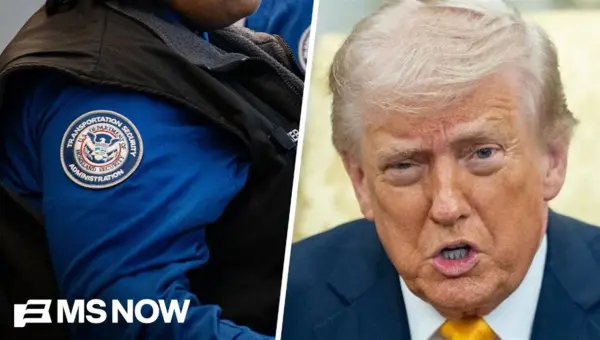
TSA officers are facing extreme financial hardship due to the government shutdown, with many going unpaid for over 40 days and resorting to selling plasma for money. Union representative Johnny Jones described the situation as a "real crisis," with agents feeling like "political pawns." He called for immediate payment and a $10,000 bonus to recognize their sacrifices.
House Republicans Push Clean Funding Bill to End DHS Shutdown
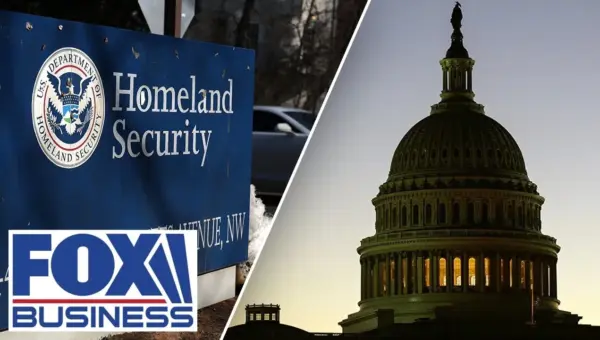
House Republicans are proposing a "clean" funding bill to keep the Department of Homeland Security operational, aiming to end a shutdown that has impacted federal workers. The bill seeks to extend current funding levels until May 22nd, bypassing contentious immigration policy debates. Republicans accuse Senate Democrats of using the process to push a "radical agenda" that would effectively defund border security.


Senate Passes DHS Funding, Easing Airport Chaos Amid Shutdown
The Senate has passed a bill to fund the Department of Homeland Security, offering relief to TSA officers facing missed paychecks and aiming to ease airport chaos. Meanwhile, a near-miss incident involving a passenger plane and helicopter in Los Angeles is under investigation. TODAY's Savannah Guthrie shared her enduring faith and hope amidst her mother's disappearance, announcing her return to the show on April 6th.