Judges Block Trump’s Efforts to Prosecute Political Foes
Judges and grand juries are increasingly blocking Donald Trump's attempts to prosecute political opponents. This trend highlights a resistance within the justice system to what is perceived as politically motivated legal actions, raising questions about the impartial application of law.

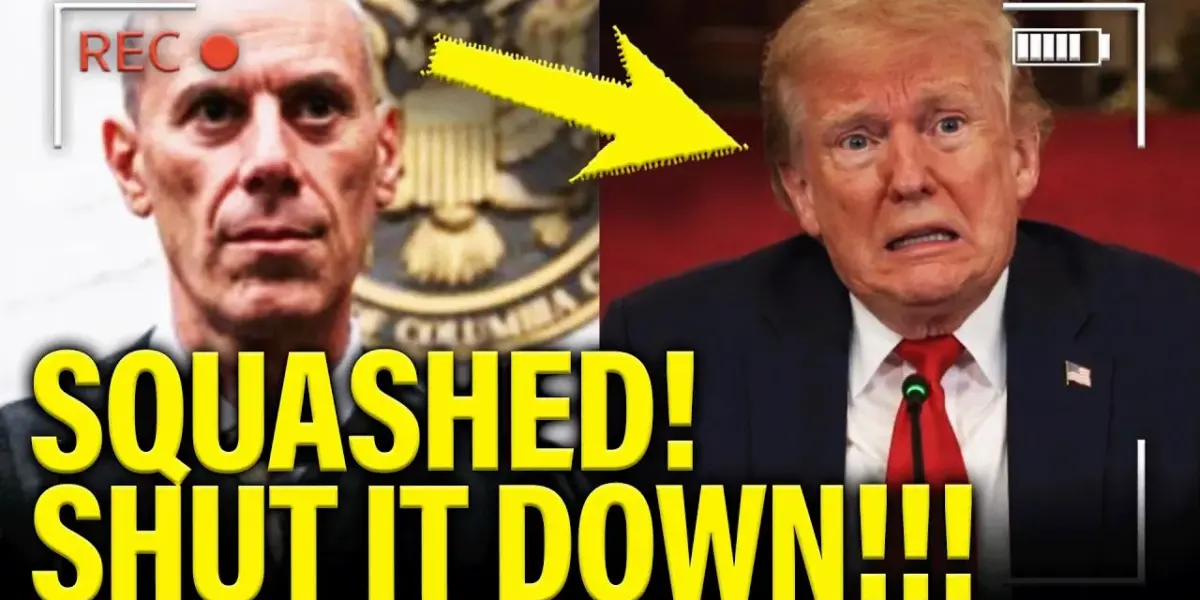
Judges Block Trump’s Efforts to Prosecute Political Foes
In a series of recent decisions, judges and grand juries across the United States have effectively halted former President Donald Trump’s attempts to bring charges against his political opponents. This trend suggests a growing resistance within the justice system to what is being described as politically motivated prosecutions.
Chief Judge Stops Grand Jury Subpoenas
A notable example comes from Chief Judge Beryl Howell of the U.S. District Court for the District of Columbia. She ruled that the Trump administration failed to meet the basic legal standard required to issue grand jury subpoenas against Federal Reserve Chairman Jerome Powell. This decision is significant because Chief Judge Howell oversees all grand jury proceedings in the D.C. federal court. The ruling indicates that even at the initial stage of an investigation, the evidence presented was insufficient to proceed.
Pattern of Rejections Against Trump’s Targets
This isn’t an isolated incident. The transcript highlights a pattern where Donald Trump’s Department of Justice has pursued cases against individuals like former FBI Director James Comey, members of Congress, and New York Attorney General Letitia James. In many instances, these efforts have been thwarted by various legal bodies.
Specific Cases Detailed
- Letitia James: Judge Liam O’Grady in the Eastern District of Virginia threw out indictments against Attorney General James. Two separate grand juries also refused to indict her, with one publicly stating its refusal based on the evidence presented.
- James Comey: A grand jury is reportedly considering whether the statute of limitations has expired for potential charges against Comey for lying to Congress. The speaker suggests this may be why further action is not being pursued.
- Members of Congress: A grand jury in Washington D.C., asked to indict several members of Congress who created a video reminding military personnel of their duty to disobey unlawful orders, refused to do so.
- Jerome Powell: Chief Judge Howell’s ruling effectively stopped an investigation into Federal Reserve Chairman Powell, stating the primary reason for the subpoena was harassment, not evidence of a crime.
Judicial Scrutiny and the Rule of Law
The speaker emphasizes that these rejections are not just coming from chief judges but also from juries and grand juries. They argue that these bodies are acting as a check on potential abuses of power. The narrative presented is one of dedicated legal professionals upholding the rule of law, even when faced with pressure from within the administration.
“It’s extraordinary. I can’t put too fine a point on how extraordinary the chief judge of a district finding that grand jury subpoenas were improperly issued.”
– Legal Analyst
Historical Context and Trust in Government
For decades, the federal government’s actions were generally trusted for their ethics and truthfulness. However, the speaker suggests this trust has eroded. Now, judges are reportedly scrutinizing the Department of Justice’s filings more closely. Some judges are even complimenting junior prosecutors who they believe are acting ethically and truthfully in court, seemingly to encourage such conduct.
Internal Resistance Within the DOJ
Beyond judicial rejections, there appears to be internal resistance within the Department of Justice itself. Many individuals reportedly resigned rather than violate their oaths or ethical principles. Others who remained are said to be refusing to pursue indictments they believe would be improper or violate Department of Justice guidelines. This internal dissent is presented as another layer of protection for the justice system.
Why This Matters
This situation is crucial because it speaks to the fundamental principles of justice and the potential for political influence within the legal system. When the tools of prosecution are seen as being wielded for political gain rather than for legitimate law enforcement, it can undermine public trust. The actions of these judges and grand juries, as described, represent a defense of the impartial application of the law. They suggest that the justice system, at various levels, is pushing back against attempts to weaponize it for partisan purposes. This could set a precedent for how future administrations handle investigations and prosecutions involving political figures.
Implications and Future Outlook
The trend of indictments being blocked has significant implications. It could embolden those who feel targeted by the former president and his allies. It also raises questions about the effectiveness of future investigations initiated by Trump’s appointed officials. If judges and grand juries continue to find the evidence lacking or the motives questionable, it could lead to a perception that certain individuals are above the law, or conversely, that the justice system is functioning as intended by providing checks and balances. The future outlook depends on whether this pattern continues and how these legal battles are ultimately resolved in higher courts.
Source: Trump in TOTAL DEFEAT as INVESTIGATION Gets SHUT DOWN (YouTube)

Related Articles
Polls Spell Doom: Republicans Face Voter Backlash
New polling data reveals a sharp decline in public confidence regarding the economic impact of Republican policies, particularly under Donald Trump. A significant majority now feel financially worse off, a trend that is especially pronounced among independent voters. This economic discontent poses a major challenge for the Republican party heading into future elections.
DOJ Official’s Remarks Spark Outrage Over Political Allegations
A top Trump DOJ official's speech at CPAC has sparked controversy, with claims of incriminating admissions regarding fears of prosecution and alleged political motivations. The remarks have raised serious questions about impartiality within the Department of Justice.

Trump Delays Iran Strike Deadline Amidst Shifting Diplomacy
President Donald Trump has extended his deadline for potential strikes on Iranian energy plants to April 6th, amid reports of U.S.-Iran diplomatic talks mediated by Pakistan. This move comes as Israel continues its strikes on Iran and the U.S. deploys additional military assets to the region. Analysts point to mixed signals, economic pressures, and strategic miscalculations as key factors shaping the evolving situation.