Judge Slams Trump’s White House Plans With Fury
A federal judge has issued a strong order halting Donald Trump's planned White House ballroom, citing a lack of Congressional approval and overreach of presidential authority. The judge's unusually forceful opinion emphasizes that presidents are caretakers, not owners, of national historic sites. The case is now heading to an appeals court.


Judge Slams Trump’s White House Plans With Fury
A federal judge has put a stop to Donald Trump’s plans to build a large ballroom at the White House. The judge, Richard Leon, didn’t hold back his feelings about the project. He issued a preliminary injunction, which is a court order to pause something. This ruling means Trump cannot move forward with building the ballroom for now.
Trump’s Ballroom Project Halted
The core of the issue is who has the authority over government buildings like the White House. Judge Leon made it clear that the President is a caretaker of these historic places, not an owner. He emphasized that Congress holds the power over government property and its funding. This means any major construction or demolition projects need approval from Congress.
The judge’s opinion was unusually strong. He used 19 exclamation points in his written ruling. This shows how strongly he felt about Trump’s actions. He stated that the President cannot just tear down or build government structures without consulting Congress or groups like the National Trust for Historic Preservation. This organization is tasked by Congress with protecting historic government buildings.
Arguments and Rejections
Trump’s legal team offered several reasons why the ballroom project should be allowed. One argument was that the project was coming in under budget and ahead of schedule. Judge Leon found this argument weak. He pointed out that this logic could allow anyone to tear down any government building if they promised a cheaper replacement.
Another argument from Trump’s lawyers was that presidents have the authority to make minor renovations to the White House. They cited examples of past presidents making smaller changes. However, the judge ruled that tearing down an entire wing of the White House and planning a massive ballroom was far beyond minor renovations. The scale of the planned ballroom, which is said to dwarf the remaining White House structure, further supported the judge’s decision.
Why This Matters
This case highlights the system of checks and balances in the U.S. government. It shows that even a President cannot act without following established laws and procedures. The ruling reinforces that Congress has significant oversight over government property and spending. It also brings attention to the role of organizations like the National Trust for Historic Preservation in safeguarding national heritage.
Historical Context
For decades, presidents have made changes to the White House, but major projects have typically involved Congressional approval. The National Trust for Historic Preservation was established by Congress to ensure that historic buildings are preserved. This lawsuit by the Trust, and the judge’s strong reaction, suggest that Trump’s actions were seen as a significant overstep of presidential authority.
The Appeal and Future Outlook
Donald Trump’s lawyers quickly filed a notice of appeal. This means the case will now go to a higher court, the DC Federal Circuit Court of Appeals. The judge has paused his own order to give Trump the chance to appeal. This means the construction is halted for now, but the legal battle is far from over. There is a possibility that if the appeal process takes too long, the ballroom might not be completed before Trump leaves office in 2028.
Some observers have noted that Congress has often been accommodating to Trump’s initiatives. If the project eventually gets Congressional approval, it could still move forward. However, the strong stance taken by Judge Leon sends a clear message about the limits of executive power.
Broader Implications
The debate over the ballroom touches on larger questions about presidential power and the preservation of national landmarks. It also brings up past controversies, such as Trump’s name being added to the Kennedy Center, which also faced legal challenges. The strong language used by the judge suggests a frustration with what he saw as arbitrary decision-making and a disregard for legal processes.
The outcome of the appeal could set a precedent for future presidential actions regarding historic government properties. For now, the future of the ballroom remains uncertain, hanging in the balance of the appellate court’s decision.
Source: Prosecutor gives MAJOR UPDATE on Trump ballroom ruling (YouTube)

Related Articles

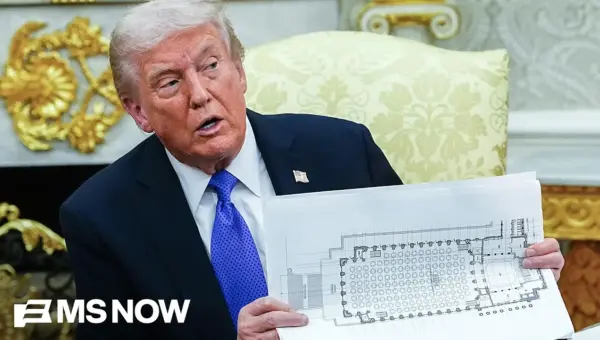
Judge Halts Trump Ballroom Project, Cites Presidential Authority
A federal judge has halted President Trump's White House ballroom renovation, citing the need for Congressional authorization. The ruling emphasizes the President's role as a steward, not an owner, of the historic building. This decision comes amid ongoing international conflict and rising gas prices, drawing parallels to the administration's handling of foreign policy.


Gas Prices Soar as War Fears Grip Markets, Congress Abandons DC
Gas prices are soaring nationally, reaching an average of $4 per gallon, fueled by concerns over the war with Iran. Meanwhile, a federal judge has halted construction on President Trump's White House ballroom, and Congress has left Washington amidst a government shutdown, drawing public criticism.

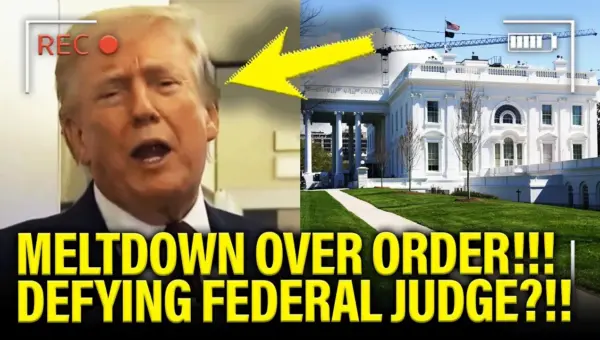
Trump’s Golden Ballroom Blocked: A Clash Over Power and Legacy
A federal judge has blocked Donald Trump's $400 million "golden ballroom" project at the White House, citing constitutional violations. Trump has since tried to rebrand the project as a national security necessity to counter drones, sparking a clash over executive power and the rule of law.