Judge Scolds Trump DOJ for ‘Harassment’ in Powell Subpoena Case
A federal judge has sharply criticized and quashed subpoenas issued by the Trump Justice Department to Federal Reserve Chair Jerome Powell. The judge ruled the investigation was "unfounded" and primarily aimed at "harass[ing] and pressure[ing]" Powell. The decision is seen as a major victory for the independence of the Federal Reserve.

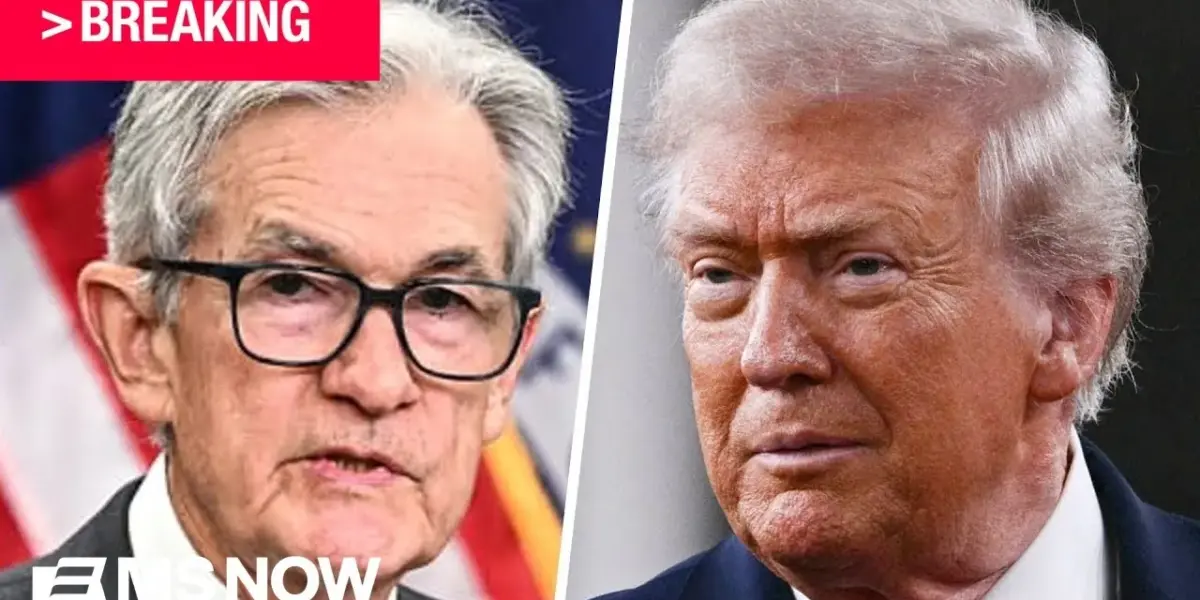
Judge Rules Against Trump DOJ in Jerome Powell Subpoena Case
In a significant rebuke to Donald Trump’s Department of Justice, a federal judge has quashed subpoenas issued to Federal Reserve Chair Jerome Powell. U.S. District Judge James Boasberg ruled that the subpoenas, served by the DOJ and U.S. Attorney Janine Pirro, were part of an unfounded investigation. The judge stated there was “abundant evidence that the subpoena’s dominant, if not sole purpose, is to harass and pressure Fed Chairman Jerome Powell, either to yield to the president or to resign, to make way for a Fed chair who will.” He further noted that the government offered no evidence that Powell committed any crime other than displeasing the president.
Investigation Deemed Pretextual and Politically Motivated
The ruling suggests that the investigation into the renovation of the Federal Reserve building was a pretext for the Trump administration to exert pressure on the Federal Reserve. Judge Boesberg’s opinion explicitly criticizes the administration’s tendency to pursue political enemies, referencing public statements made by the president. The judge highlighted that the Office of the Inspector General had audited the Fed building renovation in 2022 without raising concerns about criminality, and is currently conducting another review.
“The president’s aggressive demands that the Federal Reserve implement his desired monetary policy coupled with his direction to prosecutors to target his enemies, leave no doubt about what is really going on here.”
– Judge James Boesberg
Judge Boesberg, described as a well-regarded establishment figure rather than a far-left judge, made it clear that he could discern the underlying political motives behind the investigation. He stated, “Even where the court’s review of executive action is deferential, the court is not required to exhibit a… naivete from which ordinary citizens are free.” This indicates a judicial recognition that the investigation was not based on genuine legal grounds but rather on political pressure to influence monetary policy.
Economic Experts Weigh In on Ruling’s Implications
The ruling has drawn reactions from economic experts who view it as a crucial defense of institutional independence. Neil Irwin, Axios’ Chief Economic Correspondent, commented that the case questioned whether the president could use the Justice Department to penalize a Fed chairman with whom he disagreed on policy. “A federal judge is saying, no, you cannot do it that way,” Irwin noted.
Justin Wolfers, a Professor of Economics at the University of Michigan, hailed the decision as “magnificent news” not just from a partisan perspective, but for the sake of economic institutions. He argued that the subpoenas amounted to an attempt to “criminalize disagreeing with him” and to threaten Powell with jail time for following congressional directives. Wolfers drew parallels to countries like Russia, Zimbabwe, Argentina, and Turkey, which he suggested have attempted to criminalize the actions of their central bank heads, contrasting this with the principles of a successful economy.
Senator Warns DOJ Against Appeal
Adding another layer to the situation, Senator Tom Tillis of North Carolina has warned the Department of Justice against appealing the ruling. Tillis, who had previously threatened to block the confirmation of Kevin Warsh as the next Fed Chair due to this lawsuit, stated that the ruling confirms the investigation’s weakness. He cautioned that an appeal would only delay Warsh’s confirmation, suggesting a firm stance against further legal challenges by the DOJ.
Future Outlook and What to Watch Next
The immediate future of the investigation is uncertain, with the possibility of an appeal from the DOJ. However, the judge’s strong condemnation and the clear signaling from lawmakers like Senator Tillis suggest a difficult path forward for any such attempt. The ruling serves as a significant precedent, underscoring the judiciary’s role in protecting the independence of economic institutions from political interference. Observers will be watching closely to see if the DOJ pursues an appeal and how this decision impacts future interactions between the executive branch and the Federal Reserve.
Source: BREAKING: Federal judge quashes Trump DOJ's Jerome Powell subpoenas (YouTube)

Related Articles
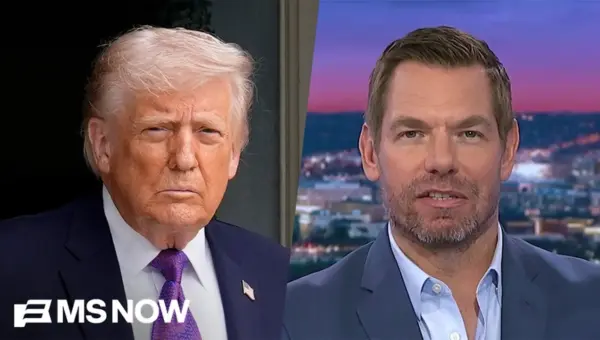
Trump’s Iran War Plans Criticized Amid Border Funding Standoff
Lawmakers and analysts are criticizing the Trump administration's handling of the Iran conflict and its approach to border funding, arguing that a lack of clear planning and a focus on political battles are making the U.S. less safe. Concerns are particularly high regarding the FBI's priorities and the potential impact of these issues on national security.


Iran Conflict Sparks Market Volatility, Experts Weigh In
Geopolitical tensions in the Middle East have rattled global markets, with stocks falling and safe-haven assets like the U.S. dollar strengthening. Experts suggest the market may have overreacted, creating potential buying opportunities, but warn of a "bumpy journey" ahead due to infrastructure damage and potential oil shortages. Concerns also linger about the Federal Reserve's independence amidst political commentary.
DOJ Pays Millions to Ally: Is This Legal?
A $1.2 million payout from the DOJ to Mike Flynn, a former Trump ally, has sparked outrage and questions about legality and oversight. Critics fear a pattern of "grift and corruption," while calls for accountability echo historical precedents.